Greater Nashville Real Estate and Community News

March 5, 2026

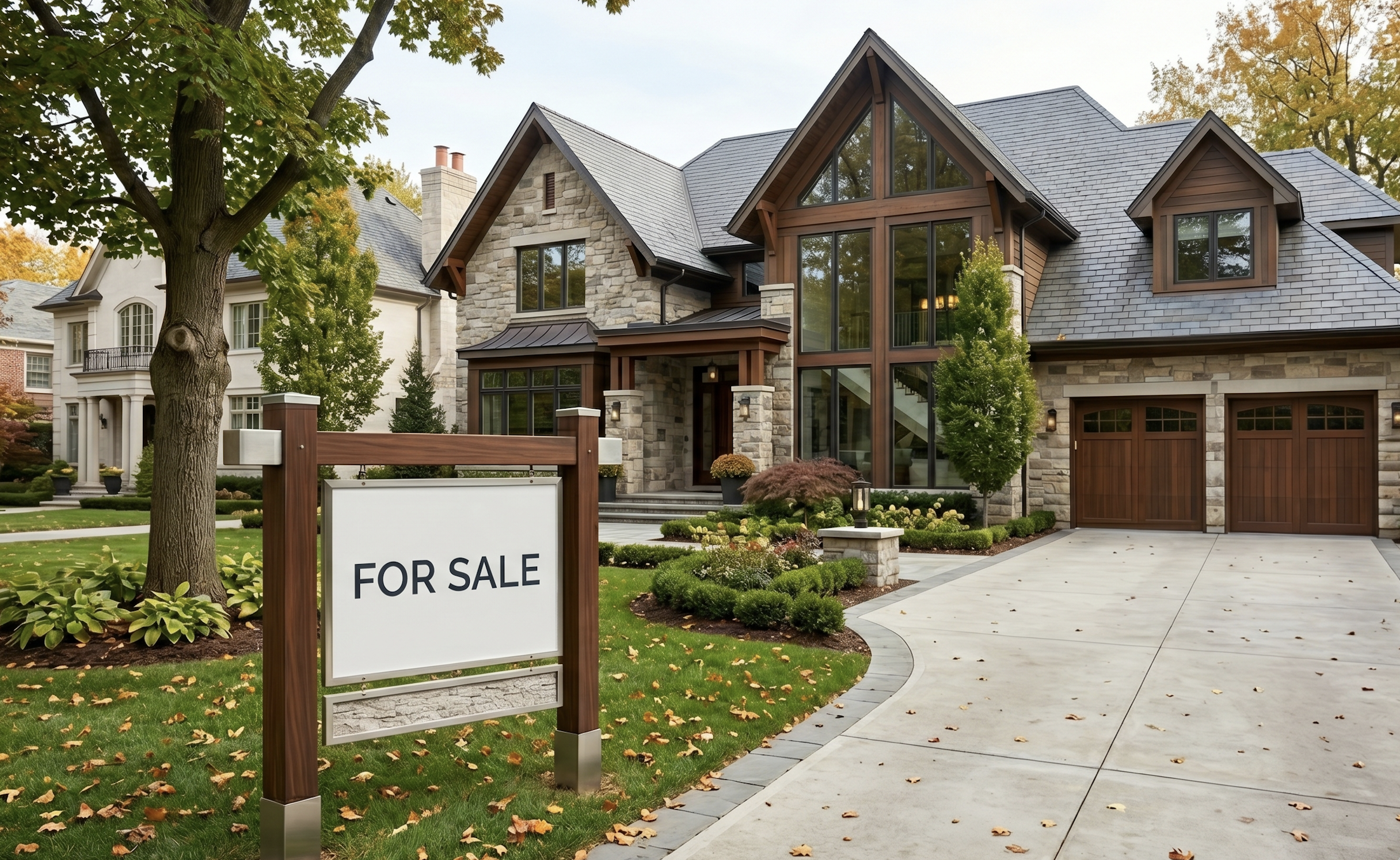
Sell My Home in Nashville, TN: The Ultimate 2026 Guide


If you are looking to sell your home in Nashville in 2026, you have likely noticed that the vibe has changed. The frantic "frenzy" of the past few years—where buyers were waiving inspections and bidding tens of thousands over asking price sight-unseen—has settled down. We are now looking at a more balanced, normalizing market.

For most homeowners in Davidson County, the decision usually comes down to a single dilemma: Speed vs. Price. Do you need to move immediately, or are you looking to squeeze every last dollar of equity out of the property?

You generally have three paths: listing with a professional agent, selling directly to a cash buyer, or trying to handle it yourself (FSBO). With median sale prices currently hovering between $440,000 and $500,000, the stakes are high. This guide will walk you through the numbers, the timeline, and the strategies to make the right move for your situation.

When Is the Best Time to Sell a House in Nashville?

Real estate is seasonal, and Nashville is no exception. While you can sell a home year-round, your listing window can significantly impact your final sale price and how long you sit on the market.

The Sweet Spot: Late Spring If your goal is the highest possible price, target a listing date in May or June. This is when buyer activity peaks as households try to secure homes before the new school year begins. This is especially true in areas with highly-rated school districts like those found in parts of Williamson County or suburbs like Hendersonville.

The Fastest Sale: May Data consistently shows that homes listed in May tend to have the lowest Days on Market (DOM). Currently, the average time to go from "Active" to "Pending" is hovering around 56 to 62 days. If you list in the spring, you might beat that average; if you list in the winter, expect it to take longer.

The Slow Season: December and January Unless you absolutely have to sell, avoid the holidays. Between the colder weather and holiday travel, inventory sits longer, and buyers are scarce.

Current Market Trend It is important to note that inventory is rising in 2026. Buyers have more options now than they did two years ago, which means competition for sellers is stiffer. You can't just put a sign in the yard and expect a bidding war anymore.

3 Ways to Sell Your Nashville House: Pros, Cons & Costs

There is no "one size fits all" solution for selling a home. The right method depends entirely on your personal timeline and your financial goals. Let's break down the three primary ways homeowners are selling in Middle Tennessee right now.

Option 1: List With a Nashville Real Estate Agent

This is the traditional route and generally the best option if your home is in good condition and you want to maximize your profit.

Best for: Sellers who want the highest market price and aren't in a rush.

The Pros: When you list with an agent, your home hits the MLS (Multiple Listing Service), which feeds to Zillow, Realtor.com, and Redfin. This exposure is critical. An agent also handles professional photography, marketing, and the often-tricky negotiations regarding inspections and appraisals.

The Cons: It takes time. You have to prep the house, leave for showings, and host open houses. You will also pay commission fees, which come out of your proceeds at closing.

The Numbers: Agent-assisted sales typically fetch close to 98% of the list price. While you pay a commission (typically around 5-6% total), the higher sales price often covers this cost and puts more money in your pocket compared to other methods.

Option 2: Sell to Cash Home Buyers in Nashville

You have likely seen the "We Buy Houses" signs or received mailers from investors. This group includes local house flippers and larger, national "iBuyer" companies.

Best for: Distressed properties, inherited homes, divorce situations, or anyone needing to relocate immediately.

The Pros: The biggest advantage is speed and convenience. Cash buyers purchase homes "As-Is," meaning you don't have to paint, repair the roof, or clean the carpets. You can often close in as little as 7 days because they aren't waiting on a bank mortgage approval. There are no open houses and no strangers walking through your living room.

The Cons: You are trading equity for speed. Investors need to make a profit, so their offers will be below full market value.

Legitimacy Check: While many cash buyers are legitimate, always verify who you are dealing with. Check their Google Reviews and Better Business Bureau ratings. A legitimate buyer should be able to provide proof of funds upon request.

Option 3: For Sale By Owner (FSBO)

This is the DIY approach where you handle everything yourself.

Best for: Experienced sellers with plenty of free time and negotiation skills.

The Pros: The main draw is saving the listing agent's commission, which is usually around 3% of the sale price.

The Cons: It is a lot of work. You are responsible for pricing, marketing, legal contracts, and coordinating showings. Without the MLS (unless you pay a flat fee service), your exposure is limited.

The Warning: National statistics suggest that FSBO homes often sell for 10-25% less than agent-listed homes. If you misprice the home or can't negotiate repairs effectively, you might lose more money on the final price than you saved in commission.

Cost of Selling a House in Nashville, TN (2026 Breakdown)

Many sellers focus on the sale price and forget to calculate the "net" proceeds. When you sit down at the closing table, several fees will be deducted from your check. In total, you should estimate that 7-8% of the sale price will go toward selling costs.

Here is what that budget looks like:

  • Real Estate Commissions: This is usually the largest expense, typically totaling 5-6% of the sale price, split between the listing agent and the buyer's agent. Note that following recent industry settlements, buyer agent fees are technically negotiable, but offering them remains a standard way to attract buyers.

  • Tennessee Transfer Tax: Tennessee charges a specific state tax on property transfers. The rate is $0.37 per $100 of value. For example, if you sell your home for $500,000, you will owe $1,850 in transfer tax.

  • Title & Closing Fees: These are fees paid to the title company or attorney handling the transaction, covering the title search and recording fees.

  • Prorated Property Taxes: You are responsible for the property taxes for the portion of the year you owned the home. If you close in June, you pay for January through June.

  • Repairs & Concessions: If the buyer's inspection reveals issues, you may agree to pay for repairs or offer a credit at closing to keep the deal alive.

5 Steps to Prepare Your Nashville Home for Sale

If you decide to list on the market, a little preparation goes a long way. You don't need a full renovation, but you do need to make the home shine.

  1. Declutter and Depersonalize: When buyers walk in, they need to envision their life there, not yours. Pack up personal photos, clear off the countertops, and organize closets. Less is more.

  2. Strategic Repairs: Focus on high-return fixes. Fresh neutral paint, modern light fixtures, and decent curb appeal (cut the grass, plant some flowers) offer a better return on investment than remodeling a kitchen.

  3. Pricing Strategy: This is critical in a balanced market. If you price too high, your home will sit, and buyers will assume something is wrong with it. Use a Comparative Market Analysis (CMA) to look at sold homes in your specific neighborhood—whether that's East Nashville, Germantown, or a quiet cul-de-sac in Donelson.

  4. Professional Photography: Most buyers see your home online before they ever drive by. High-quality, wide-angle photos are essential to drive traffic from Zillow and Redfin.

  5. Compliance: Tennessee has strict property disclosure requirements. You must fill out a disclosure form honestly listing any known defects (like that old roof leak or the HVAC issue). Being transparent upfront prevents lawsuits later.

Frequently Asked Questions

How fast can I sell my house in Nashville?

If you list with an agent on the MLS, the current market average is about 50 to 60 days to get an offer accepted, plus another 30 days to close. However, if you sell to a cash home buyer, you can bypass the listing process and close in as little as 7 to 14 days.

Do I pay taxes when I sell my house in Tennessee?

Tennessee does not have a state income tax on wages, which is a perk. However, you will pay the Tennessee Transfer Tax at closing, which is calculated at $0.37 per $100 of the sale price. You may also owe federal capital gains tax if your profit exceeds the IRS exclusion limits ($250,000 for singles, $500,000 for married couples), but that depends on how long you have lived there.

Can I sell my house as-is in Nashville?

Yes. You can sell "as-is" to a cash buyer without doing any work. You can also list a home "as-is" on the MLS, but you must still provide a property condition disclosure unless you meet specific exemptions (like certain estate sales). Listing "as-is" on the market typically limits your pool of buyers, as regular buyers may be scared off by potential repair costs.

Are companies that buy houses in Nashville legitimate?

Many are legitimate local investors or established national companies. However, you should always vet them. Check their BBB rating, read Google reviews, and ask for proof of funds before signing anything. Always use a reputable title company for the closing—avoid "kitchen table" closings where money changes hands without legal oversight.

What is the average real estate commission in Nashville?

The total commission is typically around 5% to 6% of the final sale price. This fee is usually shared between the listing agent and the buyer's agent. While commissions are negotiable, offering a competitive rate helps ensure agents are motivated to show your home to potential buyers.

March 5, 2026

Living in Antioch, Nashville: The 2026 Relocation Guide


If you have been obsessively refreshing real estate apps looking for a home in Davidson County under $400,000, you have undoubtedly landed on Antioch. It is often called the "Affordability Capital" of Nashville, and for good reason. While prices in the urban core have skyrocketed, this pocket of Southeast Nashville remains one of the few places where first-time buyers can still find significant square footage and a two-car garage without moving two counties away.

But let’s get the geography straight before we dive in. This is Southeast Nashville—specifically Zip Code 37013—not to be confused with the hipster haven of East Nashville across the river. Antioch is a massive area that has seen a lot of changes over the last three decades.

We are currently witnessing a tale of two Antiochs. There is the "Old Antioch," defined by the struggling retail era of the early 2000s, and the "New Antioch," characterized by the massive Century Farms development, corporate headquarters, and a surge of modern construction. If you are looking to balance a budget with future appreciation, this neighborhood needs to be on your radar.


Where is Antioch? Geography & Commute

Antioch sits firmly along the I-24 corridor, southeast of the city center and just south of Nashville International Airport (BNA). Because the area is so large, "living in Antioch" can mean being right off a busy commercial pike or tucked away in a quiet subdivision near the county line.

Let's talk about the commute, because this is usually the first question buyers ask. Physically, you are only about 10 to 12 miles from downtown Nashville. On a Sunday morning, that is a breezy 15-minute drive. However, I-24 is notorious for being one of the most congested routes in the metro area. During peak rush hour, you should plan for that 20-minute drive to stretch into 45 minutes or more.

The main arteries here are Bell Road, Murfreesboro Pike, and Cane Ridge Road. Learning the back roads is a rite of passage for locals trying to dodge interstate traffic. On the flip side, if your job involves travel, the location is unbeatable; you can get from your driveway to the BNA terminal in 10 to 15 minutes from most parts of the neighborhood.


The Elephant in the Room: Is Antioch Safe?

If you type "Antioch TN" into a search bar, you are going to see questions about safety. It’s the elephant in the room, so let’s address it objectively. The area developed a tough reputation in the late 1990s and 2000s following the decline of the regional mall, and that stigma has lingered online longer than the reality on the ground warrants.

Nuance is critical here. Zip code 37013 is geographically huge and holds the highest population density in the county. Crime statistics tend to be higher in the dense commercial corridors and older apartment complexes near the mall. However, the story changes significantly when you move into the single-family subdivisions in the Cane Ridge area or the neighborhoods bordering Percy Priest Lake.

The trend line is also shifting. With the 2024 and 2025 drops in metro-wide crime rates and heavy investment in community revitalization, the area is stabilizing. Smart buyers don't write off the whole zip code; instead, they look at specific pockets. Checking recent crime mapping data for specific streets will give you a much clearer picture than relying on outdated forum posts.


Real Estate: What You Get for Your Money

This is the section where Antioch truly shines. When you compare median home prices here against the greater Nashville Metro average, the gap is striking. While a starter home in other suburbs might push $450,000 or $500,000, Antioch offers robust inventory in the $300,000s and $350,000s.

The housing stock is a mix of eras. You will find plenty of 1980s brick ranches and 1990s split-level homes that offer great bones for renovation. However, there has been a massive surge in new construction recently. Builders have flocked to the area to put up modern townhomes and single-family subdivisions to meet the demand from workers priced out of the city.

If you are looking for the "premium" side of the zip code, ask your agent about Cane Ridge. While technically part of Antioch, locals often refer to it separately. It features newer builds, hillier terrain, and a slightly different market feel. For those not ready to buy, the rental market is robust, with a high density of apartment options concentrated near Bell Road.


The Resurgence: Century Farms & The Global Mall

If you want to know if a neighborhood is on the upswing, follow the commercial money. In Antioch, that money is flowing into Century Farms. This 300+ acre mixed-use development has been a total game-changer for Southeast Nashville. It is home to the Tanger Outlets, which opened in late 2023, the Nashville SC headquarters, and the upcoming corporate hub for In-N-Out Burger.

The momentum is continuing into 2026. Plans were recently filed for a new Target in the area, and recreational heavy hitters like Tiger Woods’ PopStroke are eyeing the corridor. This level of corporate investment usually signals long-term confidence in the area's growth.

Then there is the former Hickory Hollow Mall, now rebranded as the Global Mall at the Crossings. It is not a "dead mall" in the traditional sense; the city purchased it to create a community anchor. It currently houses the Ford Ice Center (where the Nashville Predators practice), a library, and a Nashville State Community College campus. The Master Plan adopted in 2024 aims to transform the rest of the site into a transit and arts village, further pushing the revitalization narrative.


Lifestyle: Food, Parks, and Culture

Living here isn't just about commuting and property values; the lifestyle has a distinct flavor. Antioch is arguably the most culturally diverse neighborhood in Nashville, and that shows up in the food scene. You can spend weeks eating your way down Murfreesboro Pike, sampling authentic Middle Eastern cuisine, Mexican street tacos, and incredible Soul Food.

For outdoor enthusiasts, the proximity to Percy Priest Lake is a major perk. You are minutes away from the Anderson Road recreation area for swimming, boating, and fishing. It’s a massive lifestyle benefit that residents in landlocked suburbs don't get.

We also have to mention Mill Ridge Park. This isn't just a small playground; it’s a massive 622-acre park that has become a community centerpiece with hiking trails and seasonal events. For shopping, you have the convenience of the new Tanger Outlets for clothes and easy access to the IKEA in South Nashville for furnishing that new home.


Pros and Cons of Living in Antioch

If you are weighing your options, here is the quick breakdown of what to expect.

Pros:

  • Unbeatable Affordability: You get more house for your money here than almost anywhere else in Davidson County.
  • New Amenities: Access to Tanger Outlets, Century Farms, and the Ford Ice Center.
  • Location: incredible proximity to the airport and Percy Priest Lake.
  • Diversity: A vibrant mix of cultures and cuisines.

Cons:

  • Traffic: The I-24 commute can be a daily headache during rush hour.
  • Reputation: You may still encounter outdated perceptions about the area from long-time locals.
  • Schools: Ratings vary widely, so you need to check the specific MNPS zone for any home you are considering.


Frequently Asked Questions

Is Antioch considered East Nashville?

No, they are distinct areas. East Nashville is located directly across the Cumberland River from downtown and is known for its historic homes and artsy vibe. Antioch is in Southeast Nashville (Zip 37013), located further south along I-24.

How far is Antioch from downtown Nashville?

Antioch is approximately 12 miles from downtown. Without traffic, it is a 20-minute drive. However, during peak rush hour, you should plan for 45 minutes or more due to heavy congestion on I-24.

What happened to the Hickory Hollow Mall in Antioch?

The mall has been rebranded as the Global Mall at the Crossings. It is no longer a traditional shopping mall but has been redeveloped into a civic hub that includes a library, the Ford Ice Center, and a community college campus, with further redevelopment planned by the city.

Is Cane Ridge the same as Antioch?

Cane Ridge is a specific sub-area located within the Antioch 37013 zip code. It is generally known for having newer housing stock and a more suburban, hilly feel compared to the commercial corridors of central Antioch.

March 5, 2026

Living in Madison, Nashville, TN: The Affordable Alternative


If you have been watching the Nashville housing market lately, you know that finding a deal near the city center feels nearly impossible. For years, East Nashville was the go-to spot for creatives and first-time buyers, but as prices there have skyrocketed, eyes have turned north. Enter Madison, Tennessee.

Madison is currently one of the most talked-about areas in Davidson County. It is a place with a distinct mix of 1950s suburban charm and gritty commercial corridors. It is currently in that "transitional" phase—you will see trendy coffee shops opening up down the street from auto repair shops that have been there for forty years.

Before we dive in, let’s clear up a common confusion: We are talking about the 37115 zip code. This is a neighborhood within Nashville city limits, not the city of Madison, Alabama, or Madison, Wisconsin. If you are looking for the "next East Nashville" that still has room to grow, this is likely where your search will lead.


Location & Commute: Is Madison Close to Downtown Nashville?

One of the biggest selling points for living in Madison is that you are physically close to the action without being right in the middle of the tourist chaos. Generally speaking, Madison sits about eight to ten miles north of Downtown Nashville.

If you are commuting to the central business district, the drive usually takes about 15 to 20 minutes without heavy traffic. However, during peak rush hour, you should plan for that drive to stretch closer to 35 or 45 minutes. The great news for locals is that you have options. While I-65 is the main interstate, most savvy residents use Ellington Parkway. It is something of a "local secret"—a highway that mirrors I-65 but often has lighter traffic and dumps you right into East Nashville or downtown.

For those who travel often, getting to the airport is relatively painless. You can hop on Briley Parkway and reach Nashville International Airport (BNA) in about 15 to 20 minutes. If you prefer public transit, the WeGo bus system runs heavily along Gallatin Pike, which is the main artery running through the neighborhood, offering frequent service into the city.


Madison TN Real Estate: Market Trends & Housing Styles

If you have been priced out of areas closer to the urban core, Madison is likely on your radar for one reason: affordability. It remains one of the last pockets in Davidson County where you can find a single-family home on a decent-sized lot for a reasonable price.

The Numbers and The Look

To give you a rough idea of the market, median home prices here often hover around the $370,000 to $380,000 range. Compare that to East Nashville, where similar homes can easily command over $600,000, and you see why the area is growing. The housing stock is predominantly mid-century. You will see street after street of brick ranch-style homes built in the 1950s and 60s, usually sitting on quarter-acre or half-acre lots. However, as interest in the area grows, developers are bringing in "tall and skinny" infill homes, replacing older cottages with modern two-story builds.

Madison Landing & Riverfront Living

We often get questions from buyers searching for "Madison Landing." It is worth noting that this specific search term often pulls up apartment communities in Madison, Alabama. However, if you are looking for that river lifestyle here in Nashville, Madison, TN has incredible options. The area is bordered by the Cumberland River. Parts of the neighborhood, specifically Neely's Bend, offer semi-rural, scenic riverfront properties that feel miles away from the city.

Renting vs. Buying

If you aren't ready to buy, the rental market is active but climbing. You can expect median rents to sit around $2,100 per month for a single-family home. There are also plenty of apartment options, ranging from older, affordable complexes off Old Hickory Boulevard to newer developments like The Burnham that offer modern amenities.


Is Madison TN Safe? Crime Rates & Neighborhood Nuance

This is the most common question I get asked, and it deserves an honest, nuanced answer. If you look strictly at the data, Madison generally falls into the C or D range on crime maps, with reported crime rates higher than the national average. However, painting the whole zip code with one brush doesn't tell the full story.

The crime in Madison tends to be concentrated in "hot spots," specifically along the commercial thoroughfares of Gallatin Pike and near the Rivergate Mall area. These areas see higher reports of property crime and theft.

Conversely, once you turn off the main roads and head into the residential pockets—especially deep into Neely’s Bend or the streets bordering Hendersonville—the atmosphere changes significantly. These are often quiet, established neighborhoods where neighbors know each other. Like living in any transitional urban area, standard precautions apply: lock your car doors, install a security system, and get to know your neighbors.


Lifestyle: Shopping, Parks, and Things to Do

Madison has a reputation for being a bit industrial, but that is changing fast. The neighborhood is developing a unique culture that blends its musical history with new entertainment options.

Entertainment and Dining

The crown jewel of the recent revitalization is undoubtedly Eastside Bowl. It is much more than a bowling alley; it is a retro-styled diner, a lounge, and a serious music venue that attracts major touring acts. It has become a community hub. For day-to-day needs, the Rivergate area is the commercial engine, hosting the Rivergate Mall and big-box stores. For groceries, you have all the standard chains, plus local gems like Garden Fresh Market for produce.

Nature and Outdoors

One of the best-kept secrets here is Peeler Park. Located at the very end of Neely's Bend along the river, it features a long greenway, a remote airfield for model planes, and plenty of open space. It is quiet, rarely crowded, and offers a true escape into nature. Cedar Hill Park is another massive green space nearby offering sports fields and playgrounds.

A Note on History

Madison has deep roots in Nashville's music scene. It was home to many country music legends, including Johnny Cash. You can still visit the historic Amqui Station, a preserved passenger train station that Cash once owned and saved from demolition.


Schools & Education in Madison

When looking at homes for sale in Madison, understanding the school landscape is important. The area falls under Metro Nashville Public Schools (MNPS).

Most of the neighborhood is zoned for the Hunters Lane cluster. It is no secret that public school ratings here can be mixed compared to neighboring Williamson County or Sumner County. Many residents suggest looking closely at the specific performance data for each school and visiting them in person to get a feel for the administration and culture.

For those seeking private education, Goodpasture Christian School is a major draw. Located right within the neighborhood, it is a large K-12 private institution that attracts students from all over North Nashville. Additionally, the area is close to several higher education satellite campuses, making it convenient for continuing education.


Pros and Cons of Living in Madison

If you are weighing your options, here is a quick snapshot of the trade-offs.

Pros:

  • Affordability: You get much more house and land for your money compared to the urban core.
  • Commute: Ellington Parkway makes getting to downtown surprisingly easy.
  • Lot Size: Most homes come with large, mature yards, unlike the tiny lots in new subdivisions.
  • Investment Potential: With the way Nashville is expanding, property values here have shown consistent growth.

Cons:

  • Traffic: Gallatin Pike can be a headache, and it is not the most pedestrian-friendly road.
  • Crime Stats: Property crime rates in commercial areas are higher than in outer suburbs.
  • Schools: Public school ratings vary, leading many residents to opt for private options or charter schools.


FAQ: Common Questions About Madison, TN

Is Madison TN considered part of Nashville?

Yes. Madison is a suburban neighborhood located entirely within the city limits of Nashville and Davidson County. It is not a separate municipality, so residents vote in Nashville metro elections and pay Davidson County taxes.

How far is Madison TN from the Nashville Airport?

Madison is very convenient to the airport. Depending on where you live in the neighborhood, it is roughly a 15 to 20-minute drive to Nashville International Airport (BNA) via Briley Parkway, avoiding the downtown interstate congestion.

What is the crime rate in Madison vs East Nashville?

Generally, Madison and East Nashville share similar crime profiles, with higher stats near commercial corridors and lower stats in residential pockets. However, because Madison is less dense than East Nashville, some buyers feel the "quiet" streets in Madison offer a more secluded feel, though statistically, both are urban environments.

What is Madison known for?

Historically, Madison is known as a hub for country music stars in the mid-20th century. Today, it is known as the affordable, rising alternative to East Nashville, famous for its mid-century brick ranch homes, the Rivergate shopping district, and the newly popular Eastside Bowl.

March 5, 2026

Living in Hermitage, Nashville, TN: A Local's Guide


If you are looking for a spot in Nashville that balances affordability with accessibility, Hermitage is likely on your radar. It sits in a sweet spot for homebuyers who want a yard and a garage without paying the premiums you see in neighborhoods closer to the city center.

Before we dive into the housing market and commute times, let’s clear up the biggest source of confusion for newcomers. When locals say "Hermitage," they could be talking about three very different things.

First, there is The Hermitage, which is the historic home of President Andrew Jackson. Second, there is The Hermitage Hotel, which is a luxury five-star hotel located in Downtown Nashville - about 13 miles away from here. Finally, there is the Hermitage neighborhood, the residential community in eastern Davidson County bordered by Percy Priest Lake and the Cumberland River.

This guide is 100% about the neighborhood - where you might actually live, buy groceries, and send your kids to school.


Location & Commuting: The Strategic Advantage

One of the main reasons people choose Hermitage is the logistics. It is located roughly 13 miles east of Downtown Nashville. On a clear day with no traffic, you can drive from your driveway to Broadway in about 20 to 25 minutes.

However, we have to be real about I-40. During rush hour, that 20-minute drive can easily turn into 45 minutes or more. The interstate traffic heading west in the morning and east in the evening is heavy. If you plan to drive daily, you will want to get comfortable with podcasts or audiobooks.

That brings us to the neighborhood’s secret weapon: the WeGo Star. Hermitage has its own station for this commuter train. If you work downtown near the riverfront, you can skip the I-40 gridlock entirely. You park at the Hermitage station, hop on the train, and get to Riverfront Station in about 30 minutes. It is a massive stress reliever for daily commuters.

For frequent flyers, the location is hard to beat. You are extremely close to Nashville International Airport (BNA). Depending on where you live in the neighborhood, you can get to the terminal in about 15 minutes, usually avoiding the worst of the city traffic.


Hermitage Real Estate Market (2026 Trends)

If you have been browsing homes for sale in Nashville and feeling discouraged by the prices, Hermitage offers a refreshing change of pace. It remains one of the last affordable suburbs within Davidson County limits.

As we look at the market data from early 2026, the median sold price for a home here sits roughly between $375,000 and $400,000. When you compare that to the median prices in trendy areas like The Nations or 12 South, the value proposition is obvious. You simply get more square footage for your dollar here.

The housing stock is a mix. You will see a lot of brick ranch-style homes and split-levels from the 1970s and 1980s. These often come with decent-sized yards and mature trees. Recently, there has been a surge in new construction, primarily in the form of townhome communities and smaller subdivisions.

For those not ready to buy, the rental market is robust. You can find everything from large apartment complexes to single-family rental homes. A typical rental house generally falls in the $1,400 to $2,000 per month range, depending on updates and square footage.


Is Hermitage Safe? Understanding the Crime Rates

Safety is a top priority for anyone moving to a new area. Because Hermitage is a geographically large neighborhood, the "vibe" can change from one subdivision to the next. It is difficult to paint the whole area with a single brush.

Objectively, violent crime rates in Hermitage are generally lower than in inner-city Nashville neighborhoods. However, they are typically higher than in the more rural, outlying counties like Wilson County (Mt. Juliet). It is a suburban environment that still has some urban characteristics.

Property crime is the most common issue reported, specifically car break-ins. This is a standard issue across almost all of Metro Nashville. The best approach is to look at street-level data. Before signing a lease or a contract, check resources like SpotCrime or CrimeGrade for the specific street you are interested in.


Schools & Education in Hermitage

Residents in Hermitage are zoned for Metro Nashville Public Schools (MNPS). It is part of the McGavock cluster, which is one of the larger clusters in the county.

  • Elementary: Dodson Elementary is frequently cited by parents and online ratings as a standout option in this area. Other local schools include Ruby Major Elementary and Tulip Grove Elementary.
  • Middle & High: Most students feed into DuPont Tyler Middle School and eventually McGavock High School.

If you are exploring private education, Donelson Christian Academy (DCA) is a popular choice located nearby. It serves students from preschool through 12th grade and draws many families from both the Hermitage and Donelson areas.


Lifestyle: Lakes, History, and Recreation

Life here is a bit slower than in the city, and that is usually by design. The biggest lifestyle perk is undoubtedly Percy Priest Lake. While other neighborhoods have parks, Hermitage has actual water access.

You have easy access to boat ramps, fishing spots, and the Anderson Road recreation area, which features a sandy swimming beach. For a full day of entertainment, Nashville Shores Waterpark is right here on the lake, offering slides and a massive wave pool.

If you prefer land over water, the history aspect is significant. The grounds of Andrew Jackson’s The Hermitage cover over 1,000 acres. Even if you aren't a history buff, the property offers a "Hermitage membership" that allows locals to use the trails for walking and hiking. It is a beautiful, preserved green space right in your backyard.

For cyclists and runners, the Stones River Greenway is a major asset. It connects to the Shelby Bottoms Greenway, meaning you can technically ride a bike all the way to East Nashville if you have the stamina.

When it comes to dining, Lebanon Pike is the main commercial corridor. It is heavy on chain restaurants and big-box retail, but there are local gems if you look for them. Nadeen's Hermitage Haven is a local favorite for comfort food, and Gondola House offers great pizza and pasta.


Pros and Cons of Living in Hermitage

Here is a quick breakdown to help you weigh your options.

Pros:

  • Affordability: Significantly cheaper than Nashville proper.

  • WeGo Star: Commuter train access to downtown.

  • Lake Access: Minutes from Percy Priest Lake.

  • Airport: Very close to BNA for travelers.

Cons:

  • Traffic: I-40 is a major bottleneck during rush hour.

  • Walkability: You will need a car; it is not pedestrian-friendly.

  • Nightlife: Very quiet; you'll go to the city for big nights out.

  • Schools: Ratings vary widely; requires research.


FAQ: Common Questions About Hermitage

Is Hermitage TN a city or neighborhood?

Hermitage is a neighborhood, not an independent city. It is part of Metropolitan Nashville and Davidson County, meaning it shares the same mayor, police force, and school district as the rest of Nashville.

How far is Hermitage from Downtown Nashville?

It is approximately 13 miles east of downtown. In light traffic, that is a 20-minute drive, but you should plan for 30 to 45 minutes during peak commuting hours.

What is the difference between Hermitage and The Hermitage Hotel?

This is a common mix-up. "Hermitage" is the residential neighborhood where people live. "The Hermitage Hotel" is a historic, luxury hotel located on Union Street in downtown Nashville—they are two completely different places.

Is Hermitage a good place to buy a house?

For buyers prioritizing value, yes. The price-per-square-foot is generally lower here than in neighborhoods west of the airport, making it a strong option for getting more home for your money while staying in Davidson County.

March 5, 2026

Donelson Nashville: The "Hip" Suburb with Mid-Century Charm


If you’ve been keeping an eye on the Nashville market, you’ve probably heard the buzz about Donelson. For years, people called it the "next East Nashville," but frankly, that description doesn't do it justice. Donelson has developed its own distinct retro swagger.

Located about 6 to 8 miles east of downtown—tucked nicely between the Cumberland River and Hermitage—this area (Zip 37214) is famous for its rolling hills, massive lawns, and 1950s brick ranch homes. It has a tight-knit community feel that has earned it the nickname "Hip Donelson" among locals.

For many buyers, this neighborhood represents the sweet spot. You get legitimate city access and creative vibes without the eye-watering $800,000 price tag found just across the river. If you are looking for mid-century charm and practical convenience, this might be your place.


Is Donelson Part of East Nashville?

This is the most common question I get from people relocating to the area. The short answer is: geographically, yes, it is east of the city. But culturally and real-estate-wise, it is its own separate enclave.

Donelson is distinct from the specific neighborhood branded as "East Nashville." While East Nashville is known for density, high walkability, and a bustling nightlife district, Donelson offers a quieter, more suburban pace. You generally need a car here, but you get a lot more breathing room in return.

The biggest difference, however, is the price point. While East Nashville home prices have skyrocketed, often starting around $800,000 for updated homes, Donelson remains much more approachable. With median prices hovering between $416,000 and $474,000 in the 2025/2026 market, that ~$400,000 difference is a massive selling point. You get a similar creative energy, but your mortgage payment looks very different.


Donelson Real Estate: Ranches, Renovations, and Value

When you drive through the winding streets here, one thing stands out: the brick ranch. This is the dominant architectural style of the 37214 zip code. Unlike the tall-and-skinny new builds taking over other parts of the city, homes in Donelson usually sit on generous half-acre lots.

There are several distinct pockets worth knowing. "Donelson Hills" features winding roads and slightly larger, statelier homes that feel very established. Then there is "Bluefields," a neighborhood beloved for its historic stone cottages and incredible charm, though it sits closer to the flight paths.

The market here is balanced but competitive. Because the median price per square foot is around $245—compared to the Nashville average of roughly $307—value hunters are active. Turnkey, renovated ranches tend to fly off the market in under 45 days. However, if you are willing to put in some work, fixer-uppers tend to sit a bit longer, offering a great opportunity to build equity.

If you are browsing homes for sale in Donelson, keep an eye out for those "good bones" properties that just need a cosmetic refresh.


Living Near BNA: The Airport Factor

Let’s have an honest conversation about the elephant in the room (or rather, the plane in the sky). Donelson borders Nashville International Airport (BNA).

The Pros: If you are a consultant, sales rep, or just a frequent traveler, living here is a dream. You can call an Uber and be at your gate in 10 minutes flat. With the "BNA Vision" expansion bringing more jobs and infrastructure to the area, the economic benefits are real.

The Cons: You will hear airplanes. The noise level depends heavily on where exactly the house is located relative to the North-South runways. Some pockets, like parts of Bluefields, experience more direct overhead traffic than others.

The Reality: Most residents will tell you that after a few weeks, they simply "tune it out." However, it is smart to check noise exposure maps before buying. The good news is that many homes in the flight path have been retrofitted with newer windows and insulation that mitigate the sound significantly.


Commuting from Donelson: The WeGo Star Advantage

One of the best-kept secrets of living in Donelson is the train. Donelson has its own station on the WeGo Star (formerly the Music City Star) line.

For downtown commuters, this is a game-changer. Instead of fighting bumper-to-bumper traffic, you can take a relaxing 19-minute ride from the Donelson station straight to Riverfront Station at the foot of Broadway. It’s stress-free and reliable.

If you are driving, you have easy access to Lebanon Pike and I-40. Getting to the Gulch or Broadway usually takes about 15 to 20 minutes during non-rush hours. However, be aware that the interchange at Briley Parkway can get backed up during peak times.


Safety in Donelson: Facts vs. Perception

When people look at living in Donelson, safety is naturally a top priority. Generally speaking, the vibe here is much quieter and feels more secure than the high-traffic tourist areas downtown.

Statistically, the primary issue here—like many Nashville suburbs—is property crime, specifically car break-ins. This tends to happen more frequently in apartment complexes or areas directly adjacent to the busy commercial corridor of Lebanon Pike. The residential pockets, particularly in North Donelson, generally feel very quiet.

Community involvement is huge here. The "Hip Donelson" Facebook group acts as a massive digital neighborhood watch. While social media can sometimes amplify concerns, it also proves that neighbors here look out for one another.


Lifestyle & Amenities: Where to Eat and Play

Donelson isn't just a place to sleep; it has developed a fantastic local scene that keeps residents in the zip code on weekends.

The Dining Scene The crown jewel of the neighborhood is arguably Nectar Urban Cantina. It’s more than a taco shop; with its large outdoor yard and fire pits, it serves as a community hub. For live music and a pint, McNamara’s Irish Pub is a local legend. If you want something healthier, Sunflower Bakehouse offers incredible vegan options, and Caliber Coffee is the go-to spot for remote workers.

The Great Outdoors If you love green space, you’ll love it here. The Stones River Greenway offers miles of paved trails that connect all the way to the Shelby Bottoms Greenway in East Nashville—perfect for cyclists and runners. Two Rivers Park is another massive asset, featuring a golf course, a skate park, and the Wave Country wave pool.

Shopping & Entertainment You also have Opry Mills, Tennessee’s largest outlet mall, right in your backyard. While locals might avoid the tourist crowds on weekends, it’s incredibly convenient for shopping. Plus, the Grand Ole Opry is right next door, keeping the area rooted in music history. On Fridays, the Donelson Farmers Market is a great spot to grab local produce.


Summary: Pros and Cons of Living in Donelson

If you are weighing your options, here is the quick breakdown:

Pros:

  • Affordable mid-century homes on large lots.
  • Access to the WeGo Star commuter train.
  • Strong local food scene and community vibe.
  • Incredible access to Greenways and Percy Priest Lake.

Cons:

  • Airport noise (highly dependent on specific street).
  • Traffic congestion on Lebanon Pike.
  • Older homes may require updates or repairs.


Frequently Asked Questions

Is Donelson considered part of Nashville?

Yes. Donelson is fully within the limits of Metro Nashville and Davidson County. It operates under the same unified metropolitan government, police, and fire services as downtown Nashville.

How far is Donelson from Downtown Nashville?

Donelson is located approximately 6 to 8 miles east of downtown. Depending on traffic, it is usually a 15 to 20-minute drive, or a predictable 19-minute ride on the WeGo Star train.

Is the airport noise bad in Donelson?

It is a reality of the neighborhood. Because BNA is right next door, you will hear air traffic, especially in areas aligned with the runways. However, many residents feel the convenience of the location and the lower home prices make the noise a worthwhile trade-off.

What is the difference between Donelson and Hermitage?

Think of them as rings moving outward from the city. Donelson is the "inner ring"—closer to town, slightly more expensive, and has a trendier, "hippier" vibe. Hermitage is the "middle ring" just further east—it is generally more affordable and quieter, but adds another 10-15 minutes to your commute.

March 5, 2026

Bellevue, Nashville: Where Nature Meets the Suburbs


If you are looking for a spot in Nashville that feels like a small town but still carries a 615 area code, Bellevue is likely on your radar. Located about 13 miles southwest of Downtown Nashville in zip code 37221, this neighborhood has quietly become one of the most desirable areas for people who want a little more breathing room.

It is important to clarify right off the bat: Bellevue is legally part of Nashville (Metro Davidson County). It isn’t a separate city, so you are still voting in Metro elections and paying Metro taxes. However, it retains a distinct identity. Locals often call it the "Gateway to the Warner Parks," and for good reason. It sits right at the edge of the city’s most expansive green spaces, offering a lifestyle that balances convenience with serious outdoor access.

In recent years, the area has undergone a massive revitalization, largely driven by the One Bellevue Place development. If you looked at this area ten years ago, you might not recognize it today. It has transformed from a sleepy commuter suburb into a self-contained community where you can find everything from hiking trails to high-end movie theaters without ever hopping on the interstate.


What is it Like Living in Bellevue?

The vibe here is decidedly laid-back and unpretentious. While areas like East Nashville or the Gulch are known for their nightlife and "scene," Bellevue is where you go when you want a quiet patio, a yard, and easy access to a trail run. It attracts a diverse mix of residents, from young professionals buying their first homes to retirees who have lived in the area for decades.

Because it is located on the fringe of the city, the density is much lower here than in the urban core. You won't find high-rises blocking the sun; instead, you will find rolling hills and tree-lined streets. Generally, the area is considered a quiet, residential sector of Davidson County. It feels removed from the hustle, which is exactly why people move here.

Noise levels are generally low, focused on privacy and green space, though if you live immediately adjacent to I-40 or the busy Highway 70S corridor, you will naturally hear the morning commute. Step a few blocks back, however, and the soundtrack shifts to birds and wind in the trees.


Bellevue Real Estate Market Trends

When you look at the numbers, Bellevue occupies a "middle ground" in the Nashville real estate market. It is generally more expensive than areas like Antioch or Madison, but it offers significantly more square footage for the money compared to affluent neighbors like Green Hills or Belle Meade.

The housing stock here is a fascinating mix. You will find plenty of established subdivisions filled with brick ranch and traditional homes built in the 1970s through the 1990s. These often come with large, established lots and mature trees. On the flip side, the revitalization has brought a surge of new construction, specifically modern townhomes and luxury apartments near the retail hubs.

If you are looking at homes for sale in Bellevue Nashville, pricing has shifted over the last few years. As of early 2026, you can typically expect single-family homes to land in the mid-$400,000s to mid-$500,000s range. Of course, larger homes with views or extensive renovations will push higher. If you aren't ready to buy, the rental market is robust, with median rents hovering around $2,150 per month, largely due to the high density of apartment complexes along Highway 70S.


Shopping & Entertainment: The One Bellevue Place Era

You can't talk about this neighborhood without discussing One Bellevue Place. For years, the old Bellevue Center Mall sat empty, a sore spot for locals. That site was demolished and completely reimagined as an open-air lifestyle center that has become the heartbeat of the community.

Residents no longer need to drive to West End or Brentwood for major errands. The development is anchored by heavy hitters like HomeGoods, Michaels, Burlington, and a Sprouts Farmers Market for groceries.

On the entertainment front, it features an AMC Theatre with those reclining seats everyone loves, and the Ford Ice Center. This is a major draw - it serves as a practice facility for the Nashville Predators and offers public skating and hockey leagues.

Dining options have also expanded significantly. You have local favorites like HoneyFire BBQ and DeSano Pizza sitting alongside convenient chains like Chili's and Chick-fil-A. It’s a walkable, energetic hub that has given the area a true "downtown" feel.

Community Centers, Gyms, and Pools

If staying active is a priority, you have excellent options here, though it is helpful to know the difference between the two main facilities.

  • Bellevue Regional Community Center: This is a stunning, LEED-certified facility located near the Red Caboose Park. It features a full fitness center, indoor and outdoor tracks, and even a pottery studio. However, note that there is no pool here.
  • Bellevue Family YMCA: If you are looking for swimming, this is your spot. Located nearby, it features indoor and outdoor pools, plus extensive youth sports programs.
  • Apartment Amenities: If you are renting, many of the large complexes like The Crossings or Cortland have their own private pools and gyms, which is a nice perk during the humid Tennessee summers.


Parks and Recreation: The "Gateway to Nature"

This is the number one reason people choose living in Bellevue TN. You are essentially living in a park.

The crown jewels are Edwin Warner Park and Percy Warner Park. Together, they offer over 3,000 acres of hiking, biking, and equestrian trails. Whether you want a paved loop for a stroller or a rugged dirt trail for a long hike, it is right in your backyard.

Water lovers enjoy the Harpeth River, which winds through the area. It is incredibly popular for canoeing, kayaking, and fishing, with several access points nearby. You are also close to the Harpeth River State Park system if you want to venture slightly further out.

For a relaxed afternoon, Red Caboose Park is a local icon. It features a historic train caboose, a massive playground that was recently renovated, and an amphitheater that hosts summer concerts and community events.

Finally, the northern terminus of the Natchez Trace Parkway starts here. This famous scenic drive is perfect for road cycling or just a beautiful Sunday drive without a single stoplight for miles.


Schools in Bellevue

The educational landscape in Bellevue has seen a major upgrade recently. The headline news is James Lawson High School.

Opened in 2023 to replace the aging Hillwood High, Lawson High is a state-of-the-art facility. It was designed with LEED Gold standards and features modern athletic facilities and technology-rich classrooms. It sits on a hilltop overlooking the community and represents a significant investment in the area's future.

For younger students, the area is served by schools such as Gower Elementary, Harpeth Valley Elementary, and Bellevue Middle.

If you are considering private education, the location is strategic. You are a short drive from several prestigious private schools, including Ensworth (which has a campus nearby) and Nashville Christian School.


Commuting from Bellevue to Downtown Nashville

Let's talk about the commute, because it is a daily reality. Most residents work in downtown Nashville, Vanderbilt, or Brentwood.

Your primary route to the city is Interstate 40. Without traffic, you can zip into downtown in about 20 minutes. However, during rush hour, I-40 Eastbound in the morning and Westbound in the evening can get heavy. You should plan for a 35 to 55-minute drive during peak times.

A great local secret is Highway 70S. While it has stoplights, it is a scenic, direct route into the city that often serves as a lower-stress alternative when the interstate is jammed.

For public transit, WeGo Public Transit offers Park & Ride options from the retail areas, allowing you to catch a bus into the city and skip the parking fees.


Pros and Cons of Living in Bellevue

Here is a quick snapshot to help you weigh your options:

Pros:

  • Unbeatable access to nature (Warner Parks, Harpeth River).
  • You get more house for your money compared to the city center.
  • One Bellevue Place provides huge convenience for shopping and dining.
  • A distinct, established community feel that isn't transient.

Cons:

  • I-40 traffic can be unpredictable and heavy.
  • It is further away from the trendy nightlife of East Nashville or Germantown.
  • Walkability is limited; outside of the main retail hub, you will need a car.


Frequently Asked Questions

Is Bellevue Nashville safe?

Bellevue is widely considered a quiet, suburban residential area. It has a much lower density than downtown neighborhoods, and the atmosphere is generally focused on established subdivisions and community spaces rather than nightlife.

How far is Bellevue from Downtown Nashville?

Bellevue is approximately 13 miles from downtown. On a clear run, it takes about 20 to 25 minutes to drive, though rush hour traffic will increase that time significantly.

Does Bellevue have a community pool?

The Bellevue Regional Community Center does not have a pool (it focuses on fitness and arts), but the Bellevue Family YMCA nearby has both indoor and outdoor swimming pools available for members.

What happened to the old Bellevue Mall?

The old Bellevue Center Mall was demolished after closing down. It was redeveloped into One Bellevue Place, which is the thriving open-air shopping, dining, and entertainment center you see today.

March 5, 2026

Belle Meade, Nashville, TN: The Ultimate Luxury Neighborhood Guide


If you ask a local to point you toward the "Old Money" capital of Nashville, they will almost certainly point you toward 37205. Belle Meade isn't just a wealthy neighborhood; it is the standard-bearer for historic luxury in Middle Tennessee. With a median home price hovering significantly higher than the Nashville average, this is where the city’s most established estates are found.

However, before we dive into the market, we need to make a crucial distinction. If you Google "Belle Meade," you’ll likely see photos of a winery and horses. That is the Belle Meade Historic Site & Winery, a popular tourist attraction. This guide is about the City of Belle Meade—the independent, residential sanctuary that surrounds it.

If you are looking for equestrian heritage, manicured lawns, and an investment that holds its value through market fluctuations, welcome to Belle Meade.


What is Belle Meade? A City Within a City

One of the most common misconceptions for newcomers is that Belle Meade is simply a subdivision of Nashville. It is actually an independent "satellite city." Incorporated in 1938, Belle Meade functions with its own mayor, city hall, and regulations, even though it sits geographically within the Metro Nashville area.

Located roughly 6 to 8 miles southwest of Downtown Nashville, the city covers about 3.1 square miles. It was originally part of the massive Harding family plantation, and as the city developed, it transitioned from farmland to a planned residential park.

Because it is an independent municipality, the zoning and preservation laws here are distinct from the rest of Nashville. The goal of the city government has always been clear: to maintain the residential character and park-like atmosphere of the area. You won't find high-rises or strip malls inside the city limits here.


The Belle Meade Lifestyle: Privacy, Prestige, and Parks

The vibe in Belle Meade is quiet, manicured, and exceptionally private. Unlike the Gulch or 12 South, this is not a "walkable retail" neighborhood where you stroll to get a latte. Instead, it is a "walkable scenic" neighborhood.

Belle Meade Boulevard is the main artery and the heart of the community. It is a stunning, tree-lined stretch of road that ends at the dramatic stone gates of Percy Warner Park. On any given Saturday morning, you will see residents jogging, walking dogs, or pushing strollers along the median. Commercial traffic is strictly regulated, keeping the noise levels surprisingly low for a major thoroughfare.

For outdoor enthusiasts, the access to nature is unbeatable. You are practically neighbors with Percy Warner Park, which offers over 2,600 acres of hiking and equestrian trails. Just around the corner is Cheekwood Estate & Gardens, a botanical masterpiece that hosts seasonal festivals and art exhibits.

The social scene here is less about nightlife and more about home entertaining and private clubs. The Belle Meade Country Club remains a central hub for many residents. It is strictly invite-only and serves as the social anchor for the area's traditional elite.


Belle Meade Real Estate: Mansions, Zoning, and Architecture

When you look at homes for sale in Nashville, Belle Meade stands apart visually. The architectural styles lean heavily into the classics: Neoclassical, Georgian, Tudor, and Greek Revival. The aesthetic is timeless rather than trendy.

The City of Belle Meade enforces very strict zoning laws to preserve this look. In neighborhoods like Green Hills, it is common to see a teardown replaced by two tall "skinny" homes. That is generally not possible here. The city fights hard to prevent over-development, which creates a "scarcity" effect that protects property values.

Most homes sit on lots ranging from 1 acre to sprawling multi-acre estates. Condos are incredibly rare, with only a few exceptions like Belle Meade Court or the historic Belle Meade Links area offering smaller footprints.

Because of these preservation standards and massive lot sizes, the price of entry is steep. "Entry-level" homes often start around $1.5 million to $2 million, while the grand estates easily range from $5 million to over $15 million.


Safety, Security, and Environmental Factors

For many high-net-worth buyers, safety is the number one priority, and this is where Belle Meade shines.

Because it is an independent city, it operates its own Belle Meade Police Department. They are not reliant on the Metro Nashville police queue. Response times are incredibly fast, and the department offers high-touch services, such as vacation house checks where officers will physically inspect the perimeter of your home while you are traveling.

However, there is a significant environmental factor you must consider: Richland Creek.

The creek winds through the heart of the neighborhood and is undeniably beautiful, but it poses a real flood risk. The area saw significant flooding during the historic May 2010 flood and again in 2021. If you are looking at a property that backs up to the creek or the golf course, checking the FEMA flood maps is not optional—it is a requirement for your due diligence.

Despite the flood zones, the crime statistics in Belle Meade are generally much lower than the Metro Nashville average, largely due to the limited access points and dedicated police patrols.


Belle Meade vs. Green Hills: Which is Right for You?

We often see buyers torn between Belle Meade and its next-door neighbor, Green Hills. While they border each other, the lifestyles are very different.

  • The Vibe: Belle Meade feels like "Old Nashville"—it is purely residential, quiet, and grand. Green Hills feels like "New Nashville"—it is busy, convenient, and commercial.
  • Walkability: If you want to walk to dinner, the movies, or Whole Foods, you want Green Hills. If you want to walk for exercise in a park-like setting without traffic, you want Belle Meade.
  • Traffic: Green Hills is famous for its traffic congestion around the Mall. Belle Meade is generally peaceful, though Harding Road can get busy during rush hour.
  • Housing: Green Hills offers a mix of historic cottages and brand-new construction infill. Belle Meade is almost exclusively preserved historic estates or renovations that adhere to strict architectural guidelines.


Famous Residents: Who Lives in Belle Meade?

Belle Meade has a reputation as the home of Nashville’s "founding families," CEOs, and political figures. It is less about the flashy new pop star and more about established influence.

Notable individuals associated with the area include former Vice President Al Gore, the Frist family (founders of HCA Healthcare), and music legends like Vince Gill and Amy Grant.

A quick clarification for buyers hoping to spot celebrities: While the national media often lumps all wealthy Nashville areas together, many modern country stars (like Taylor Swift) have historically chosen the privacy of nearby Forest Hills or Brentwood. Belle Meade tends to attract those looking for a more traditional community feel.


Schools and Education

Education is a major driver for moves into 37205.

For public education, most of the city is zoned for Julia Green Elementary, which is widely considered one of the top-rated public elementary schools in the Metro Nashville district.

However, the proximity to elite private schools is the real draw. You are minutes away from some of the most prestigious institutions in the South, including:

  • Harpeth Hall (Girls, 5-12)
  • Montgomery Bell Academy (Boys, 7-12)
  • Ensworth (High School Campus)
  • St. Harding Academy (Co-ed, K-8)


Living in Belle Meade: Pros and Cons

If you are weighing the decision, here is the quick breakdown:

Pros:

  • Unmatched prestige and investment stability.
  • Private police protection with concierge-style service.
  • Scenic beauty and direct access to Warner Parks.
  • Strict zoning protects you from overcrowding next door.

Cons:

  • "Double Taxes": You pay property taxes to both the City of Belle Meade and Metro Davidson County.
  • Strict HOA-style city regulations can make renovations difficult.
  • No restaurants or nightlife within the city limits.
  • Specific zones carry high flood risks.


Frequently Asked Questions

Is Belle Meade, TN a safe place to live?

Yes, it is considered one of the safest areas in Davidson County. The City of Belle Meade maintains its own private police force, which allows for exceptionally fast response times and high visibility patrols compared to the broader Metro Nashville area.

Why is Belle Meade so expensive?

The high cost is driven by land value, exclusivity, and zoning. Most lots are at least one acre, and the city’s strict preservation laws prevent the subdivision of land, keeping inventory low and demand high. You are also paying for premium services like the dedicated police department.

How far is Belle Meade from Downtown Nashville?

Belle Meade is approximately 6 to 8 miles from Downtown Nashville. Depending on traffic on Harding Road or West End Avenue, the drive typically takes 15 to 20 minutes. There is no direct interstate access through the neighborhood, which helps keep it quiet.

Did Belle Meade flood in 2010?

Yes, properties located near Richland Creek experienced significant flooding during the historic May 2010 event. While not every home was affected, drainage and flood zones are serious considerations here. Always review current flood maps before making an offer.

Do I pay double taxes in Belle Meade?

Yes. Residents pay property taxes to the City of Belle Meade (which funds the police, public works, and street maintenance) and to Davidson County. However, many residents feel the added layer of service and security justifies the cost.

March 5, 2026

Welcome to Green Hills: Nashville’s Premier Luxury Enclave


If you ask a local to describe Green Hills in one sentence, they’ll likely tell you it’s where "old money" meets high-end retail. Located about 15 to 20 minutes south of Downtown Nashville, this neighborhood is strictly within Davidson County and serves as one of the city's most established and desirable zip codes.

It is important to clear up a common confusion for newcomers: Green Hills is nowhere near East Nashville. While East Nashville is known for its hipster, artsy, and eclectic vibe across the Cumberland River, Green Hills is its sophisticated cousin to the south. Think manicured lawns, luxury SUVs, and leafy residential streets bordering the wealthy enclaves of Forest Hills and Oak Hill.

The vibe here is a distinct mix of bustle and quiet. The commercial district along Hillsboro Pike is energetic and packed with amenities, while the residential streets just a block away feel serene and private. It is the core appeal for many relocators—you get the square footage and greenery of a suburb with the walkability and dining options of an urban center.


Shopping: The Crown Jewel of Green Hills

Let’s be honest: a lot of people move here specifically because they want to be five minutes away from the best shopping in Tennessee. If retail therapy is your sport, this neighborhood is your stadium.

The Mall at Green Hills is the epicenter of luxury retail in the state. This isn’t your average shopping center; it is where you find heavy hitters like Nordstrom, Dillard’s, and Macy’s anchoring a collection of high-end boutiques. We are talking about brands like Louis Vuitton, Gucci, Saint Laurent, and Tiffany & Co. If you are looking for luxury goods in Nashville, this is usually the first stop.

Just across the street, you have the Hill Center Green Hills. This is an upscale, open-air lifestyle center that feels more like a walkable village than a strip mall. It’s home to a massive Whole Foods, Anthropologie, and a mix of local boutiques and national brands.

Speaking of groceries, convenience is high, but so is the foot traffic. You have both Whole Foods and Trader Joe’s within a stone's throw of each other. A quick tip from a local: the parking lots at these grocery spots can get competitive on weekends, so timing your trip is key. Finally, you can’t miss the massive Restoration Hardware (RH) Gallery. It’s more than a furniture store; it’s a four-story architectural landmark that anchors the skyline of the neighborhood.


Dining & Nightlife: Best Restaurants and Bars in Green Hills

Green Hills isn't the place you go for a wild bachelorette party or honky-tonk hopping—that’s for Broadway. Instead, the scene here is defined by "power lunches," sophisticated dinners, and songwriter showcases.

If you are a music fan, you already know about The Bluebird Cafe. This legendary venue is world-famous for its songwriter rounds. However, you cannot just walk in; reservations are absolutely essential and often sell out in minutes. It is a bucket-list experience for anyone living in Nashville.

For dining, the area excels at upscale casual and lunch spots. North Italia and Char Restaurant are local favorites for business meetings or a nice night out. The RH Café (inside the Restoration Hardware Gallery) is arguably the most Instagrammable lunch spot in town, featuring fountains and chandeliers that make you feel like you’re dining in a European courtyard.

For a quicker bite, Doughbird and Shake Shack are staples. When you want a drink without the downtown chaos, locals head to the Greenhouse Bar, which is exactly what it sounds like—a bar inside a functioning greenhouse with fire pits and lush plants. Alternatively, the Crow’s Nest offers a classic two-story sports bar vibe that is perfect for watching the game.


Real Estate & Practicalities: Living in Green Hills

When you start looking at homes for sale in Green Hills, you will notice a unique mix of architecture. The area was originally developed in the mid-20th century, so you will still find 1950s brick ranch-style homes. However, because the land value is so high, many of these are being renovated or torn down to make way for massive new construction luxury builds.

This is one of Nashville’s most expensive zip codes. You should expect median prices to hover comfortably over the $1M mark, with luxury estates climbing significantly higher. For those who want the location without the lawn maintenance, luxury condo buildings like Vertis offer high-rise living right next to the mall.

Traffic and Commute

We have to talk about the traffic. Hillsboro Pike is the main artery running through the neighborhood, and it is notoriously congested. Because Green Hills is a destination for shoppers from all over the region, the roads can get clogged, especially during the holidays or rush hour. It is the trade-off for having such incredible amenities at your doorstep.

Flood Zones and Safety

When buying here, you need to be aware of geography. Parts of Green Hills, particularly areas near Sugartree Creek, are located in flood zones. It is vital to check current FEMA maps or First Street data for any specific property you are interested in. A knowledgeable agent can help you navigate which streets are elevated and which might require flood insurance.

Regarding safety, Green Hills is statistically one of the safer precincts in Metro Nashville. Incident reports here are generally much lower per capita compared to areas like Downtown or parts of East Nashville, contributing to the area's high demand.

Schools & Education

Education is a major driver for real estate demand in this area.

  • Public Options: The neighborhood is served by Julia Green Elementary, which is highly sought after, and Hillsboro High School, which recently underwent a massive renovation.
  • Private Schools: You are minutes away from some of the city's most prestigious private institutions, including Harpeth Hall (all-girls) and Montgomery Bell Academy (all-boys), with Ensworth also nearby.
  • Higher Education: The neighborhood is home to Lipscomb University, bringing a collegiate energy to the southern end of the district, and is very close to Vanderbilt and Belmont.


Pros and Cons of Living in Green Hills

If you are weighing your options, here is a quick snapshot of the trade-offs.

The Pros:

  • Convenience: Unbeatable access to the best shopping and grocery stores in the state.
  • Investment: Property values here have historically been very stable with strong appreciation.
  • Location: You are central to everything—easy access to Brentwood to the south and Downtown to the north.

The Cons:

  • Cost of Living: Housing and retail prices are among the highest in Davidson County.
  • Traffic: Hillsboro Pike can be a headache, and cut-through traffic on side streets is common.
  • Nightlife: If you want late-night clubs, you will have to Uber to the Gulch or Midtown.


Frequently Asked Questions

Is Green Hills Nashville safe?

Generally, yes. Green Hills consistently ranks as one of the safer neighborhoods within the Metro Nashville area, with crime statistics showing fewer incident reports per capita than downtown hubs. However, like any busy retail district, petty theft (like car break-ins) can occur in commercial parking lots.

How far is Green Hills from Downtown Nashville?

It is very central. Without traffic, the drive is only about 15 minutes. However, during rush hour on Hillsboro Pike, you should plan for closer to 20 or 25 minutes to reach the city center.

Does Green Hills flood?

Yes, certain low-lying areas, specifically those near Sugartree Creek, have a history of flooding during severe weather events. It is not neighborhood-wide, but checking official flood maps for specific addresses is a critical step in the buying process.

Is Green Hills walkable?

It is a mix. The commercial core (around The Mall at Green Hills and Hill Center) is very walkable once you park your car. However, the residential streets often lack sidewalks, and the distance between the homes and the shops makes most of the neighborhood car-dependent.

March 5, 2026

Living in Sylvan Park Nashville: A Local's Guide


If you ask a long-time resident to describe Sylvan Park, they will almost always use the phrase "small town within a city." It’s a cliché for a reason—this neighborhood manages to balance the historic charm of 1920s cottages with a level of urban walkability that is rare in Nashville.

Located in the heart of West Nashville, just southwest of the city center, Sylvan Park has become one of the most sought-after zip codes in the region. It draws people in who want a front-porch community vibe without sacrificing access to incredible food and coffee. Whether you are looking for a morning run on the greenway or a locally-owned dinner spot, this neighborhood delivers a lifestyle that feels both relaxed and vibrant.


Where is Sylvan Park Located?

Sylvan Park sits in a sweet spot for commuters and city lovers alike. Geographically, it is roughly bordered by Charlotte Avenue to the north, West End/Murphy Road to the south, and the winding Richland Creek to the west.

One of the biggest perks here is proximity. You are approximately four miles from Downtown Nashville, which usually translates to a quick 10-15 minute drive depending on traffic. You also have direct access to I-440, making it easy to shoot over to Green Hills, Vanderbilt University, or Belle Meade in minutes.

If you are wondering, "Is Sylvan Park considered West Nashville?" the answer is a definitive yes. It is one of the anchor neighborhoods of the West Side, serving as a bridge between the bustle of Midtown and the residential quiet of Belle Meade.


The Vibe: Historic Charm Meets Walkable Living

The atmosphere here is distinct. While many parts of Nashville are rapidly verticalizing with high-rise condos, Sylvan Park has fought to maintain its residential character. The streets are lined with mature trees and a mix of architecture that tells the story of the neighborhood's evolution—from renovated stone Tudors and craftsman bungalows to modern builds.

Walkability is the standout feature here. In many Nashville suburbs, you need a car for everything. In Sylvan Park, you can genuinely leave the car in the driveway on the weekend. It is common to see neighbors walking to the grocery store, heading to the park, or strolling to dinner.

This creates a strong "front porch culture." The Sylvan Park Neighborhood Association is very active, fostering a tight-knit community where people actually know their neighbors. You’ll see a demographic mix ranging from young professionals and new residents to folks who have lived in the same bungalow for forty years.


Sylvan Park Restaurants & Dining

If there is one thing that rivals the real estate here, it’s the food. Sylvan Park is a culinary destination in its own right, known specifically for supporting locally-owned businesses rather than big chains.

The central hub of the neighborhood is the roundabout area on Murphy Road. Here you will find neighborhood institutions like Park Cafe, a staple for a nice dinner, and McCabe Pub, which serves one of the best no-frills burgers in the city. For breakfast, Star Bagel is the local gathering spot—expect a line out the door on Saturday mornings.

Just down the road, Sylvan Supply has transformed an old industrial site into a modern retail and dining complex. It features spots like Punk Wok for Asian-inspired dishes and Red Perch for excellent fish and chips.

For a date night or a more upscale evening, answer. restaurant offers a cozy, chef-driven menu that is consistently praised by locals. Hathorne is another standout, offering creative American cuisine in a beautiful setting.

If you are looking for something more casual, M.L.Rose is the go-to for craft beer and burgers, while Edley’s Bar-B-Que handles the smoked meat cravings. Lola adds a Spanish tapas flair to the mix. And we can't forget the markets: Produce Place is a beloved local grocer that has served the area for decades, and the nearby Richland Park Farmers Market is widely considered one of the best in the city.


Parks & Recreation: The Richland Creek Greenway

For outdoor enthusiasts, Sylvan Park is arguably the best neighborhood in the urban core. The crown jewel is McCabe Park, a massive green space that serves as the community's backyard. It houses the McCabe Community Center, baseball fields, and a playground.

Looping around the park and the golf course is the Richland Creek Greenway. This paved trail is a major draw for runners, walkers, and cyclists. The main loop is approximately 2.8 miles, flat, and scenic, following the creek and tree line.

Golfers enjoy the McCabe Golf Course, a historic 27-hole public course that sits right in the middle of the neighborhood. It’s affordable, accessible, and adds to the open, green feel of the area. If you prefer indoor activity, Climb Nashville is a massive climbing gym located just on the edge of the neighborhood, serving as a second home for the area's active residents.


Real Estate in Sylvan Park

The housing market in Sylvan Park is competitive. Because the area is landlocked by the creek, the interstate, and the golf course, inventory is naturally limited.

The housing stock is a blend of old and new. You will find historic 1920s and 30s bungalows that have been meticulously restored, sitting right next to "tall and skinny" modern infill homes. The price point here is generally higher per square foot than in neighboring areas further west, reflecting the premium buyers place on the walkability and school zoning.

While it is primarily a market of single-family homes, there are rental options available. These tend to be private home rentals rather than large apartment complexes, which helps the area maintain its neighborhood feel compared to the density of Midtown or the Gulch.


Neighborhood Comparison: Sylvan Park vs. The Nations

A common question for buyers looking in West Nashville is how Sylvan Park compares to its neighbor to the north, The Nations.

Sylvan Park feels more established and historic. It is generally quieter, has more green space, and commands a higher price point. The vibe is "renovated cottage" and "golf course views."

The Nations, separated from Sylvan Park by the interstate and railroad lines, has an industrial-chic vibe. It is experiencing faster growth and higher density, with many converted warehouses and new condo developments. The demographic tends to skew slightly younger, and while prices have risen dramatically, it can sometimes offer a slightly more accessible entry point than Sylvan Park.

Both neighborhoods are fantastic, and because they are so close, residents often cross the lines to enjoy the amenities of both.


Safety & Schools

Safety

Sylvan Park is generally considered a safe, quiet residential area. The high level of pedestrian activity—runners on the greenway, families walking to dinner, neighbors on porches—provides a lot of "eyes on the street," which contributes to the secure feeling of the neighborhood. As with any urban area, it’s smart to be aware of your surroundings, but the tight-knit nature of the community is a huge plus here.

Schools

For education, the neighborhood is anchored by Sylvan Park Paideia Design Center (Elementary). This school is a significant draw for the area, known for its unique curriculum and strong parental involvement. For older students or private options, the neighborhood’s central location provides easy access to many of Nashville’s top private schools and other zoned options like West End Middle.


Frequently Asked Questions

Is Sylvan Park Nashville safe?

Yes, Sylvan Park is widely regarded as one of the safer urban neighborhoods in Nashville. Its strong neighborhood association and active residential character help maintain a secure, community-focused environment.

How far is Sylvan Park from Downtown Nashville?

Sylvan Park is approximately 4 miles from Downtown Nashville. Without heavy traffic, it is an easy 10 to 15-minute drive down Charlotte Avenue or I-40.

What is the zip code for Sylvan Park?

The primary zip code for Sylvan Park is 37209. This zip code covers a large portion of West Nashville, including The Nations and Sylvan Heights.

Is Sylvan Park walkable?

Absolutely. It is one of the few neighborhoods in Nashville where you can realistically walk to grocery stores, restaurants, parks, and coffee shops from your front door.

March 5, 2026

Wedgewood-Houston Nashville: Where Industrial Grit Meets Luxury


If you have been keeping an eye on the Nashville real estate scene, you have almost certainly heard the buzz surrounding Wedgewood-Houston. Located just south of downtown (SoBro) and bordered by I-65 and the active train tracks, this neighborhood has undergone one of the most dramatic transformations in the city.

Locals call it "WeHo"—and yes, you should adopt the nickname immediately if you plan on spending time here. Historically, this area was a manufacturing hub filled with brick warehouses and factories. Today, those same structures are the backdrop for Nashville’s most dynamic arts and industry district.

The vibe here is distinct. It isn't the honky-tonk neon of Broadway, nor is it the polished residential feel of Green Hills. It is an edgy mix of grit and high-end polish. You have historic brick warehouses converted into modern lofts sitting right next to ultra-luxury amenities like Soho House Nashville. With the arrival of Geodis Park nearby, WeHo has cemented itself as the place everyone wants to be, blending a "maker" culture with serious investment potential.


Living in WeHo: The Arts & Culture Hub

When clients ask me what it is actually like living in Nashville's creative center, I usually tell them to look at the calendar. The heartbeat of this neighborhood is the First Saturday Art Crawl. On the first Saturday of every month, the streets come alive as galleries like the David Lusk Gallery and Zeitgeist Gallery open their doors to the public. It is not just about looking at art; it is a social event that defines the community feel here.

The residents are a fascinating mix. You will find woodworkers, distillers, and visual artists working in studios next door to tech professionals and entrepreneurs. It creates a community that feels productive and creative rather than just a place to sleep.

We also need to talk about walkability. WeHo generally scores in the 60s or 70s, which usually translates to "Somewhat Walkable." Here is what that means on the ground: You can absolutely walk to grab a craft coffee, hit a brewery, or see a gallery show. However, the area is still transitioning from its industrial roots. Sidewalks can be inconsistent in spots, and you are often walking past active construction or old loading docks.

Then there is the Geodis Park effect. Living here means you are neighbors with the largest soccer-specific stadium in the U.S. On match days, the energy is electric, and the streets fill with Nashville SC fans. It is a massive perk if you love sports, though it does mean planning your commute around the game schedule.


Best Restaurants & Bars in Wedgewood-Houston

If you are a foodie, this neighborhood punches way above its weight class. The culinary reputation here is built on quality over quantity, with spots that draw people from all over the city.

Fine Dining & Cocktails

  • Bastion: This is the heavy hitter. It is an award-winning spot where the 24-seat restaurant requires reservations well in advance. The separate bar area (the "Big Bar") is more accessible and arguably serves the best nachos and cocktails in town.
  • Earnest Bar & Hideaway: A fantastic spot for brunch or a moody dinner, inspired by Ernest Hemingway and located in the Houston Station building.

Casual & Daytime

  • Dozen Bakery: This is a local staple. If you see a line out the door on a Saturday morning, it is for their fresh baguette sandwiches and pastries. It is the unofficial community meeting hall.

  • Americano Lounge: Great for a coffee meeting that turns into a cocktail hour, with a distinct 1930s vibe.

Breweries & Cider

  • Diskin Cider: Nashville’s first cidery is right here, offering a massive patio that is perfect for hanging out.

  • Jackalope Brewing (The Ranch): A staple of the Nashville craft beer scene, their taproom here is colorful, fun, and spacious.

We are also seeing a massive influx of global brands arriving at Wedgewood Village. Names like Pastis and Momotaro are slated to open, signaling that the dining scene here is about to shift from "local gems" to "international destination."


Wedgewood-Houston Real Estate Market Trends

Let's get down to the numbers. A common question I get is, "Why is this industrial area so expensive?" It is a valid question. The real estate market here is characterized by high demand and incredibly low inventory.

The housing stock is a wild mix. You might find a renovated historic cottage from the early 1900s right next to a modern "tall-skinny" new build, or an authentic industrial loft in a converted factory. Because of this variety, pricing can vary, but generally, you are looking at a median sales price hovering in the $650,000 to $700,000 range.

The price point is driven by what we call the "Wedgewood Village premium." Gentrification has moved fast here. The arrival of luxury brands—rumors of Hermès and the reality of Soho House—along with walkability to major tech employers, has driven land values up. You are paying for the future appreciation as much as the current house.

If you aren't ready to buy, the rental market is robust but pricey. New luxury apartment developments like Memoir Residential and Standard Assembly have brought hundreds of units online. You can expect to pay anywhere from $1,800 to over $2,500 for a one-bedroom apartment in these amenitized buildings.


The Future of WeHo: Wedgewood Village & Beyond

If you are looking at homes for sale in Nashville, you need to understand the development map of this specific pocket. The area is being reshaped by massive projects, most notably "Wedgewood Village."

This 18-acre mixed-use project is helmed by AJ Capital Partners—the same team behind the Graduate Hotels. They have effectively rebranded the core of the district. This includes the revitalization of the historic May Hosiery Mills, which has been preserved and turned into creative office and retail space. It is a stunning example of keeping the soul of the neighborhood while updating the utility.

Then there is the Nashville Warehouse Co., which integrates music, office, and residential spaces into a cohesive campus. What is fascinating is the shift toward luxury retail. We are watching a district that was once famous for making socks transform into a destination for high-end fashion and lifestyle brands.


Pros and Cons of Living in Wedgewood-Houston

As much as I love this area, it is important to be realistic if you are considering moving here.

The Pros:

  • Cultural Density: You have the best art scene in the city and incredible food within a few blocks.
  • Appreciation Potential: With the level of commercial investment pouring in, property values have strong long-term support.
  • Aesthetic: It simply looks cooler than the suburbs. The brick, the murals, and the industrial history give it a unique character.
  • Location: You are a 5-minute Uber ride to downtown.

The Cons:

  • Construction Noise: This is a neighborhood in transition. You will hear jackhammers and see cranes. It is transient, but it is intense right now.
  • Price Per Square Foot: You get less space for your money here compared to neighborhoods just a few miles further out.
  • The Grocery Issue: This is the big one. WeHo is essentially a food desert when it comes to groceries. There is no major supermarket within the immediate neighborhood. You will likely be driving to the Kroger on 8th Avenue or the Publix in the Gulch to fill your fridge.


Frequently Asked Questions

Why is Wedgewood-Houston so expensive?

It comes down to the "Soho House effect" and scarcity. You have high-end luxury amenities and major commercial investment dropping into a small geographic area with limited housing inventory. You are paying for the lifestyle and the fact that there are very few industrial-chic neighborhoods like this in Nashville.

Is Wedgewood-Houston walkable?

It is "lifestyle walkable" but not "errand walkable." You can easily walk to a gallery, a bar, or a coffee shop, and the sidewalks are improving. However, because there is no grocery store or pharmacy in the immediate core, you will likely still need a car for your weekly essentials.

What is the new name for the May Hosiery development?

The broader development area that encompasses May Hosiery Mills and the Nashville Warehouse Co. is now collectively branded as "Wedgewood Village." This is the terminology AJ Capital Partners uses for their 18-acre campus.

How far is WeHo from Downtown Nashville?

It is incredibly close. Depending on traffic, it is about a 2-mile drive, which usually takes 5 to 10 minutes by car or rideshare. You are close enough to enjoy the action in Downtown Nashville without having to live right in the middle of the tourist chaos.