


The Nashville, TN housing market currently holds over 11,400 active listings, marking a multi-year high for Middle Tennessee in 2026. This surge in inventory provides a stark contrast to the bidding wars that defined the area just a few years ago.
Buyers looking for homes in Music City now have more options to tour and evaluate. Days on the market currently average 28 to 33 days, giving buyers time to inspect properties and weigh their financing options.
Real estate agents note that this shift favors buyers who want to negotiate closing costs or repairs. Sellers are learning to adjust their expectations and price their homes accurately from the first day they list.
What Prices and Inventory Look Like Right Now
The median home price across the greater Nashville area hovers near $500,000 as of mid-2026. This represents a stabilization in house prices compared to the rapid appreciation seen in previous years. Buyers can now budget with more confidence, knowing that sudden price spikes are less common.
Data from Greater Nashville Realtors shows active listings are up between 13% and 18% year-over-year. This increase in housing inventory means sellers should price their properties accurately to attract buyers within the first month. Overpriced homes tend to sit on the market and eventually require price reductions to generate interest.
With more homes sitting on the market for a month or longer, buyers often have room to ask for repairs or closing cost credits. Real estate agents across Middle Tennessee report fewer competing offers on standard single-family homes. This balanced environment allows buyers to conduct thorough inspections without the pressure of waiving contingencies.
Comparing Neighborhoods and Home Styles
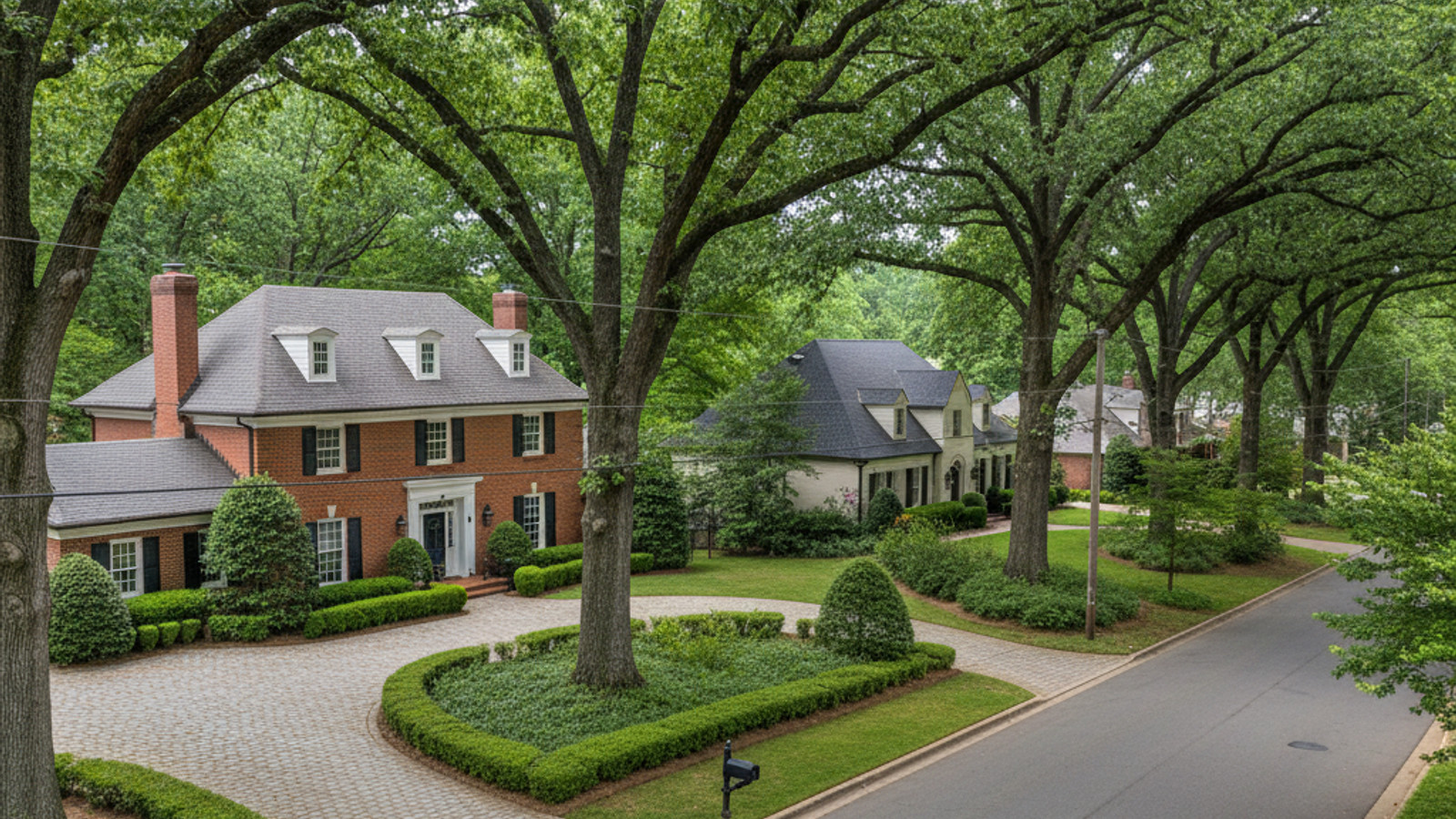
Prices and property types vary widely depending on which part of the city you choose to call home. Green Hills features large, single-family detached homes on mature lots, with median prices routinely exceeding $750,000. Buyers target this area for its established tree canopy and larger square footage.
Just across the river, East Nashville offers a different architectural mix, featuring historic bungalows and newer infill builds. Median prices in East Nashville sit closer to $550,000, making it a popular target for buyers seeking standalone homes with yards. The area features a mix of renovated properties and homes that require some updating.
Buyers focused on low-maintenance living often look toward The Gulch, which is dominated by high-density apartment and condominium buildings. Condos here trade at a higher price per square foot than suburban homes, but they offer immediate access to downtown restaurants and entertainment. Association dues in these buildings should be factored into any monthly budget calculations.
Getting Around Middle Tennessee
Commuting into the central business district requires understanding the local highway network and transit schedules. Most suburban commuters rely on Interstate 65 and Interstate 40 to reach the downtown core. Traffic bottlenecks routinely form near the interchange of these two highways during morning and evening drive times.
Average rush hour commute times from the outer suburbs into downtown Nashville run between 35 and 50 minutes. Buyers should test their potential drive during peak hours before committing to a specific suburb. Distance on a map does not always translate to a fast drive when crossing the city.
For those who prefer public transit, WeGo Public Transit operates a network of local bus routes throughout the metropolitan area. The regional WeGo Star commuter train also provides an alternative for residents traveling from the eastern suburbs into downtown. Residents map out their daily travel using a mix of personal vehicles and public transit options:
-
Interstate 40: Connects the eastern and western suburbs directly to the downtown loop.
-
Interstate 65: Serves as the primary north-to-south artery for commuters traveling from areas like Brentwood or Goodlettsville.
-
WeGo Public Transit: Offers dozens of local bus routes and the WeGo Star commuter rail line for regional travel.
Parks, Healthcare, and Local Schools
Nashville maintains an extensive network of green spaces, anchored by the 132-acre Centennial Park near the university area. This park provides walking trails, a sunken garden, and a full-scale replica of the Parthenon. Residents from across Davidson County travel here for outdoor recreation and community events.
Just blocks from the park sits Vanderbilt University Medical Center, one of the largest employers and healthcare providers in Tennessee. The ongoing concentration of medical staff and university employees creates consistent rental demand in the surrounding neighborhoods. Real estate investors often target this zone to capture long-term tenants working at the hospital.
Public education in the city falls under the jurisdiction of Metro Nashville Public Schools. Buyers should review specific school boundary maps before submitting an offer, as attendance zones dictate where children enroll. Property values often reflect the proximity to specific educational facilities within the district.
Calculating Your Mortgage and Property Taxes
Financing a home purchase in 2026 means working with average interest rates hovering between 6.25% and 6.75% for a 30-year fixed mortgage. Buyers should lock in their rate with a lender early in the process to protect against sudden market fluctuations. Even a half-percent change in rates alters the monthly payment on a median-priced home by hundreds of dollars.
Davidson County assesses property taxes at a rate of approximately $3.254 per $100 of assessed value. In Tennessee, residential property is assessed at 25% of the total appraised value, which keeps overall tax bills lower than in many other states. Homeowners receive their tax bills in the fall, and payments are due by the end of February the following year.
This property tax structure, combined with Tennessee's lack of a state income tax, lowers the overall cost of living for local residents. Buyers relocating from high-tax states often factor these savings into their monthly housing budgets. Lenders will include these property tax estimates when calculating your final debt-to-income ratio.
Frequently Asked Questions
Is $60,000 enough to live in Nashville?
Earning $60,000 a year covers basic living expenses in the city, but buying a home on that income alone is difficult in 2026. Most single buyers in this income bracket focus on renting or sharing a lease in areas outside the downtown core. Those looking to purchase should explore down payment assistance programs or look further out into the surrounding counties.
Will the Nashville housing market experience a price drop in 2026?
While active listings have increased to a multi-year high, widespread price drops have not materialized. Sellers are offering more concessions and negotiating on repairs, but median home prices remain relatively flat. The steady influx of new residents continues to provide enough demand to keep prices stable.
What are the property taxes on a median-priced home in Davidson County?
For a home appraised at $500,000, the assessed value is $125,000 based on the state's 25% assessment ratio. Applying the Davidson County rate of $3.254 per $100, the annual property tax bill comes out to roughly $4,067. Buyers should verify the exact tax history of a property with their real estate agent before closing.