


Nashville serves as the capital of Tennessee and the economic center of the Middle Tennessee area. Known globally as Music City, the region has grown well beyond its roots as a country music hub to become a major destination for healthcare, technology, and corporate headquarters.
The climate here brings four distinct seasons, with average summer highs in the upper 80s and mild winters that occasionally see light snow. Moving to Nashville, Tennessee means adjusting to humid summers and occasional heavy rain, but the year-round access to outdoor recreation balances out the weather shifts.
Housing prices, commute times, and property taxes vary widely depending on which side of the Cumberland River you choose. Buyers evaluating the pros and cons of living here will encounter specific tax structures, distinct neighborhood layouts, and a fast-paced real estate market.
Understanding the Nashville Housing Market
The median home price in Davidson County sits between $460,000 and $485,000 as of early 2026. This figure represents a stabilization after several years of rapid price appreciation across the Middle Tennessee area. Buyers looking closer to Downtown Nashville will find housing prices per square foot run higher than the county average.
Davidson County utilizes a tiered property tax system based on municipal services. Properties within the Urban Services District pay a different rate than those in the General Services District. The effective property tax rate across the county averages near 0.95%, which remains lower than the national average.
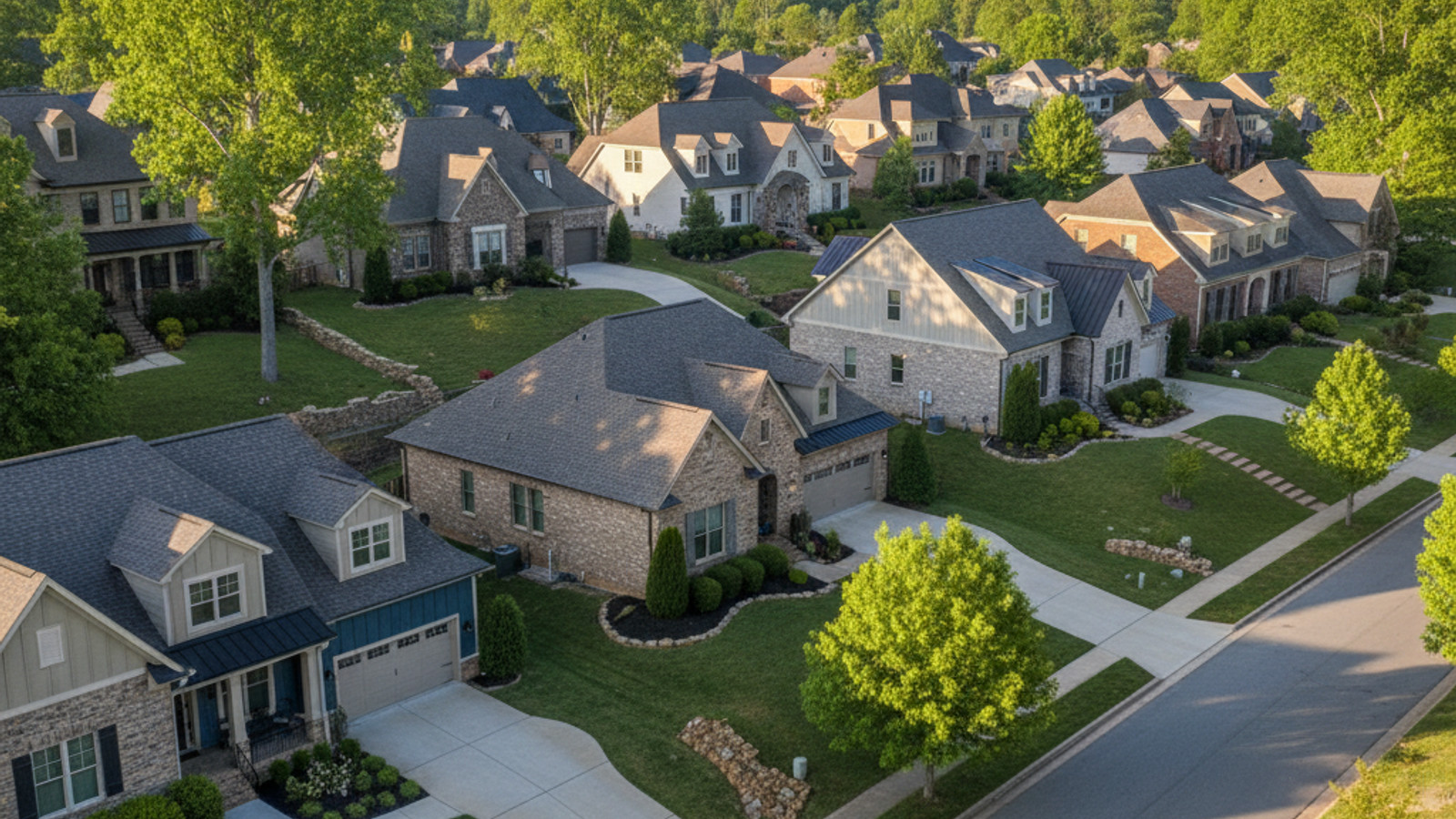
Housing styles shift depending on where you look. Downtown Nashville and the Gulch offer dense, high-rise condominiums with immediate access to live music and the restaurant scene. Moving outward into areas like East Nashville or suburban Davidson County, buyers will find single-family homes with larger lots and no HOA fees.
Working and Commuting in Middle Tennessee
The local job market extends far beyond the entertainment venues on Broadway and the Grand Ole Opry. Healthcare is a massive economic driver, with Vanderbilt University Medical Center and HCA Healthcare serving as major regional employers. The unemployment rate consistently tracks below the national average, supported by a mix of corporate headquarters and manufacturing facilities.
Getting around the city requires understanding the local highway infrastructure. Interstate 40 and Interstate 65 intersect near the city center, creating the primary arteries for daily commuters. Over 85% of residents rely on a personal car to get to work, making highway proximity an important factor when choosing a home.
Average commute times sit between 24 and 30 minutes for most residents. While public transportation exists via the WeGo Public Transit bus system, coverage is limited primarily to major corridors. Buyers should test their potential drive times during peak rush hour before committing to a specific zip code.
Parks, Recreation, and Healthcare Access
Access to green space and medical care shapes the daily routine for residents across the city. The Cumberland River winds directly through the center of town, providing a natural backdrop for miles of paved walking trails.
The city maintains an extensive network of public facilities that offer year-round outdoor activities. Medical infrastructure is equally distributed, ensuring most neighborhoods sit within a short drive of a major hospital or urgent care clinic.
Major Parks and Green Spaces
Centennial Park serves as the premier urban green space, featuring a full-scale replica of the Parthenon and wide walking paths. On the east side of the river, Shelby Park offers 300 acres of riverfront recreation, including a golf course and access to the Shelby Bottoms Greenway.
These paved greenways connect multiple neighborhoods, allowing residents to run or cycle away from vehicle traffic. Many buyers prioritize homes within walking distance of these trailheads to reduce their reliance on driving for recreation.
Regional Healthcare Facilities
Vanderbilt University Medical Center anchors the local healthcare system. This facility provides level-one trauma care and specialized treatment centers that draw patients from across the state.
Other major providers operate satellite campuses and specialized clinics throughout Davidson County. Buyers moving from out of state will find extensive medical networks that accept most major insurance plans.
Local Education and School Districts
The Metro Nashville Public Schools system serves all of Davidson County. The district operates on a zoned neighborhood model, where a student's primary address determines their default school assignment.
The district also offers magnet schools and specialized academies that require a separate application process. Buyers should review the district's zoning maps and enrollment timelines, as boundary lines can change and affect property assignments.
Higher education institutions maintain a large footprint in the area. Vanderbilt University and Tennessee State University bring thousands of students, faculty, and research grants into the local economy each year. These campuses influence local housing demand, particularly in the rental market surrounding the universities.
Frequently Asked Questions
What is the cost of living in Nashville, TN?
Everyday expenses here generally align with the national average, though housing costs have increased the overall budget required. A household earning the median household income of around $71,000 will spend a large portion of their take-home pay on housing if buying near the city center. Tennessee does not collect a state income tax, which helps offset some local sales and property taxes.
Is Nashville a walkable city, or do you need a car?
You will almost certainly need a car to live here comfortably. While specific pockets like Downtown Nashville and the Gulch offer walkability, the broader Middle Tennessee area lacks extensive pedestrian infrastructure. The WeGo bus system provides basic public transportation, but 85% of residents still drive to work.
What salary is needed to live comfortably in Nashville, TN?
A single person typically needs to earn between $80,000 and $90,000 to rent a one-bedroom apartment and cover basic expenses without financial strain. Buyers aiming to purchase a median-priced $485,000 home should target a household income closer to $120,000 to keep their debt-to-income ratio manageable. These figures vary based on your personal debt and chosen neighborhood.