


Buyers evaluating a move to Middle Tennessee frequently ask about municipal security before looking at listings. As a major entertainment destination and a growing corporate hub, the city balances heavy visitor traffic with expanding residential districts.
For those asking, is Nashville, TN safe, the answer requires looking past the tourist crowds on Broadway to examine local statistics. Metro Nashville Police Department data, emergency response capabilities, and local infrastructure all play a role in evaluating the area.
Recent Crime Data for Nashville
The Metro Nashville Police Department reported a 14 percent decrease in violent offenses at the close of 2025, and early 2026 data shows that downward trajectory continuing. This shift brings local metrics closer to national urban averages for cities of a similar population size.
Property crime also saw a 12 percent drop over the previous year. Theft and auto break-ins remain the most common incidents, particularly in areas with dense street parking. Buyers should review specific precinct data for the exact streets they are considering.
Incident rates vary sharply between commercial entertainment zones and residential sectors. Downtown areas, including Midtown and the tourist-heavy honky tonk blocks, record higher incident volumes due to sheer foot traffic. In contrast, residential districts further from the urban core report fewer overall police calls.
City Funding and Police Initiatives
The municipal government formed the 2026 Community Safety Task Force to address localized security concerns across Davidson County. This group coordinates with neighborhood associations to direct resources where they are needed most.
The fiscal year 2026 budget includes a $24.7 million increase for the police department. A portion of this funding supports a permanent flex unit of 36 new officers. This unit deploys to different precincts based on weekly data patterns rather than remaining tied to a single station.
Additional funds go toward public safety programs focused on prevention. These initiatives include upgraded street lighting in pedestrian corridors and expanded community outreach programs designed to deter property crime.
Emergency Services and Healthcare Access
Proximity to medical care is a major factor in evaluating local infrastructure. Vanderbilt University Medical Center, located at 1211 Medical Center Drive, serves as the primary hub for critical care. It operates as a Level 1 Trauma Center, Burn Center, and Stroke Center.
Buyers looking outside the immediate Music Row or Midtown areas still have access to immediate care. Walk-in clinics and urgent care facilities operate throughout the surrounding counties, handling non-life-threatening emergencies.
The Nashville Fire Department manages a comprehensive EMS network across the city limits. Response times depend on the distance to the nearest fire hall, which buyers can easily verify when touring a specific property.
Housing Options Across the City
The built environment influences the types of municipal services required in each district. The Gulch features dense, high-rise condominiums with controlled access and private security features. Just across the river, East Nashville offers a mix of historic single-family homes and newly renovated properties with street-facing lots.
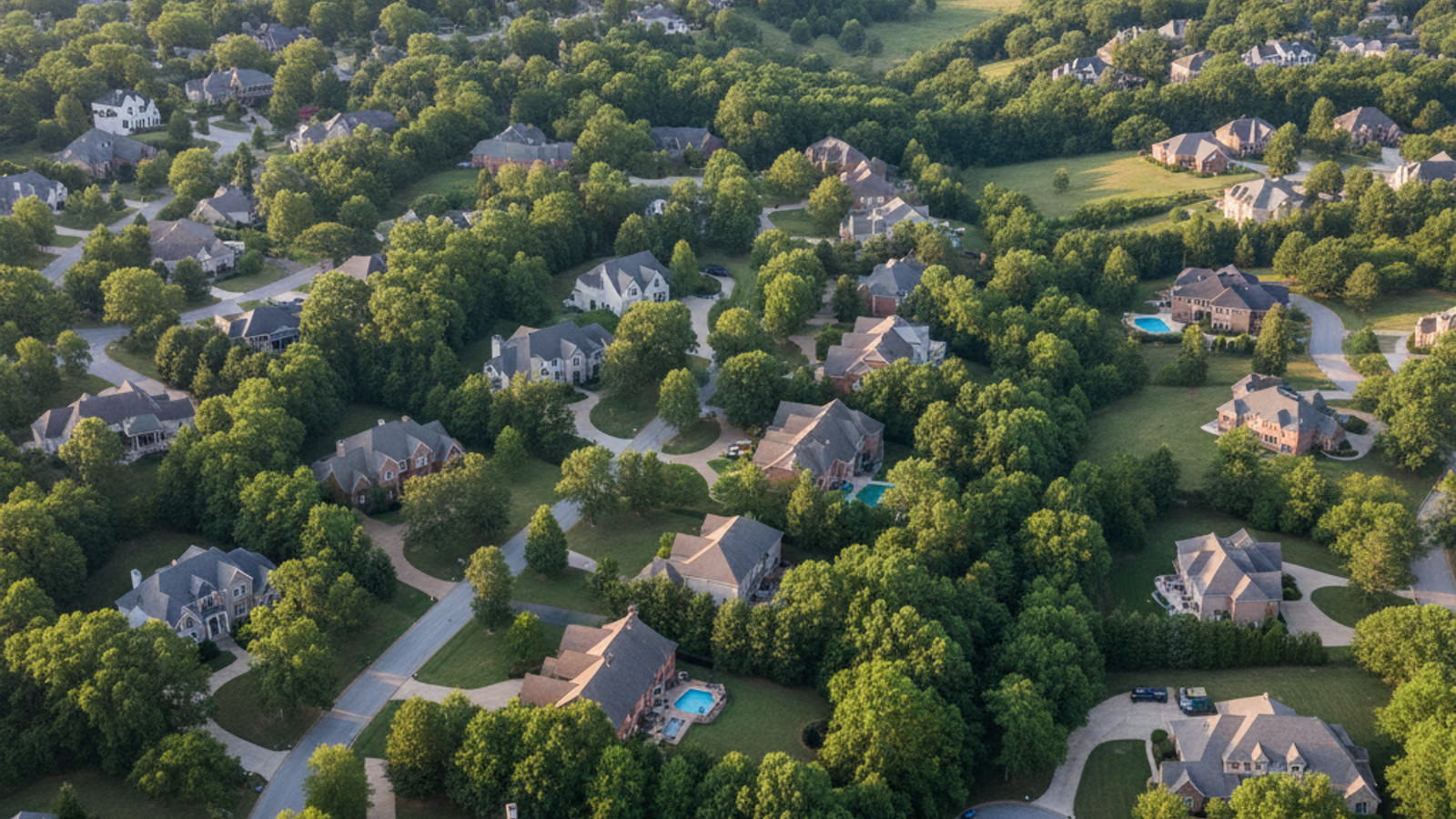
Further south, Belle Meade and Green Hills feature larger lot sizes and higher average property values. These areas consist primarily of detached single-family homes with private driveways. The lower housing density in these southern districts translates to different patrol routes and service needs compared to the urban core.
Buyers should evaluate how a property's layout aligns with their security preferences. A downtown condo provides enclosed parking, while a suburban property requires homeowners to manage their own exterior lighting and alarm systems.
Commute Times and Transit Routes
Daily travel patterns impact how residents interact with the city's infrastructure. The average commute time for workers driving into the city center is approximately 25 to 30 minutes. Major arteries like I-65 and I-24 carry the bulk of this daily traffic.
Drive times vary based on the proximity to the urban core. Commuters living in East Nashville or The Nations typically face a 5 to 20-minute drive during off-peak hours. Those traveling from outer suburbs like Brentwood or Franklin in Williamson County should expect a 20 to 40-minute drive, depending on rush hour congestion.
The city continues to implement traffic management systems to improve transit flow. Upgraded signaling and expanded bus routes aim to reduce the number of single-occupancy vehicles on the interstate during peak morning hours.
Frequently Asked Questions
What is the crime rate in Nashville, TN?
Recent Metro Nashville Police Department reports show a 14 percent decrease in violent offenses and a 12 percent decrease in property crime for 2025. Rates fluctuate by zip code, with commercial entertainment districts generally recording more incidents than residential blocks.
Are there specific neighborhoods with lower crime statistics?
Areas with lower commercial density and less foot traffic tend to report fewer police calls. Residential sections of Green Hills and Belle Meade historically show lower incident rates compared to the downtown core.
How reliable are Nashville's emergency medical services?
The city maintains a robust EMS network anchored by major hospitals like Vanderbilt University Medical Center. Response times are generally swift within the city limits, supported by numerous fire stations and localized urgent care centers.