


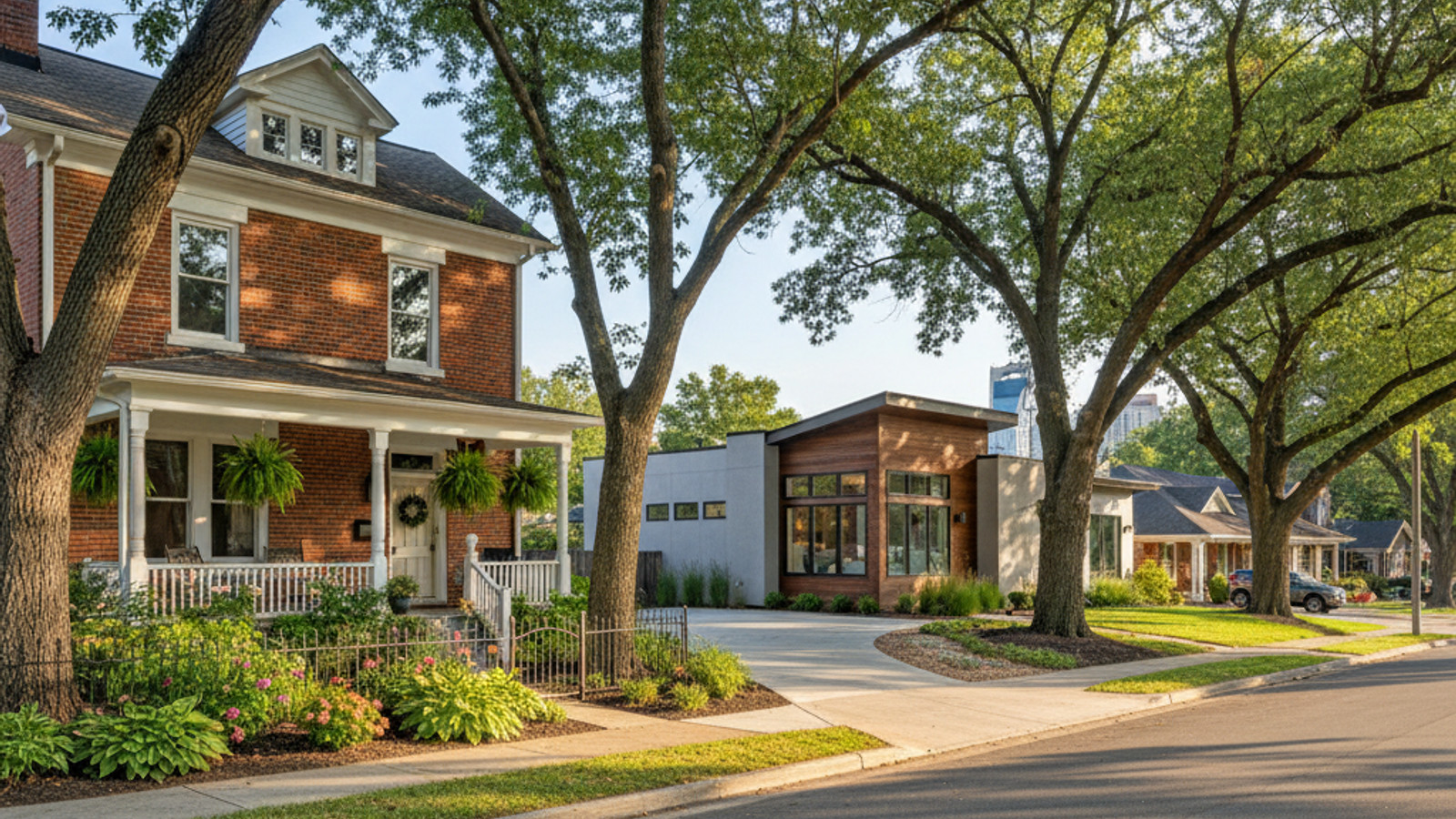
The landscape for real estate investors in Middle Tennessee has evolved significantly over the past few years. Buyers entering the market today will find an environment defined by steady, predictable growth rather than the frantic bidding wars of the early 2020s. Understanding the local economic drivers and zoning regulations is essential for building a profitable portfolio in Davidson County.
Nashville continues to attract a steady influx of new residents drawn by strong employment opportunities and no state income tax. This sustained migration requires a robust inventory of housing options, creating distinct opportunities for buyers interested in long-term rental properties. Navigating this environment requires a clear grasp of neighborhood-specific dynamics and current market data.
Whether you are a new investor looking for your first rental or an experienced investor expanding a commercial portfolio, the fundamentals remain the same. Success depends on accurately projecting cash flow and understanding the nuances of local property management. This guide explores the essential data points and municipal rules you need to make informed purchasing decisions this year.
The State of the Nashville Real Estate Market in 2026
The local housing market has officially transitioned into a balanced environment, offering distinct advantages for buyers. Active residential inventory has expanded significantly across the region, replacing the severe shortages seen in previous years. This increase in available homes gives real estate investors more options and much-needed negotiation leverage.
Average days on market currently range from 69 to 88 days, depending on the specific zip code and property condition. This extended timeline allows buyers adequate room to conduct thorough due diligence, schedule proper inspections, and secure financing without rushing. Median home prices sit at approximately $470,000, reflecting a stabilization in real estate values.
Property appreciation has settled into a sustainable rhythm rather than the double-digit jumps experienced historically. This steady equity growth provides a reliable foundation for those focused on long-term wealth accumulation. The clear takeaway for today is that patience and careful property selection now yield better results than simply rushing to close any available deal.
Job Growth and Economic Drivers
Strong employment fundamentals remain the primary engine supporting housing demand across the metropolitan area. The local economy thrives on a diversified mix of healthcare, technology, and entertainment sectors. Corporate expansions continue to bring a steady stream of workers who require housing close to major urban centers and transit corridors.
Major employment hubs like Vanderbilt University Medical Center and Amazon anchor the local job market. Additionally, the ongoing development of the $1.2 billion Oracle campus operates as a massive magnet for tech industry talent. Institutional investment along these key commercial corridors supports both residential and commercial property values, ensuring a consistent tenant pool.
Analyzing Rental Yields and Cash Flow Potential
Generating a reliable stream of income requires a careful analysis of current rental rates and operating expenses. The average rent in Nashville currently ranges from approximately $1,664 to $2,190 per month, heavily dependent on the property type and exact location. Investors must balance these gross revenue projections against the reality of monthly carrying costs.
Long-term leases generally offer a highly predictable revenue stream that makes financial forecasting straightforward. In contrast, short-term vacation rentals can generate higher variable income but come with increased vacancy risks and heavier operational demands. Choosing between these two strategies dictates exactly where and what type of property you should purchase.
Calculating your true return on investment means factoring in more than just the monthly mortgage payment. Property management fees, routine maintenance, and monthly HOA dues will significantly impact your final cash flow. A successful investment hinges on running conservative estimates for these expenses rather than assuming best-case scenarios.
Navigating Short-Term Rental Regulations
Nashville enforces exceptionally strict zoning laws regarding short-term rental properties like Airbnb and Vrbo. The city distinguishes between Type 1 permits for owner-occupied properties and Type 2 permits for non-owner-occupied investments. Non-owner-occupied short-term rentals are strictly banned in residential zoning districts, including R, RS, and RM zones.
New Type 2 permits are now only issued in specific commercially zoned areas of the municipality. Furthermore, short-term rental occupancy is typically capped at a maximum of 12 guests or twice the number of bedrooms, whichever figure is lower. Investors must verify both municipal permit eligibility and individual HOA bylaws before closing on any condo or single-family home intended for short-term use.
Best Neighborhoods for Investment Properties
Selecting the right location is just as critical as securing the right financing terms. Investors should evaluate neighborhoods based on objective metrics like commute times, transit access, and proximity to major employment hubs. Areas that offer convenient access to daily amenities tend to experience lower vacancy rates and stronger tenant retention.
The Nashville landscape features dozens of distinct submarkets, each catering to different investment strategies. A property near the urban core will perform very differently from a single-family home in a quieter suburban district. Understanding the specific infrastructure and zoning rules of each area will prevent costly missteps.
The following three areas represent strong opportunities, though they serve entirely different tenant bases and investment goals. Careful consideration of these distinct zones will help align your purchase with your broader financial strategy. The key is matching the neighborhood profile to your preferred asset management style.
East Nashville
East Nashville offers a compelling blend of historic properties and modern new developments situated just across the Cumberland River. The area experiences high demand driven by its immediate proximity to downtown and dense clusters of local restaurants and retail shops. The housing stock includes a mix of single-family homes, detached duplexes, and horizontal property regimes.
This established submarket presents excellent potential for steady appreciation and strong tenant retention over time. Because of the strict residential zoning restrictions in place, this area is highly suited for long-term rentals rather than non-owner-occupied short-term ventures. Investors here benefit from consistent demand from renters seeking a vibrant, amenity-rich environment.
The Gulch
The Gulch represents the premier high-density, urban condo market located immediately adjacent to the downtown commercial district. The neighborhood features exceptional walkability, luxury building amenities, and instant access to major corporate offices. Property types here cater heavily to individuals who prioritize immediate access to employment centers and public transit.
Buyers interested in this area must pay close attention to building-specific regulations and association rules. Most high-rise condo associations in The Gulch mandate minimum 12-month leases and heavily restrict or outright ban short-term rentals. This makes the area ideal for premium long-term leases but entirely unsuitable for daily vacation rentals.
Sylvan Park
Sylvan Park is a primarily single-family home market situated close to major medical and educational institutions. The neighborhood benefits from close proximity to Vanderbilt University Medical Center and convenient access to nearby interstates. Properties here typically feature larger average square footage and excellent access to local parks and greenways.
Real estate values in this area command a premium entry price compared to other parts of the city. However, that higher initial cost buys into a market known for highly stable long-term equity growth. It is an excellent target for investors looking to hold quality assets in an established, high-demand location.
Understanding Nashville Property Taxes and Landlord Rules
Tennessee features a unique property tax assessment structure that is highly favorable compared to many other states. Residential properties are not taxed on their full appraised value, which helps keep annual carrying costs manageable for owners. Instead, residential real estate is assessed at exactly 25 percent of the county's appraised value.
The specific tax rate you pay depends on whether the property falls within the Urban Services District or the General Services District. The Metro combined tax rate sits at approximately $2.814 per $100 of assessed value. This translates to an effective tax rate of roughly 0.70 percent to 0.78 percent of the full appraised value.
Beyond favorable tax structures, Tennessee maintains landlord-friendly laws regarding lease agreements and property management. The regulatory environment allows owners to efficiently handle tenant relations, lease enforcement, and property maintenance without excessive bureaucratic delays. This legal framework significantly reduces the operational friction of managing a real estate portfolio.
Strategies for Financing and Property Management
Securing favorable mortgage terms is a foundational step for any successful real estate investment in the current economic climate. Local lenders understand the nuances of the Davidson County market and can often provide more flexible financing options than national institutions. Partnering with a regional bank can streamline the underwriting process and ensure a timely closing.
Buyers should expect lenders to require substantial documentation regarding projected rental income and personal cash reserves. Investment property mortgages typically carry slightly higher interest rates and demand larger down payments than primary residence loans. Factoring these specific financing costs into your initial cash flow analysis is absolutely essential.
Beyond financing, establishing a reliable property management framework will determine the day-to-day success of your portfolio. Nashville property management companies typically charge between eight and ten percent of the monthly collected rent. Outsourcing this labor allows out-of-state investors to maintain a passive income stream while ensuring local legal compliance.
Frequently Asked Questions
Is Nashville a good real estate investment in 2026?
Nashville remains a highly stable and lucrative market for real estate investment in 2026. The city features strong economic diversification, a balanced housing supply, and consistent job growth across multiple sectors. With median home prices around $470,000, it offers accessible entry points compared to major coastal markets.
What is the 3-3-3 rule in real estate?
The 3-3-3 rule is a general financial guideline used to evaluate readiness for purchasing property. It requires buyers to meet three specific baseline criteria before taking on a new mortgage.
-
Have three months of mortgage payments saved in reserve.
-
Put at least three percent down on the purchase price.
-
Plan to hold the property for a minimum of three years.
Following these metrics helps protect your cash flow during the critical early years of ownership.
What is the 7% rule in real estate?
The seven percent rule typically refers to the historical average rate of annual appreciation for real estate investments. Over long periods, property values nationwide have generally grown by roughly seven percent each year. Alternatively, some commercial investors use seven percent as a baseline target capitalization rate when evaluating the annual yield of an income-producing property.
Is $60,000 enough to live comfortably in Nashville?
Earning $60,000 per year requires careful budgeting in the current Nashville economy. With average monthly rents ranging from $1,664 to $2,190, housing costs will consume a significant portion of that income. Residents at this income level typically need to focus on properties further from the downtown core or consider shared housing arrangements.