


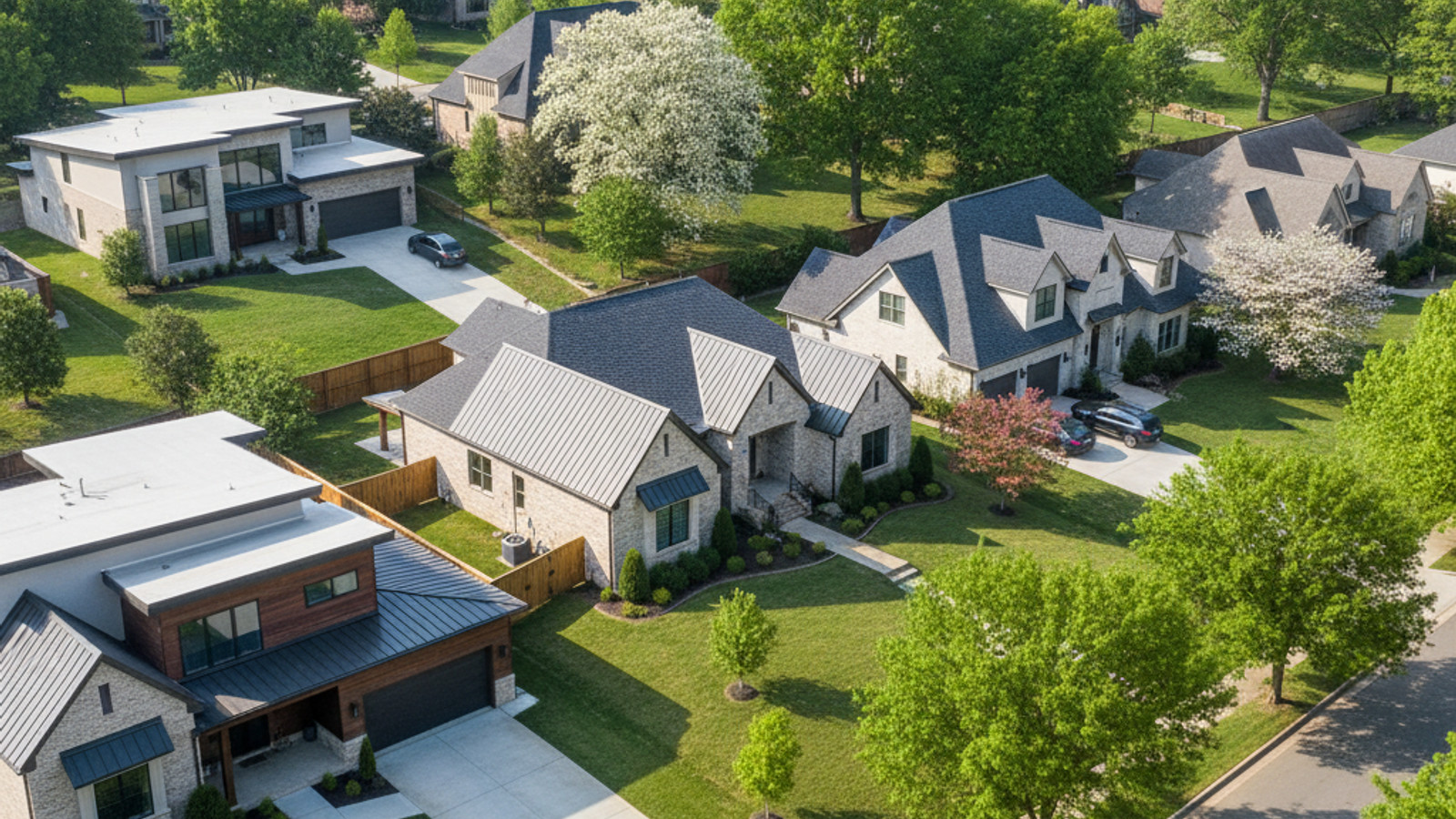
The median home price in Davidson County hovers near $475,000, setting a clear baseline for anyone evaluating the cost of living in Nashville, TN. Music City has seen massive economic growth over the past decade, transforming from a regional hub into a major national destination.
This rapid expansion brings shifts in daily expenses, from housing and groceries to utility bills. Moving to middle Tennessee means balancing a competitive real estate market with the financial benefits of living in a state with no income tax.
How Nashville Compares to the National Average
Nashville's overall expenses sit slightly higher than the national average, driven largely by housing demand in the urban core. While goods and services align closely with other mid-sized cities, real estate premiums push the aggregate index up.
A single person typically needs to earn around $75,000 to $85,000 to live comfortably in Nashville, while a household of four should aim for $130,000 or more. These figures account for standard monthly obligations like housing, transportation, healthcare, and food.
What to Expect for Housing Costs
The 2026 real estate market presents distinct tiers depending on your preferred property type and location. Single-family homes in the broader Davidson County area generally range from $550,000 to $620,000. Buyers looking for more space often look toward outer neighborhoods or adjacent counties to maximize their budget.
Downtown Nashville offers a different lifestyle centered around attached housing. Condos in the city center average between $400,000 and $425,000, though luxury high-rises command much higher prices. Buyers should factor monthly homeowners association dues into their debt-to-income ratios when purchasing these properties.
Average Rent for Apartments
Renters face a similar geographical price divide across the metro area. Average rent for a standard one-bedroom apartment falls between $1,600 and $1,950 per month.
Buildings in The Gulch and downtown Nashville carry a steep premium, with luxury units starting around $2,400 per month. Tenants should also anticipate standard move-in fees, including security deposits and application charges, which add to initial relocation expenses.
Budgeting for Monthly Utilities
Tennessee experiences distinct seasons, which directly impacts household electricity usage throughout the year. Hot, humid summers force air conditioning units to run continuously from June through September, causing power bills to peak.
Base utilities, covering electricity and water, average $190 to $230 per month for a standard single-family home. When you add high-speed internet and streaming or cable services, total monthly utility costs typically range from $350 to $450.
Getting Around Davidson County
Most residents rely on personal vehicles to commute across the Nashville metro area. Gas prices currently fluctuate between $3.30 and $4.10 per gallon, which impacts the monthly budget for drivers taking major routes like I-65 and I-40. Traffic congestion during peak morning and evening hours increases fuel consumption and routine maintenance needs.
Public transportation offers an alternative for those living and working near established routes. WeGo Public Transit provides local bus service for $2.00 per single ride, or $4.00 for a full-day pass. The WeGo Star commuter rail connects eastern suburbs to downtown Nashville, providing another option to bypass interstate traffic.
Supermarkets and Dining Out
Monthly grocery costs for a single person run roughly $250 to $300, depending on dietary habits and store choices. A family of four can expect to spend between $900 and $1200 per month on food at home.
Shoppers have multiple options across the city, ranging from regional chains like Publix to discount grocers like Aldi and Piggly Wiggly. Dining out adds up quickly in Music City, with a standard mid-range restaurant meal averaging $25 to $35 per person before drinks and tip.
Healthcare Facilities and Medical Bills
Nashville is a major hub for the healthcare industry, giving residents immediate access to extensive medical facilities. Vanderbilt University Medical Center anchors the local network, offering specialized care and routine services.
Medical expenses align closely with national healthcare inflation rates in 2026. Standard health insurance premiums for an individual average $400 to $500 per month through the marketplace, while standard doctor visits carry co-pays ranging from $25 to $50 depending on the specific plan.
State and Local Taxes
Tennessee remains one of the few states with a 0% state income tax on wages and salaries. This structure keeps more money in residents' paychecks, helping to offset the higher costs associated with local housing.
To fund municipal services, the area relies on property and sales taxes. Davidson County homeowners currently pay an effective property tax rate of roughly 0.78% following recent municipal reappraisals. The combined state and local sales tax rate sits at 9.25%, applying to most retail goods.
Frequently Asked Questions
What salary do you need to live in Nashville, TN?
A single professional should aim for an annual income of at least $75,000 to cover baseline expenses comfortably. Families generally need upwards of $130,000 to manage a mortgage, childcare, and multiple vehicles. Earning above these thresholds provides more flexibility for savings and entertainment.
Is it expensive to live in Nashville, Tennessee?
The city costs more than rural Tennessee but remains cheaper than coastal hubs like New York or San Francisco. The lack of state income tax offsets some expenses, though downtown housing prices push the overall average higher. Careful budgeting allows many residents to manage the financial demands of the area.
Are there affordable housing options or neighborhoods in Nashville?
Buyers can find lower purchase prices by looking outside the immediate downtown core. Areas further from the city center offer single-family homes that fall below the $550,000 county average. Expanding your search to adjacent counties also yields more square footage for your dollar.