Greater Nashville Real Estate and Community News

Jan. 21, 2026

Is Nashville Good for Families? A Relocation Guide

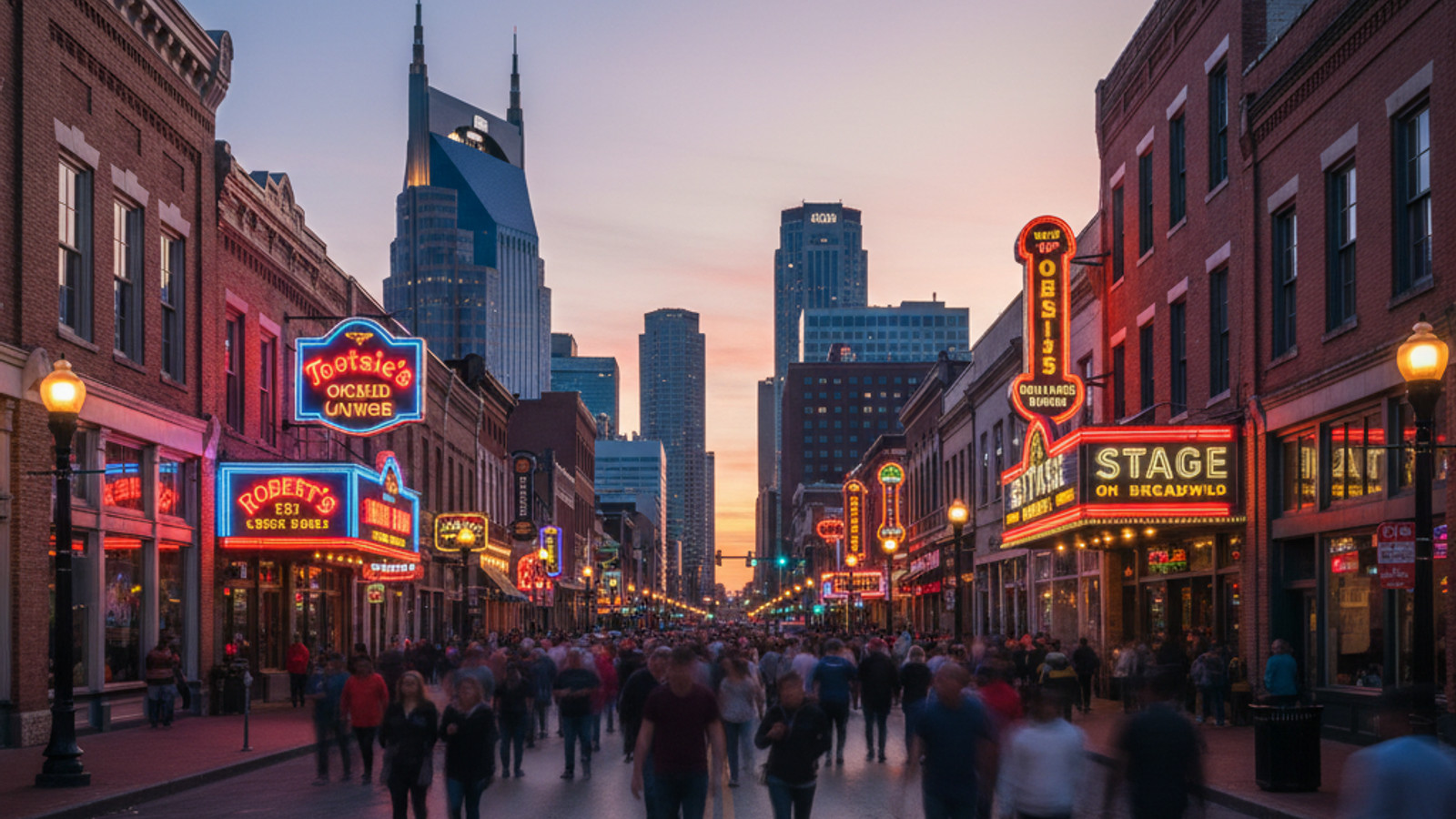
If you’ve only seen Nashville on Instagram or TV, you might think the entire city is one giant bachelorette party on a pedal tavern. And while the neon lights of Broadway are definitely part of the energy here, they don't represent the reality of day-to-day life for the people who call this city home.

So, is Nashville a smart move for households with kids? The short answer is yes, absolutely—but the "how" and "where" matter immensely.


The experience of raising children here depends heavily on whether you choose the urban core of Davidson County or the sprawling hills of the surrounding suburbs. It’s a city growing through some growing pains, balancing its reputation as the "Vegas of the South" with a deeply rooted community culture that values church, football, and front-porch sitting. If you are looking for economic opportunity blended with genuine Southern hospitality, this might be your spot.

The Family Lifestyle: Vibe, Culture, and Community

Once you get away from the tourist traps, the lifestyle here shifts dramatically. The Southern hospitality you hear about is generally real. It is not uncommon for neighbors to bring over cookies when you move in or for strangers to strike up conversations in the grocery line. Even as the city grows into a major metropolis, it fights hard to keep that small-town feel.


Culturally, there is a lot more going on than just country music honky-tonks. The city is rich in history and arts that cater to all ages. You will find that music is woven into everything, from free outdoor concerts in the park to festivals that are specifically designed for kids. It’s a vibrant place where creativity is encouraged.


You also have to talk about the weather. We enjoy four distinct seasons, which is great for keeping kids active outdoors. Winters are generally mild, often just chilly rain with the rare dusting of snow that shuts everything down for a day of sledding. Springs are stunningly green, but you should be prepared for summers. They are hot and very humid, meaning July and August are often spent seeking out pools or air conditioning.

Cost of Living for Families in Nashville

Financially, the landscape has changed over the last decade. It’s important to be realistic: Nashville is no longer the bargain-bin cheap city it was twenty years ago. However, compared to coastal cities like New York, Los Angeles, or even parts of Florida, the cost of living in Nashville still offers significant value.

Housing and Taxes

The biggest line item in your budget will be housing. Prices have risen, with the median home price often hovering in the $450,000–$500,000 range, though this swings wildly depending on the neighborhood. If you are renting while you look for a permanent spot, a standard two-bedroom apartment or small home typically rents for around $1,700–$2,100 per month.


The trade-off comes in taxes. Tennessee has no state income tax on wages. For working parents, that is an immediate raise compared to living in many other states. Property taxes are also generally reasonable, though it's worth noting that rates in Davidson County (the city limits) are different from Williamson County (the affluent suburbs), and you usually get what you pay for in terms of school funding.

Everyday Expenses

Beyond the mortgage, you need to budget for the day-to-day. Childcare is competitive and pricey. For full-time daycare, you can expect to pay anywhere from $1,000 to over $1,500 per month per child. Groceries and utilities generally track with the national average, but because of the heat, your electric bill in August might be a shock if you aren't prepared for it.

Navigating Schools: Public vs. Private Options

For many parents, the school zone determines the zip code. This is perhaps the biggest dividing line in the local real estate market.


Williamson County Schools (WCS) If you are looking at suburbs south of the city, you are likely looking at Williamson County. The district is consistently top-rated and is a massive draw for relocation. Families often pay a premium for housing in towns like Brentwood or Franklin specifically to access these schools, which function much like well-funded private schools in terms of facilities and test scores.


Metro Nashville Public Schools (MNPS) In Davidson County (Nashville proper), the situation is more nuanced. The public system has mixed reviews overall, but it is home to some incredible bright spots. MNPS operates a system of magnet schools, such as Hume-Fogg and Martin Luther King Jr. Magnet, which are some of the highest-performing high schools in the nation. However, entry can be competitive.


The Private School Factor You cannot talk about education here without mentioning the private school culture. Nashville has one of the highest concentrations of private schools in the South. Institutions like Ensworth, Montgomery Bell Academy (MBA), and Harpeth Hall are deeply entrenched in the city's social fabric. Even middle-class households here often budget specifically for private tuition, so it’s something to keep in mind as you look at your long-term finances.

Top Neighborhoods and Suburbs for Households with Kids

Finding the right place to land involves balancing your commute, your budget, and the amenities you want right outside your door. Here are a few areas that consistently draw buyers with children.


Brentwood and Franklin These are the heavy hitters south of the city. Brentwood is known for massive lots, rolling hills, and a very polished suburban feel. It’s one of the wealthiest zip codes in the state, with median prices easily topping $1 million. Franklin offers a bit more historic charm with its famous Main Street but commands similar prices ($600,000–$800,000+). Both offer access to those top-tier Williamson County schools.


Green Hills If you want to stay closer to downtown but don't want to sacrifice luxury, Green Hills is a common choice. It is very affluent and houses high-end shopping (the Mall at Green Hills) and many of the prestigious private schools mentioned earlier. Traffic here is notoriously dense, but the convenience to the urban core is unmatched.


12 South and Sylvan Park For those who want sidewalks, walkability, and a bit more "cool factor," these neighborhoods are ideal. You’ll see endless strollers on the weekends. 12 South features Sevier Park, which is a community hub, while Sylvan Park is full of renovated historic cottages and local restaurants.


Bellevue Located on the west side of town, Bellevue is often cited as a practical, high-value option. Prices are generally more accessible (often in the $400,000–$600,000 range), and it sits right next to the massive Warner Parks system. It feels very suburban and woodsy while still being part of Davidson County.


Mount Juliet and Hendersonville If you look east or north, you find the "lake life" suburbs. These areas sit on Old Hickory Lake and offer great schools and a slower pace of living. The commute to downtown is longer, but you get more house for your money.

Parks, Outdoors, and Kids' Attractions

One of the best things about the best neighborhoods in Nashville is that you are rarely far from green space. The city has invested heavily in maintaining spaces for active kids.


The Nashville Zoo at Grassmere is a standout. It’s extremely popular not just for the animals, but for having one of the largest jungle gyms you’ve ever seen. It’s a go-to spot for parents to let kids burn off energy.


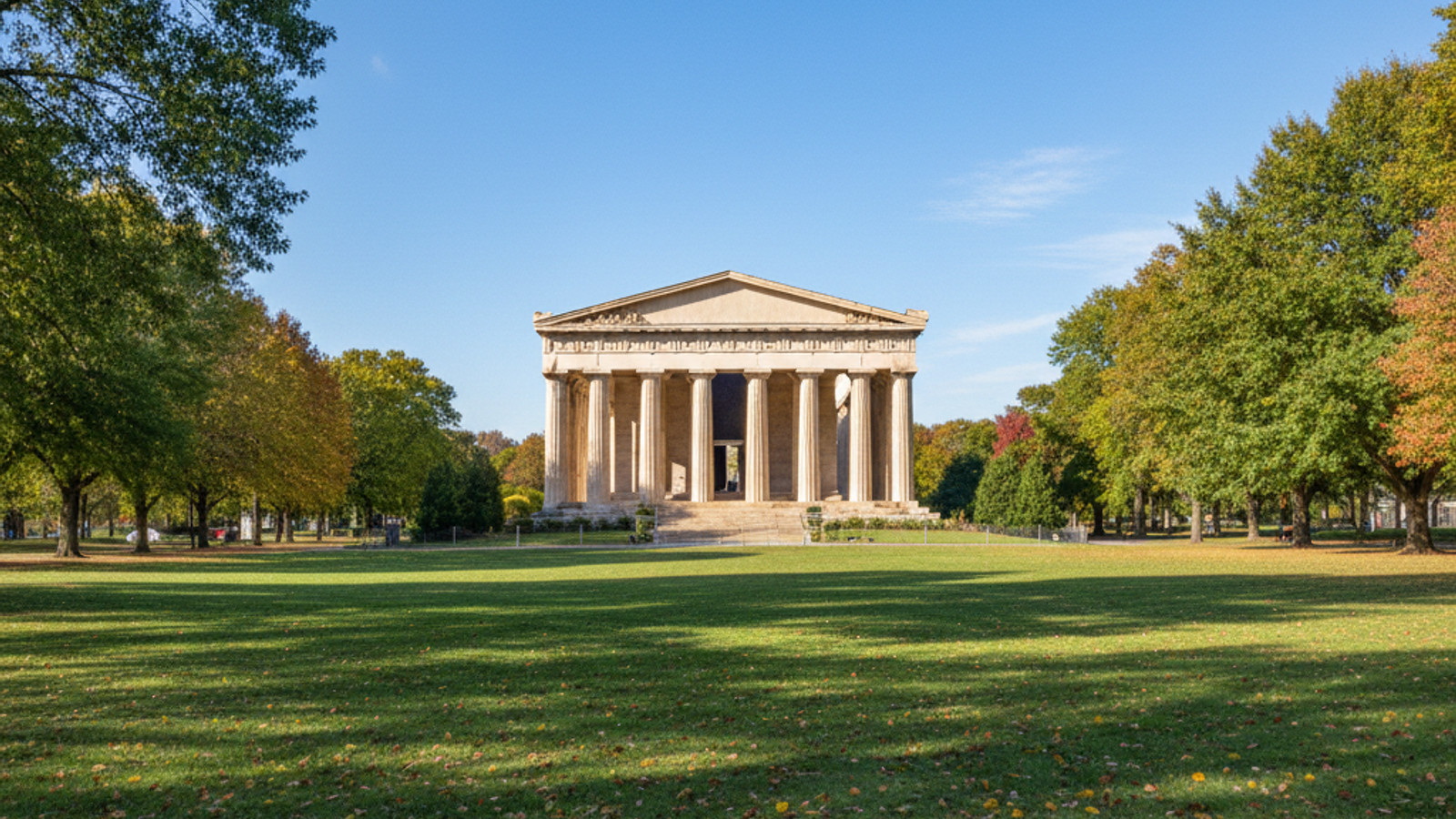
For rainy days, the Adventure Science Center offers hands-on STEM education that can occupy a whole afternoon. When the weather is nice, locals flock to Centennial Park to see the full-scale replica of the Parthenon, or they head to Percy Warner and Edwin Warner Parks. These massive parks offer miles of hiking trails and nature centers that make you feel like you’re deep in the country, just minutes from the city limits.


We also have Cheekwood Estate & Gardens, which is beautiful year-round but becomes a mandatory stop for families during their seasonal festivals, specifically the pumpkin patch in autumn and the holiday lights in December.

Safety, Healthcare, and Traffic

There are a few logistical realities you need to check before signing a lease or a mortgage.


Healthcare Access This is a major pro. Nashville is the healthcare capital of the US. You have access to Vanderbilt University Medical Center, and specifically the Monroe Carell Jr. Children's Hospital at Vanderbilt, which is world-class. Having top-tier pediatric specialists right in your backyard provides significant peace of mind.


Safety Considerations Like any major growing city, crime exists. The urban core and certain pockets of the city have higher crime statistics, while the outer suburbs generally report much lower numbers. It is always smart to look at crime mapping for the specific street you are interested in, as safety can vary block by block in gentrifying areas.


The Traffic Reality This is the biggest "con" you will hear about. Public transit is minimal, so you will be dependent on your car. Traffic congestion has worsened as the population has boomed. Commutes from suburbs like Franklin or Mount Juliet can easily exceed 45 minutes to an hour during peak times. You have to be comfortable spending time in your vehicle.

Pros and Cons of Raising a Family in Nashville

To sum it up, here is how the trade-offs usually look for parents:

  • Pros:
    • No state income tax creates more take-home pay.
    • Strong economic growth and job market.
    • Mild winters and beautiful springs.
    • Access to world-class pediatric healthcare.
    • A culture that genuinely values children and community.
  • Cons:
    • Housing costs are high for the South.
    • Traffic congestion is significant and public transit is lacking.
    • Summers are intensely hot and humid.
    • Securing spots in top magnet or private schools is competitive.

Common Questions About Nashville Family Life

Is Nashville safe for families?

Generally, yes, especially in the suburban communities and established residential neighborhoods. Like any metropolitan area, crime rates are higher in the downtown urban core and vary significantly by neighborhood, so it is important to research specific streets.

What is the best school district in the Nashville area?

Statistically, Williamson County Schools (WCS) consistently ranks as the top-performing district in the region and the state. This district covers suburbs like Brentwood, Franklin, and Nolensville, making them highly desirable for education-focused moves.

Is it expensive to raise a family in Nashville?

It is moderately expensive; it is certainly pricier than rural Tennessee or smaller Southern cities, but still significantly more affordable than major coastal hubs like NYC or San Francisco. The lack of state income tax helps balance out the rising cost of housing and groceries.

Can you live in Nashville without a car?

Realistically, no, especially not with children. While there are some walkable pockets like 12 South or parts of East Nashville, the regional transit system is limited. To get to schools, grocery stores, and parks efficiently, a car is a necessity.


Jan. 21, 2026

Navigating Education Options in Music City: A Homebuyer’s Guide to Nashville Schools

If you are looking at living in Nashville, you’ve probably already realized that the school landscape here is a bit unique compared to other cities. We don't just have a simple grid of neighborhood schools; we have a diverse mix of traditional zoned public schools, academic magnets, charter networks, and one of the most robust private school cultures in the South.


For newcomers, the system can be a little head-spinning. You might hear terms like "Optional Schools," "lottery," and "priority zones" tossed around at open houses. It’s a lot to take in, but understanding how it works is critical because your address often dictates your options. Whether you are aiming for a specific public zone or budgeting for private tuition, your housing search will likely be heavily influenced by the education map.

Understanding Metro Nashville Public Schools (MNPS)

The first thing to know is how the public district, Metro Nashville Public Schools (MNPS), actually operates. Unlike some districts where you simply go to the school down the street, Nashville has a layer of "choice" built into the system.


Zoned Schools vs. Optional Schools Every home in Davidson County has a guaranteed "zoned school" based on its street address. If you move in, you are automatically assigned a seat there. However, MNPS also runs "Optional Schools," which include magnet schools and charter schools. These require an application and seats are often assigned via a lottery system because demand exceeds capacity.


Zoned Options and Priority Zones To make things even more interesting, some addresses have what are called "Zoned Options." This means you might have the choice between your close-proximity neighborhood school and a school slightly further away that the district provides transportation to, often to balance diversity or enrollment numbers.


You should also keep an ear out for the term "Geographic Priority Zone" (GPZ). If you live within a GPZ for a specific magnet or charter school, you don't get a guaranteed seat, but you do get better odds in the lottery than someone applying from across town.


Timing the Market If you are planning a move, timing matters. The Optional Schools application window typically opens in late January and closes in early February. Results from the lottery are usually released in early March. If you miss that window, your options may be limited to your zoned school or a private institution.

Top-Rated Public Schools & Their Neighborhoods

When we look at real estate values in Nashville, you can often see a direct correlation between home prices and specific school zones. However, the "best" school for a student depends heavily on whether they are looking for a neighborhood feel or an academic specialty.


Academic Magnets Schools like Hume-Fogg Academic Magnet and Martin Luther King Jr. Magnet are consistently top-ranked, often appearing as the #1 or #2 high schools in Tennessee. It is important to note that these are not zone-based. You cannot buy a house to guarantee admission here; admission is based on academic merit (grades and test scores). However, living in Nashville is a prerequisite to apply.


Sought-After Elementary Zones On the residential side, certain elementary schools act as major anchors for property values. Julia Green Elementary in Green Hills and Percy Priest Elementary in Forest Hills are two prime examples. Homes for sale in Green Hills and Belle Meade often command a premium specifically because the zoned elementary school is so highly regarded.


In East Nashville, the landscape is a mix of zoned and choice schools, with places like Lockeland Design Center being highly coveted. Lockeland is an optional school with a lottery, but it has a strong local priority zone, meaning living nearby gives you a significant leg up on getting in.

The Private School Landscape

You can't talk about education in Nashville without mentioning the private sector. Compared to many other mid-sized cities, Nashville has a remarkably high density of private schools, and for many residents, this is their primary plan.


The "private school corridor" is heavily concentrated in neighborhoods like Belle Meade and Green Hills. You have historic, nationally recognized institutions like Montgomery Bell Academy (MBA) for boys, Harpeth Hall for girls, and Ensworth, which has two campuses. Further south, you’ll find Franklin Road Academy (FRA) and Lipscomb Academy.


If you are leaning this direction, you need to factor it into your monthly housing budget. Tuition generally ranges from $15,000 to over $35,000 annually depending on the grade level and the specific school. For many buyers looking at Belle Meade real estate, proximity to these campuses is just as important as the home itself to cut down on the morning commute.

Charter Schools: A Growing Alternative

If the traditional zoned schools don't feel like the right fit, but private school tuition isn't in the budget, charter schools are a growing middle ground. Charter schools in Nashville are public and tuition-free, but they operate independently from the standard district curriculum and management.


Popular networks like KIPP and Valor Collegiate Academies have made a strong name for themselves here. Valor, for instance, has drawn significant attention for its academic performance and social-emotional learning curriculum.


Admissions for these schools usually follow the standard MNPS Optional Schools application process. They are particularly popular in neighborhoods where the traditional zoned middle or high schools may currently have lower ratings, offering residents a high-quality alternative without a price tag.

The Williamson County Factor

One of the most common debates we hear from buyers is the "Davidson vs. Williamson" question. It’s a trade-off that usually comes down to lifestyle versus school ratings.


Many buyers choose to look at living in Brentwood or Franklin specifically for the Williamson County School system. Schools like Brentwood High and Ravenwood High are frequently ranked in the top 5 in the state and compete with Nashville’s private schools in terms of college prep reputation.


The trade-off is often the commute and the home price. Moving to Williamson County generally means a longer drive if you work in downtown Nashville, and the entry-level price for a single-family home is steep. However, for those who want an "A-rated" public school experience without the lottery uncertainty or private tuition, Williamson County is often the default choice.

School Zones, Commutes, and Logistics

Finally, let’s talk about the logistics of the school run, because it impacts traffic patterns across the city.

Bus Service MNPS provides transportation for zoned schools and usually for Zoned Options. However, if you win a lottery seat at a magnet or charter school outside your zone, you are typically responsible for transportation. This can be a major factor if you live in West Nashville but your child gets into a magnet school in East Nashville.


Traffic School start and end times dictate the flow of traffic on major arteries like Harding Pike and Hillsboro Pike. The line of cars for private school drop-offs in the morning can add 15–20 minutes to a commute, so it’s wise to drive your potential route during school hours before making an offer.


Verification is Key One final tip: Always verify the specific school zone for a property address using the official MNPS "Zone Finder" tool. Real estate listings can sometimes be outdated or incorrect, and boundary lines can shift. Never assume a house is in a specific zone just because it’s across the street from the playground.

Common Questions About Nashville Schools

How do I apply for magnet schools in Nashville?

You apply through the "Optional Schools" application on the MNPS website. The window usually opens in late January. If the school has academic requirements (like Hume-Fogg), you will need to submit records, otherwise, it is a straight lottery system.

Are schools in Nashville zoned by neighborhood?

Yes and no. You have a guaranteed "zoned" school based on your address, but you also have the option to apply for "choice" schools (magnets and charters) anywhere in the county, provided you can handle the transportation.

What is the difference between Davidson County and Williamson County schools?

Davidson County (Nashville) serves a largely urban population with a mix of zones, magnets, and charters. Williamson County (Brentwood/Franklin) is a suburban district known for uniformly high-rated traditional public schools, which often drives demand for Brentwood real estate.

Do Nashville charter schools provide transportation?

Generally, no. Most charter schools in Nashville do not provide bus service, so parents must arrange their own transportation. However, some specific charters may offer limited shuttle services, so it is best to ask the school directly.

When does the MNPS school choice application open?

The application process typically begins in late January and runs through early February. It is crucial to check the MNPS calendar annually, as missing this window means waiting for the waitlist process later in the spring.

Jan. 21, 2026

Retiring in Music City: More Than Just Country Roads

Nashville has changed a lot over the last decade. While it used to be a somewhat quiet Southern town known almost exclusively for country music, it is now a booming metropolitan hub. For active adults looking to retire, this shift brings the best of both worlds: you get the vibrant energy, arts scene, and world-class dining of a major city, combined with the tax benefits and hospitality Tennessee is famous for.


It’s not just young professionals moving to Nashville; we are seeing a huge influx of retirees seeking a better quality of life. The appeal goes beyond the honky-tonks on Broadway. It’s about a favorable cost of living relative to coastal cities, access to top-tier healthcare like Vanderbilt, and diverse housing options. Whether you are looking for a quiet cottage or a resort-style campus, the area has evolved to meet the demand.

Why Choose Nashville for Retirement?

If you are wondering what drives people to pack up and head to Middle Tennessee, the conversation almost always starts with finances. Tennessee is incredibly tax-friendly for retirees. There is no state income tax on wages or salaries, and importantly, there is no state tax on Social Security benefits. Furthermore, the Hall Income Tax, which used to tax interest and dividends, has been fully repealed. This can mean significant annual savings for those living on fixed incomes or investment portfolios.

Beyond the ledger, the lifestyle here is a major draw. We enjoy four distinct seasons, but without the brutal, long winters found in the North. You might see a dusting of snow once or twice a year, but it generally melts within a day or two. Summers can be humid, but spring and fall are absolutely spectacular, allowing for a long season of golf, gardening, and outdoor festivals.


Healthcare is another pillar of Nashville’s appeal. With Vanderbilt University Medical Center anchoring the region, along with Ascension Saint Thomas and TriStar systems, you have access to some of the best medical care in the country. Finally, the central location is unbeatable. With the recent expansion of BNA Airport, hopping on a flight to visit grandkids or travel internationally is easier than ever.

Top 55+ and Active Adult Communities in Nashville

When we talk about retirement communities in Nashville, it is important to clarify the geography. Most of the large-scale, amenity-rich developments are not in downtown Nashville itself. Instead, they are located in the thriving suburbs like Mt. Juliet, Spring Hill, and Murfreesboro. This setup offers residents a quieter, lower-traffic daily life while keeping the city’s cultural amenities just a short drive away.

It is also helpful to distinguish between "resale-only" communities, which are established neighborhoods where you buy from a current owner, and "new construction" sites where you can build from the ground up.

Del Webb Lake Providence (Mt. Juliet)

If you ask a local agent about the gold standard for active adult living in the area, Del Webb Lake Providence is usually the first name that comes up. Located in Mt. Juliet, roughly 20 to 25 minutes east of the airport, this community is fully established. Since it is resale-only, you don’t have to deal with construction noise, and the social scene is already vibrant and well-oiled.


The lifestyle here revolves around the water. The community features a 15-acre fishing lake stocked for residents, complete with a canoe and kayak launch. The clubhouse is massive—covering about 24,000 square feet—and houses indoor and outdoor pools, a fitness center, and space for dozens of clubs. It sits right near the Providence Marketplace, so you have easy access to grocery stores, restaurants, and shopping without venturing far.


Regarding costs, homes here have appreciated significantly. You can generally expect prices to range from the high $300,000s to the mid $700,000s, though homes with direct lake views can command premiums pushing up toward $1 million. HOA fees hover around $280–$300 per month, which is competitive considering the scale of the amenities.

Del Webb Southern Springs (Spring Hill)

For those who prefer a slightly more modern aesthetic, Southern Springs in Spring Hill is a fantastic option south of Nashville. While mostly resale now, this community is newer than Lake Providence, and the architecture reflects that with more open floor plans and modern finishes. The vibe here is energetic; you will see a heavy focus on pickleball and active social clubs.


Spring Hill itself is a unique blend of history and rapid suburban growth. It is a bit further from the airport than Mt. Juliet, but it offers a distinct charm and easy access to Franklin. The amenity center here is a multi-million dollar complex featuring a ballroom and resort-style pool. Prices here typically run from the low $500,000s to the mid $800,000s, with monthly HOA fees similar to Lake Providence, roughly $275–$300.

Del Webb Southern Harmony (Murfreesboro)

If your heart is set on new construction and you want to pick your own lot and finishes, Southern Harmony is the one to watch. Located in Murfreesboro, southeast of Nashville, this is the newest major entrant to the market.


Murfreesboro generally offers a more affordable overall cost of living compared to the Franklin area, making this an attractive value proposition. Because it is in the active building phase, buyers have the chance to customize their homes to fit their specific needs. Prices are currently ranging from the $400,000s to the $800,000s, depending heavily on the floor plan and upgrades you select.

Other Notable Communities Near Nashville

While the large resort-style communities get the most attention, there are excellent smaller or niche options worth considering depending on your lifestyle goals.

  • Parkhaven (Hermitage): This is arguably the closest 55+ community to downtown Nashville. It has a unique "agri-hood" focus, centered around community gardens and nature. The homes are beautifully designed with master-down plans, typically priced in the $500,000s to $700,000s.
  • The Cloister at St. Henry (Nashville/Belle Meade): This is an older, established community located in a prime area near Belle Meade. It consists of duplex cottages and is known for being very quiet and private. Inventory is rare here, but older units can sometimes be found in the $300,000s to $400,000s.
  • Reid Hill Commons (Franklin): For those wanting the upscale address of Franklin in a smaller, intimate setting, this is a great choice. It is difficult to get into due to low inventory, but it offers luxury living on a smaller scale.

Cost of Retirement in the Nashville Area

Let's have a realistic conversation about the budget. Years ago, people moved here because real estate was incredibly cheap. Today, the cost of living in Nashville has risen, and while it is still a bargain compared to California or the Northeast, "cheap" isn't the right word anymore. You should expect to pay near national averages—or higher—for prime locations in safe, amenity-rich neighborhoods.

Housing will be your biggest line item. In the Nashville metro area, the median home price often hovers in the $450K–$500K range, though this varies wildly by suburb. In 55+ communities, you are also paying for the lifestyle, which keeps values stable.


Don't let the HOA fees scare you. In these communities, monthly fees of $250–$400 are standard, but they often cover essential services like lawn care, exterior maintenance, security monitoring, and access to pools and gyms. When you do the math on what you would pay for those services individually, the fee often balances out.


It is also worth noting that while we have no income tax, Tennessee does have a high sales tax—roughly 9.25% when you combine state and local rates. It’s a consumption tax model: you pay on what you spend, not what you earn. Additionally, for low-income seniors, there are Property Tax Relief Programs available that can help offset annual costs.

Location Guide: Franklin vs. Mt. Juliet vs. Murfreesboro

Choosing the right community is often less about the house and more about the town it sits in. The suburbs surrounding Nashville have very different personalities.

  • Franklin & Brentwood: This is the upscale choice. You’ll find historic charm, luxury boutiques, and high-end dining. It feels sophisticated and polished. While there are fewer dedicated 55+ communities here, many retirees flock to the area for the quality of life.
  • Mt. Juliet: Known as the "Gateway to the Appalachians," this area sits between two lakes. It is perfect if you love fishing or boating. It is also incredibly convenient for shopping and offers the easiest commute to the airport.
  • Murfreesboro: This is a college town (home to Middle Tennessee State University), which gives it a youthful energy. It is generally more affordable than Franklin and has all the big-box amenities you need, though the commute into Nashville can be traffic-heavy during rush hour.

Healthcare and Medical Amenities

For many retirees, proximity to quality healthcare is a non-negotiable factor. Nashville’s reputation as the healthcare capital of the U.S. is well-earned. Vanderbilt University Medical Center is a nationally ranked research hospital that attracts patients from all over the region for complex procedures and specialized care.


However, you don’t always need to drive downtown for excellent treatment. The suburban infrastructure is robust. Williamson Medical Center in Franklin is top-tier, and TriStar Summit serves the Mt. Juliet and Hermitage areas effectively. These networks have a high concentration of geriatric specialists and cardiac care centers, ensuring that as you age, the support system you need is right in your backyard.

Frequently Asked Questions

Is Nashville a tax-friendly state for retirees?

Yes, it is very friendly. Tennessee has no state income tax on wages and does not tax Social Security benefits or pension income. The trade-off is a higher sales tax (around 9.25%), but for most retirees living on fixed income or investments, the math works out in their favor.

What is the average cost of a home in a Nashville 55+ community?

While prices vary by location and luxury level, you should generally budget between $400,000 and $600,000 for a typical home in a popular community like Del Webb. Premium lots with views or custom finishes in newer developments can easily push prices into the $700,000s or higher.

How is the traffic in Nashville for retirees?

Traffic has increased significantly with the city's growth and can be heavy during rush hours. However, most retirement communities are designed to be self-contained with shopping and medical needs nearby, so you can easily plan your day to avoid peak commuter times.

Does it snow in Nashville?

We do get snow, but it is usually mild. You might see a few inches once or twice a winter, but it rarely stays on the ground for long. You get the beauty of a four-season climate without the burden of months of shoveling or sub-zero temperatures.

Are there active adult communities within Nashville city limits?

There are very few large-scale active adult communities inside the actual city limits of Nashville. Most of the major communities with clubhouses and resort amenities are located in the surrounding suburbs like Mt. Juliet, Spring Hill, and Franklin, where there is more land available.


Jan. 21, 2026

Nashville vs. Mount Juliet: Choosing Between City Energy and Suburban Ease

Deciding where to plant roots in Middle Tennessee often comes down to a single, difficult choice: Do you want the vibrant, walkable energy of the city, or do you want the extra square footage and lake access of the suburbs?


If you are thinking about moving to Tennessee, this is likely the debate you are having right now. Mount Juliet acts as a "gateway" to the east, sitting just 17 to 20 miles from downtown Nashville. It offers a completely different pace of life compared to the urban core, yet it remains close enough that you don't feel isolated.


The core difference usually isn't just about money; it is about lifestyle. Nashville offers density, history, and nightlife right on your doorstep. Mount Juliet offers newer construction, a "sparse suburban" feel, and immediate access to the water. The right choice really depends on your tolerance for a daily commute versus your desire for a newer, larger home.

Cost of Living & Housing Market Comparison

When we talk about the cost of living in Nashville versus its suburbs, it is important to look beyond just the sticker price. The housing markets in these two areas function very differently.


Nashville's inventory is incredibly diverse. You might look at a historic bungalow in East Nashville, a high-rise condo in the Gulch, or a renovation project in growing neighborhoods like Wedgewood-Houston. In contrast, Mount Juliet is defined largely by new construction. You will see row after row of modern subdivisions and master-planned communities built within the last 10 to 20 years.


Here is how the money usually shakes out:

  • Price Dynamics: While median list prices in Mount Juliet can sometimes appear higher—often hovering in the $500,000 to $585,000 range—this is usually because the homes are significantly larger.
  • Value Per Square Foot: You generally get "more house for the money" in Mount Juliet. A $600,000 budget in Nashville might get you a smaller, older home that needs work. In Mount Juliet, that same budget often secures a move-in ready home with 2,500+ square feet and a two-car garage.
  • Rentals: If you aren't ready to buy, Nashville has far more rental options. Mount Juliet has a much smaller rental inventory, though more apartment complexes are being built near the interstate.

Day-to-day costs like groceries and utilities are fairly comparable between the two. However, dining and entertainment budgets tend to run higher in Nashville, simply because you are paying premiums in tourist-heavy districts.

Tax Rates: Davidson County vs. Wilson County

One of the biggest financial factors buyers look at is property tax. Because these two cities sit in different counties, the tax bill can look quite different at the end of the year.


Nashville is located in Davidson County, while Mount Juliet is just across the line in Wilson County. Historically, Wilson County offers a lower property tax burden. While rates fluctuate based on assessments, the effective tax rate in Wilson County is often estimated around 0.65%, compared to roughly 0.75% or higher in Davidson County. On a high-value property, that difference adds up over the life of a mortgage.


When it comes to sales tax, however, don't expect much relief in either location. The combined state and local sales tax in this region generally lands between 9.25% and 9.75%. The silver lining for everyone, regardless of where you choose to live, is that Tennessee has no state income tax on wages.

Commuting & Transportation: The I-40 Factor

If you work in downtown Nashville, the commute is going to be the biggest logistical hurdle if you choose to live in Mount Juliet. The primary route into the city is I-40 West, and how much time you spend on it depends entirely on when you leave the house.


During non-peak hours, the drive is a breeze—usually about 20 to 25 minutes. However, rush hour is a different reality. Morning and evening traffic can easily push that drive to 45 or even 60 minutes. The congestion tends to be heaviest around the Nashville International Airport (BNA) and the "split" where I-24 meets I-40.


However, Mount Juliet has an ace up its sleeve regarding public transportation in Nashville:

  • The Music City Star: This is Middle Tennessee's only commuter rail service. The train has a station right in Mount Juliet. It offers a stress-free, 30-minute ride that drops you off at Riverfront Station in downtown Nashville, letting you skip the traffic jam entirely.
  • Airport Access: Because Mount Juliet is on the east side of the metro area, it is incredibly convenient for frequent flyers. You can often get to the terminal at BNA in about 15 minutes, bypassing the worst of the city traffic.

Lifestyle & Vibe: Urban Energy vs. Lake Life

The "vibe" is usually the deciding factor for our clients. Nashville is high-energy. You have live music on every corner, distinct neighborhoods like Germantown or 12 South that are perfect for weekend walking, and a culinary scene that attracts foodies from all over the country. If you want to walk to a coffee shop or catch a show on a Tuesday night without planning ahead, Nashville is the place to be.


Mount Juliet is known as the "City Between the Lakes" because it sits right between Old Hickory Lake and Percy Priest Lake. The pace here is slower and more community-focused. The lifestyle revolves less around nightlife and more around boating, fishing, and utilizing local parks like Charlie Daniels Park.

Shopping is also a different experience:


  • Nashville: Home to high-end malls like the Mall at Green Hills and unique local boutiques.
  • Mount Juliet: The hub of daily life is Providence Marketplace. This is a massive open-air center featuring big-box retail, a cinema, and plenty of chain dining options. It is convenient and has everything you need, but it lacks the independent flair of Nashville's historic districts.

Education and School Districts

If schools are a part of your decision-making process, it is helpful to understand how the districts are structured.


Nashville is served by Metro Nashville Public Schools (MNPS). This is a large, complex district that offers a lot of variety. In addition to traditional neighborhood schools, MNPS has a robust system of magnet schools and charter options. This gives residents choices, but it can require more research to navigate the application processes.


Mount Juliet is served by Wilson County Schools. Because the population in Mount Juliet has exploded in recent years, the county has built many new facilities to keep up. The district generally operates on a traditional zoning model, where your address dictates your school.


For higher education, Nashville is clearly the hub, hosting Vanderbilt, Belmont, and Tennessee State University. However, Mount Juliet is close enough that accessing these institutions for classes or events is very manageable.

Pros and Cons: Nashville vs. Mount Juliet

Sometimes it helps to see the trade-offs side-by-side. Here is a quick snapshot of what you gain and what you compromise on in each area.

Nashville Pros:

  • Endless entertainment and dining options just minutes away.
  • Shorter commute for those working in the downtown business district.
  • Walkable neighborhoods with historic character.

Nashville Cons:

  • Higher price per square foot means you likely get a smaller home.
  • Higher noise levels and traffic density on surface streets.
  • Generally higher property tax burden.

Mount Juliet Pros:

  • Access to newer, larger homes for the price.
  • Proximity to two major lakes for recreation.
  • The Music City Star train offers a relaxed commute option.
  • Lower density and quieter residential streets.

Mount Juliet Cons:

  • Heavy reliance on I-40 for driving into the city.
  • Dining scene is dominated by chains rather than unique local spots.
  • Very little walkability; you will need a car for almost everything.

Which City is Right for You?

There is no "better" city, only the city that fits your current stage of life.

If you thrive on action, want a short commute, and prefer the charm of an older home or the convenience of a condo, living in Nashville is likely worth the premium. It keeps you connected to the heartbeat of the region.


On the other hand, if you are looking for suburbs of Nashville that offer space to spread out, a new construction home with modern amenities, and weekends spent on the water, Mount Juliet is a fantastic contender. It allows you to escape the noise while staying close enough to enjoy the city when you want to.

Frequently Asked Questions

How far is Mount Juliet from Nashville?

Mount Juliet is located approximately 17 to 20 miles east of downtown Nashville. Without traffic, the drive typically takes about 20 to 25 minutes via I-40, though rush hour traffic can significantly increase this time.

Is it cheaper to live in Nashville or Mount Juliet?

It depends on how you define "cheaper." While total home prices in Mount Juliet can be higher (often $500,000+) because the homes are larger and newer, the price per square foot is generally lower than in Nashville. Additionally, Mount Juliet residents typically pay lower property taxes.

Does the commuter train run from Mount Juliet to Nashville?

Yes, the Music City Star commuter rail has a dedicated station in Mount Juliet. It runs weekday mornings and afternoons, transporting residents to and from Nashville's Riverfront Station in about 30 minutes.

What county is Mount Juliet in?

Mount Juliet is located in Wilson County. This places it in a different tax jurisdiction and school district than Nashville, which is located in Davidson County.


Jan. 21, 2026

Moving to Nashville: A Local’s Guide to Life in Music City

Most people know Nashville for the neon lights of Broadway and the endless live country music, but living here offers so much more than a weekend tourist trip. It is a city where deep-rooted Southern culture meets a rapidly modernizing economy, creating a vibe that feels both historic and brand new at the same time. If you are thinking about packing up and heading to Tennessee, you are definitely not the only one eyeing this market.


We have seen a massive influx of new residents over the last few years, driving an economic boom that has reshaped our skyline and our neighborhoods. People are drawn here for the friendly atmosphere, the incredible food scene—which goes way beyond hot chicken—and the promise of a lower tax burden. Whether you are chasing a career in healthcare or tech, or just looking for a change of pace, the energy here is undeniable.


This guide is designed to walk you through the real numbers and logistics of relocation. We will cover the cost of living in Nashville, the distinct personalities of our best neighborhoods, and the realities of traffic and weather. Let’s dig into the details so you can decide if Music City is the right place for your next chapter.

Cost of Living in Nashville: Is It Affordable?

When you look at the financials, Nashville sits in an interesting spot: it is more expensive than rural Tennessee but still offers significant value compared to major coastal hubs. Overall, the cost of living here hovers right around or slightly below the national average. If you are coming from New York, California, or Chicago, your dollar is going to stretch a lot further here.


Housing is naturally the biggest line item in any budget. While prices have certainly climbed with the city's popularity, they are still approachable for many professionals. You can generally expect median home prices to land in the $450,000 to $500,000 range, depending on how close you want to be to the city center. If you are looking to lease before you buy, a standard one-bedroom apartment in a decent area usually runs between $1,600 and $1,900 per month.


One of the biggest financial perks of living in Nashville is the tax situation. Tennessee has no state income tax, which can feel like an immediate raise if you are moving from a high-tax state. However, the government has to make that money back somewhere, so you will notice a higher sales tax. When you combine state and local rates, you are often paying around 9.25% to 9.75% on purchases.


Daily expenses like utilities and groceries tend to align closely with national norms, so you likely won't see a dramatic spike in your monthly bills there. It really comes down to housing and lifestyle choices. If you manage your rent or mortgage wisely, the lack of income tax can leave you with a healthy amount of disposable income to enjoy the city.

Best Neighborhoods in Nashville to Call Home

Choosing where to live here is about matching your lifestyle to the neighborhood vibe, as each pocket of the city feels distinct. Some areas are walkable and buzzing with energy, while others offer larger lots and a quieter retreat at the end of the day. It is worth touring a few different spots to see what resonates with you.


The Gulch & Downtown If you want to be in the middle of the action, look at condos in The Gulch or Downtown. These areas offer high-rise living where you can walk to award-winning restaurants, entertainment venues, and your office. It is high-energy and incredibly convenient, though you pay a premium for that walkability.


East Nashville For a more eclectic and creative feel, check out the houses in East Nashville. This historic area is famous for its artsy vibe, vintage clothing stores, and some of the best local coffee shops in town. It has a strong community spirit and is perfect if you prefer unique bungalows over modern high-rises.


Germantown Germantown offers a beautiful blend of history and modernity with its brick sidewalks and preserved Victorian buildings. It boasts one of the best dining scenes in the city and is just a stone's throw from downtown. It is a great option if you want urban living with a bit more historic charm and character.


Green Hills If you are looking for something more upscale with plenty of shopping options, Green Hills might be your speed. It is home to the Mall at Green Hills and offers spacious properties on quiet, tree-lined streets. Traffic here can be heavy, but the access to luxury amenities makes it a top choice for many.


Sylvan Park Sylvan Park is known for its strong local community and cottage-style homes. It is a fantastic spot if you enjoy outdoor access, as it connects easily to local greenways and parks. The neighborhood has a relaxed, local feel with plenty of independent restaurants tucked away on residential corners.

The Nashville Job Market and Key Industries

The local economy is robust, and unemployment rates here consistently stay low, often hovering around 2.5%. While music made the city famous, the job market is surprisingly diverse. You don’t have to play a guitar to find a great career here.


Healthcare is actually the massive engine driving much of the region's growth. With giants like HCA Healthcare headquartered here and Vanderbilt University Medical Center employing thousands, it is the single largest industry in the area. If you work in medical tech, administration, or patient care, you will find ample opportunity.


Tech and corporate sectors are also expanding rapidly. Companies like Amazon, Oracle, and Asurion have made significant investments in downtown hubs, bringing a wave of tech jobs that is growing faster than the national average. Meanwhile, manufacturing and logistics remain strong staples—thanks to Nissan’s nearby presence and Nashville's central location for distribution—ensuring a balanced economy that isn't reliant on just one sector.

Lifestyle and Culture: Living in Music City

Living here means you never really run out of things to do. The moniker "Music City" is well-earned, but it isn't just about country twang. On any given night, you can find rock, jazz, blues, and indie pop pouring out of venues like the Ryman Auditorium, local honky-tonks, or small listening rooms. Live music is simply part of the background noise of daily life.


The food scene has also exploded in recent years. While we are famous for Nashville Hot Chicken and the traditional "meat and three" cafeterias, fine dining is booming. You can find James Beard award-winning chefs and innovative culinary concepts right alongside the classic Southern comfort food joints.

Sports fans have plenty to cheer for with the Tennessee Titans (NFL) and the Nashville Predators (NHL) playing right downtown. If you prefer participating over watching, the outdoor access is excellent. Weekends often involve trips to Percy Priest Lake, hiking around Radnor Lake, or biking the extensive greenway systems that crisscross the county.

Getting Around: Traffic and Transportation

We have to be honest about the commute: Nashville is primarily a car-dependent city. While we have a public transit system called WeGo, its reach is somewhat limited compared to cities with established rail networks. Most residents rely on their personal vehicles to get around.


Traffic congestion is a genuine issue, especially as the population has grown. Rush hour on major arteries like I-24, I-65, and I-40 can be slow, and Nashville often ranks high for congestion among mid-sized cities. It is something you simply have to plan for if you are driving during peak times.


Walkability is high in specific neighborhoods like The Gulch, Downtown, or parts of Germantown, but moving between neighborhoods usually requires wheels. The best advice for newcomers is to try to live on the same side of town as you work. Crossing the city during rush hour can add significant stress to your day, so location strategy is key.

Education and Schools in Nashville

When it comes to education, the region offers a wide mix of choices. Metro Nashville Public Schools in Nashville (MNPS) serves the entire county, offering various zoning options and magnet programs. Outside of the public system, there is a very strong presence of private and charter schools throughout the area, giving residents plenty of pathways to consider.


Nashville is often called the "Athens of the South," a nickname that nods to the high concentration of higher education institutions. We are home to Vanderbilt University, Belmont, Fisk, and Tennessee State University. This proximity to major universities adds a layer of vibrancy to the city, contributing to the local culture, arts, and lecture circuits.

Weather: What to Expect Year-Round

One of the nice things about Tennessee is that you get to experience four distinct seasons. Summers are undeniably hot and humid, with high temperatures often climbing into the 90s. You will definitely want air conditioning and access to a pool or lake during July and August.


Winters are generally mild compared to the Midwest or Northeast. We do get the occasional ice storm or light dusting of snow, but it rarely sticks around for long. It is enough to make things pretty for a day, but usually not enough to shovel.


Spring and fall are the sweet spots, offering beautiful temperatures and colorful foliage. However, spring brings storm season, so keeping an eye on the weather forecast is a local habit. Also, newcomers should be aware that Nashville is frequently ranked as a challenging city for seasonal allergies, so you might want to stock up on antihistamines when the pollen counts rise.

Pros and Cons of Moving to Nashville

Deciding to move is a big step, so here is a quick breakdown of the trade-offs to help you weigh your options.


Pros:

  • No state income tax puts more money in your pocket.
  • A booming job market with diverse opportunities in tech and healthcare.
  • An incredible cultural scene with world-class music and dining.
  • A generally friendly and welcoming Southern atmosphere.


Cons:

  • Housing costs have risen significantly and are higher than in the past.
  • Traffic can be heavy and frustrating, especially during rush hour.
  • The city is very car-dependent with limited mass transit.
  • Summers are hot and humid, which can be an adjustment.

For most people, the verdict is positive. If you are seeking career growth and a vibrant culture, Nashville is an ideal landing spot—as long as you budget realistically for housing and plan your commute carefully.

Frequently Asked Questions

Is it expensive to live in Nashville, TN?

It is becoming more expensive than it used to be, but it is still generally more affordable than major coastal cities. While costs are higher than in rural Tennessee, the overall cost of living hovers near the national average, with housing being the largest variable.

What salary do you need to live comfortably in Nashville?

To live comfortably as a renter, a common benchmark is an annual salary between $70,000 and $80,000. This allows you to afford the average one-bedroom apartment while having enough left over for utilities, transportation, and enjoying the local lifestyle.

Does Nashville have good public transportation?

Public transportation is not a strong suit here; the WeGo bus system exists but has limited routes and frequency. Most residents find that owning a car is essential for commuting and getting around the city efficiently.

What are the safest areas to live in Nashville?

Safety can vary block by block in any growing city, so it is smart to check current crime statistics and visit neighborhoods at different times of day. Generally, areas like Green Hills, Sylvan Park, and parts of Germantown are popular for their residential feel and community activity.

How bad is the traffic in Nashville?

Traffic is a significant daily challenge, particularly on interstates like I-24 and I-65 during morning and evening rush hours. It is one of the main downsides residents cite, so living close to your workplace is highly recommended to minimize commute times.


Jan. 21, 2026

Nashville vs. Brentwood: Choosing Your Middle Tennessee Lifestyle

If you are looking to buy a home in Middle Tennessee, you are likely wrestling with the classic dilemma: Do you choose the heart of the action or the polished quiet of the suburbs? This isn't just about geography; it is about deciding between two distinct ways of life.


On one hand, you have Nashville—the vibrant, diverse capital that feels like it’s growing by the minute. On the other, you have Brentwood—its affluent neighbor to the south, known for rolling hills, manicured lawns, and a serious commitment to privacy.


The choice usually comes down to a few non-negotiables: walkability versus acreage, and nightlife versus school district ratings. While Nashville offers excitement and variety, Brentwood offers luxury and space, though usually at a much higher price point. Let’s break down the differences so you can figure out where you belong.

The Vibe: Urban Energy vs. Suburban Sophistication

The moment you cross the county line from Davidson (Nashville) into Williamson (Brentwood), the atmosphere changes. Nashville is defined by its high energy. Whether you are in The Gulch, 12 South, or East Nashville, there is a "happening" feel to the air. You have music venues on every corner, a steady flow of tourists, and distinct neighborhoods that each have their own personality. If you enjoy being able to walk to a coffee shop or hear live music on a Tuesday night, living in Nashville puts you in the center of that mix.


Brentwood, by contrast, feels like a deep exhale. It is intentionally quieter. One of the first things you might notice is the lack of billboards; local zoning laws are strict to preserve the scenic beauty of the area. The landscape is dominated by rolling hills, winding roads, and quiet cul-de-sacs.


While Nashville has pockets of high walkability, Brentwood is almost entirely car-dependent. You won't find many sidewalks connecting neighborhoods to commercial areas here. Instead, the vibe is about privacy and retreat. It’s the kind of place where life happens in the backyard or at the country club rather than on the sidewalk.

Cost of Living and Housing Market Comparison

Let's get into the numbers, because this is usually where the decision gets real for buyers. The financial gap between these two areas is significant, primarily driven by land costs and zoning density.

Housing Prices Nashville offers a much wider range of entry points for buyers. You can find condos, townhomes, and fixer-uppers in the city, with median prices generally hovering around the $450,000 to $550,000 mark depending on the neighborhood. Brentwood, however, is almost exclusively high-end. With median home prices often sitting between $1.2 million and $1.6 million, it is a luxury market through and through.


Lot Sizes and Zoning One reason for that price difference is dirt. Nashville is denser, offering smaller city lots that are easier to maintain but offer less privacy. Brentwood is famous for its density restrictions; many neighborhoods are zoned for minimum one-acre lots. If you want a pool, a three-car garage, and a buffer between you and your neighbor, Brentwood is where you find it.


The Tax Dynamic When analyzing the cost of living in Nashville versus its suburbs, you have to look at property taxes.

  • Nashville (Davidson County): Generally has a higher tax rate (often over 0.80%), but the assessments vary wildly by neighborhood.
  • Brentwood (Williamson County): Has a significantly lower tax rate (roughly 0.58% effective rate), but because home values are so much higher, your actual annual bill might still be larger than it would be in the city.

Rentals If you aren't ready to buy yet, Nashville has an abundance of apartment complexes and rental condos. Brentwood has very few apartment developments; the rental market there is mostly limited to private single-family homes, which can be scarce and expensive.

Education: Williamson County vs. Metro Nashville Public Schools

For many movers, the school district is the single biggest factor driving them across the county line.

Brentwood is served by Williamson County Schools (WCS), which is consistently the highest-ranked district in Tennessee. Schools like Brentwood High and Ravenwood High are known for high test score rankings, modern facilities, and strong athletic programs. The reputation of the district supports property values, meaning you are paying a premium for access to these schools.


Metro Nashville Public Schools (MNPS) serves Davidson County. It is a large, complex district that is more of a mixed bag compared to Williamson. However, it’s important not to paint with a broad brush. Nashville is home to some of the top-performing academic magnet schools in Nashville in the state, such as Hume-Fogg and Martin Luther King Jr. Magnet. While the average district ratings may be lower than Williamson's, specific neighborhood schools and magnets offer excellent education.


Both areas also have robust private school options, with several prestigious academies located right on the border between the two cities.

Commuting and Transportation

If you live in Brentwood, you are likely spending time on the I-65 corridor. This interstate is the main artery connecting the suburbs to the city, and understanding the traffic flow is vital for your sanity.

The Traffic Reality Traffic is heavy, and there is no way around that. In the mornings, the flow is heavy northbound into Nashville. In the evenings, it’s a slow roll southbound back to Brentwood. While recent updates have widened lanes, rush hour can turn a 20-minute drive into a 45 to 60-minute commute.

Proximity Despite the traffic, Brentwood is geographically central. Without heavy congestion, you are often just 15 to 20 minutes from downtown Nashville or the airport (BNA).


For those days when the interstate is a parking lot, locals often utilize Franklin Road. It is a more scenic, albeit slower, surface street that runs parallel to the highway, taking you past historic homes and rolling pastures.

Dining, Shopping, and Entertainment

When the workday is done, how do you want to spend your time?

Nashville is the entertainment heavyweight. It’s not just about the honky-tonks on Broadway; the city boasts James Beard award-winning chefs, professional sports with the Titans and Predators, and a concert calendar that never ends. If you want access to late-night lounges, diverse ethnic cuisine, or spontaneous live shows, things to do in Nashville are limitless.


Brentwood offers a more polished, daytime-focused lifestyle. The dining scene is sophisticated but quieter, featuring upscale chains and local steakhouses rather than experimental fusion spots. You won't find a late-night club scene here.


For shopping, Brentwood residents have easy access to the Hill Center—an upscale outdoor lifestyle center—and are just minutes away from the Cool Springs Galleria in neighboring Franklin, which serves as the retail hub for the entire county.

Outdoor Recreation and Parks

You might think the suburb has the market cornered on green space, but both cities offer incredible access to the outdoors—just in different ways.

  • Brentwood: This area is known for massive, manicured parks. Marcella Vivrette Smith Park is a local jewel with hundreds of acres of rugged hiking trails centered around the historic Ravenswood Mansion. Crockett Park offers extensive sports fields and an amphitheater for summer concerts.
  • Nashville: The city maintains famous urban green spaces like Centennial Park (home of the Parthenon). It also boasts the massive Percy Warner and Edwin Warner Parks, which offer miles of paved and primitive trails just a short drive from the city center.
  • Radnor Lake: Sitting right on the border of Oak Hill (Nashville) and Brentwood, this State Park is a shared treasure. It’s a strictly protected natural area perfect for wildlife observation and hiking, accessible easily from both locations.

Which Location Fits Your Life?

Deciding between these two markets often comes down to your current life stage and priorities.

Choose Nashville if you crave diversity and walkability. It is the right move if you want to be close to the creative energy of the city, prefer a lower entry price for housing, or enjoy a lifestyle where dinner and a show are just a quick Uber ride away.


Choose Brentwood if you are looking for land and privacy. It is the ideal choice if you prioritize top-tier public school ratings, want a predictable and quiet residential environment, and are comfortable with a higher price point for a luxury estate.


Ultimately, both locations offer a high quality of life. The best part? They are only minutes apart, so no matter where you sleep, you can enjoy the best of both worlds.

Frequently Asked Questions

Is it cheaper to live in Nashville or Brentwood?

It is almost always cheaper to live in Nashville regarding housing costs. The median home price in Nashville is significantly lower (often starting in the $450,000 range) compared to Brentwood, where entry-level homes often start over $1 million. However, day-to-day expenses like gas and groceries are similar in both areas.

How far is Brentwood from downtown Nashville?

Brentwood is located about 10 to 12 miles south of downtown Nashville. In light traffic, this drive takes about 15 to 20 minutes, but during rush hour, you should plan for 45 minutes or more.

Are property taxes lower in Nashville or Brentwood?

The tax rate is lower in Brentwood (Williamson County), but the total tax bill is often higher. Because homes in Brentwood are generally much more expensive than in Nashville (Davidson County), you end up paying more in total dollars despite the lower county tax rate.

Do Brentwood residents have access to Nashville schools?

Generally, no. School zones are strictly determined by the county line; Brentwood residents are zoned for Williamson County Schools, while Nashville residents are zoned for Metro Nashville Public Schools. You cannot live in Brentwood and attend a Nashville public magnet school unless you move into Davidson County.


Jan. 21, 2026

Getting Around Nashville, TN: A Guide to Transportation & Commuting

If you are thinking about moving to Nashville, you’re probably picturing live music and neon signs, but the practical side of life here revolves around how you get from Point A to Point B. Nashville is a true transportation hub. We sit right where three major interstates—I-40, I-65, and I-24—come together.

While the city has a reputation for being car-dependent, the landscape is shifting. We have a growing public transit system and pockets of very walkable neighborhoods. However, your daily commute experience will depend heavily on where you choose to live versus where you work. Let's break down exactly what to expect on the roads and rails of Music City.

Do You Need a Car to Live in Nashville?

The most common question I get from new residents is whether they really need a vehicle. To be honest with you, for the vast majority of people living here, the answer is yes. Nashville is spread out, and our suburbs stretch deep into the surrounding counties.


Roughly 80% of residents drive to work, and because our transit system relies on a "hub-and-spoke" model, running cross-town errands often requires a car. If you live in a suburb and work in another suburb, public transit usually requires you to go all the way downtown and back out again, which isn't practical for daily life.


That said, living car-free is definitely possible if you are strategic about your location. If you settle in high-density areas like Downtown, The Gulch, or the neighborhoods surrounding Vanderbilt University, you can easily get by on foot or with rideshares. But if you are looking at more residential areas, you will likely want your own set of wheels.

Driving in Nashville: Traffic Patterns and Major Highways

Since most of us drive, you need to get familiar with the "Big Three" interstates. Nashville is bisected by I-40 (running East-West), I-65 (North-South), and I-24 (which cuts through diagonally). Where these roads merge near downtown can be a bit intimidating for newcomers, especially the splits where lanes shift quickly.


Beyond the main arteries, we rely on two loops to manage flow. I-440 is the "inner loop" that lets you bypass the downtown core if you are moving between the southern and western parts of the city. Then there is Briley Parkway (SR 155), which serves as the "outer loop" and is your main connector to the Opryland area and the airport.


Traffic is a reality here, just like in any growing city. You can expect heavy congestion during the standard rush hours of 7:00 to 9:00 AM and 3:00 to 6:00 PM. Locals will tell you that I-24, particularly the stretch toward Mulfreesboro, is notoriously congested. The average commute generally hovers around 25 to 30 minutes, but if you are caught in the thick of rush hour or a Titans game day, you should plan for that time to double.

Navigating Public Transportation: WeGo Public Transit

If you want to skip the driving, WeGo Public Transit is our bus system. It has improved significantly in recent years, making it a viable option for many, especially if you work downtown. The heart of the system is WeGo Central at 400 Dr. Martin L. King Jr. Blvd. Since most routes connect here, it’s the primary transfer point for the city.


Frequency varies depending on where you are. On major corridors like Murfreesboro Pike, Gallatin Pike, and West End, you will see buses running every 15 to 20 minutes. If you are on a smaller local route, those buses might only come once every 40 minutes to an hour, so checking the schedule is essential.


Payment is modern and easy. While you can still use exact cash (the fare is around $2.00 per ride), most regular riders use "QuickTicket." This is available as a smartphone app or a reloadable card. It’s convenient because it automatically caps your daily spending—once you hit the daily max, the rest of your rides that day are free.

Commuting from the East: The WeGo Star

For those looking at living in Mt. Juliet or Lebanon, there is a unique option called the WeGo Star. This is a heavy rail commuter train that runs from the eastern suburbs straight into Nashville Riverfront Station downtown.


It is important to understand what the Star is and isn't. It is not a subway system running 24/7. It is specifically designed for the workday commute, running six round trips on weekdays only. It operates during morning and afternoon peak times, making it perfect for 9-to-5 professionals.


The train stops at Martha, Mt. Juliet, Hermitage, and Donelson before arriving downtown. If you fit the schedule, it’s a fantastic, stress-free way to bypass the traffic on I-40, but you won't be able to use it for a late Saturday night dinner in the city.

Walkability, Biking, and Scooters

Nashville isn't known as a pedestrian city overall, but we have specific neighborhoods that are very walkable. Areas like Downtown, The Gulch, Germantown, 12 South, and Five Points in East Nashville are incredibly pedestrian-friendly. In these districts, you can easily walk to coffee shops, grocery stores, and restaurants.


For cyclists and recreational walkers, the "Greenways for Nashville" network is a massive perk. These are paved trails connecting parks and neighborhoods, such as the Shelby Bottoms or Richland Creek greenways. Some residents even use them to commute by bike, avoiding road traffic entirely.

If you are downtown and need to move a few blocks quickly, you will see electric scooters (like Bird and Lime) everywhere. Just remember the local rules: you must ride them on the street or in bike lanes, never on the sidewalks. Nashville B-Cycle also offers bike-share stations if you prefer pedaling over scooting.

Parking in Nashville: What to Expect

If you drive downtown, you have to pay for parking. Free street parking in the central business district is rare and hard to find. Most parking is handled through metered spots, surface lots, or garages.

Metered parking is strictly enforced, so always check the signs. Sometimes they are free after 6:00 PM or on Sundays, but this varies by street. The cost for meters usually runs about $2.25 per hour. For garages and lots, prices can vary wildly. A standard day might cost you $15 to $20, but during special events like a concert or a big game, those rates can spike to $40 or more.


To make life easier, most locals use parking apps like ParkMobile or SpotHero. These let you pay from your phone or even book a garage spot in advance so you aren't circling the block.

Airport Access and Rideshare Services

Getting out of town is generally easy. Nashville International Airport (BNA) is located just 8 to 10 miles east of downtown, making it a quick trip for most residents.


If you don't want to drive and park at the airport, rideshare services like Uber and Lyft are reliable and abundant. For a cheaper option, the WeGo Route 18 bus runs directly between BNA and the downtown central station.


There is also a regulated flat-rate zone for taxis. Trips between the airport, the downtown area, and the Opryland hotel area have a set fee (usually around $25–$30, though you should confirm the current rate before hopping in). This prevents any surprises on the meter if traffic is heavy.

Frequently Asked Questions

Is public transportation free in Nashville?

No, public transportation is not free. The standard bus fare is generally $2.00 per ride. However, using the QuickTicket system provides daily cost caps, making it very affordable for frequent riders.

Does Nashville have a subway system?

No, Nashville does not have a subway or underground metro system. We have the WeGo Star, which is a commuter train, but it runs above ground and services only the eastern corridor during weekday rush hours.

What is the best way to get around Nashville without a car?

The best strategy is to live in a dense, walkable neighborhood like the Gulch or Germantown and rely on rideshare services for longer trips. You can also combine walking with the WeGo bus system if your workplace is on a major route.

Is it difficult to drive in Nashville?

It can be challenging for new residents due to congestion and complex interstate merges. The traffic on I-24 and the splits where I-40 and I-65 meet require alert driving, but once you learn your specific route, it becomes much more manageable.


Jan. 21, 2026

Discovering the History of Nashville, TN: A Real Estate Perspective for 2026


Moving to Middle Tennessee means stepping into a region where modern growth meets deep historical roots. The history of Nashville TN is woven directly into the fabric of its real estate market, offering buyers a chance to own a physical piece of the past. Understanding how this major metropolitan hub evolved from a frontier settlement provides valuable context for anyone evaluating property values today.

As of April 2026, the local housing landscape remains heavily influenced by the preservation of iconic architecture and historic districts. Buyers looking at century-old homes must navigate specific zoning guidelines that protect the architectural integrity of these neighborhoods. Exploring the chronological milestones of the city reveals exactly why certain areas command premium prices and maintain strict development standards.


Nashville, TN Founding and Early History

Long before brick roads and Victorian homes defined the local landscape, the area along the Cumberland River served as a vital resource for early inhabitants. The region was originally utilized by the Mississippian culture, followed by the Cherokee and Shawnee tribes, who recognized the strategic value of the waterways. These early settlements established the foundation for what would eventually become a major transportation and trade hub.

The formal establishment of the city began in 1779 with the arrival of pioneers James Robertson and John Donelson. They constructed Fort Nashborough on the banks of the river, creating a permanent outpost in the frontier wilderness. This early fort provided a crucial anchor for expansion, drawing more settlers to the fertile lands of Middle Tennessee.

The settlement was eventually renamed Nashville to honor American Revolutionary War hero Francis Nash. As the population grew, the town became the governmental seat of Davidson County, TN. Its central location and economic prominence ultimately led to its designation as the permanent state capital, cementing its role as a political and commercial powerhouse.


The Civil War and Its Impact on Middle Tennessee

The mid-19th century brought significant upheaval to the region, fundamentally altering the trajectory of local development. Due to its position as a major shipping port on the Cumberland River and a critical railroad hub, the city held immense strategic value during the American Civil War. Control over these transit routes meant control over supply lines stretching deep into the South.

This strategic importance made the area an immediate target for military campaigns. It became the first Confederate state capital to fall to Union troops early in the conflict, placing the city under federal occupation for the remainder of the war. The presence of occupying forces heavily impacted local commerce and temporarily halted residential expansion.

The conflict culminated locally in the Battle of Nashville, a decisive engagement that severely damaged existing infrastructure and the surrounding landscape. However, the subsequent post-war rebuilding efforts spurred a new era of modernization and industrial growth. This reconstruction phase laid the groundwork for the architectural styles and neighborhood layouts that buyers still encounter in the historic districts today.


Evolution of Nashville Infrastructure and Economy

As the city recovered and expanded, civic leaders focused on establishing robust infrastructure and cultural institutions. A major catalyst for this growth was the 1897 Tennessee Centennial Exposition, which showcased the region to a global audience. This massive event led to the creation of Centennial Park and its iconic Parthenon replica, which remains a central focal point for surrounding real estate values.

Educational institutions also played a massive role in shaping the local economy and neighborhood development. The establishment of Vanderbilt University and Fisk University created distinct academic corridors that continue to drive housing demand in their immediate vicinities. These campuses brought architectural diversity and steady employment, stabilizing property values across multiple decades.

The commercial district expanded outward from the riverfront, transforming early transportation routes into modern transit arteries. Today, the downtown economy is further bolstered by major entertainment venues housing the National Hockey League's Nashville Predators and the NFL's Tennessee Titans. The transition from a river-based economy to a modern sports and entertainment powerhouse highlights the enduring adaptability of the local market.


The Emergence of Music City

No exploration of the region is complete without understanding the cultural shift that earned the city its global reputation. The local music industry began to take shape in the late 19th century, but it truly accelerated with the construction of the Ryman Auditorium. Originally built as a tabernacle, this venue eventually became the foundational home of the Grand Ole Opry in the 1920s.

The broadcasting of the Grand Ole Opry transformed the area into a magnet for performers and songwriters. This era saw the rapid evolution of bluegrass music and country music, championed by legendary figures like Hank Williams. The influx of creative professionals necessitated new commercial spaces, directly leading to the development of Music Row as the epicenter of music publishing and recording.

This cultural heritage remains a massive driver of tourism and commercial real estate investment. Institutions like the Country Music Hall of Fame and Museum serve as major anchors for the downtown district, drawing millions of visitors annually. For real estate investors, properties located near these historic music landmarks consistently demonstrate strong appreciation and high demand.


Historical Neighborhoods in Nashville, TN

Buyers seeking historic properties will find several distinct neighborhoods that showcase the architectural evolution of the city. Germantown stands out as one of the oldest subdivisions, featuring mid-19th-century origins and a high concentration of restored Victorian architecture. The area benefits heavily from its immediate proximity to Bicentennial Capitol Mall State Park, offering residents expansive green spaces just blocks from the urban core.

Across the river, Historic Edgefield in East Nashville offers a different flavor of historic preservation. This neighborhood is renowned for its tree-lined streets and an impressive mix of grand Victorian and classic Craftsman properties. The distinct character of Historic Edgefield continues to attract buyers who prioritize architectural charm alongside convenient access to modern amenities.

As of early 2026, purchasing a home in these historic districts requires a substantial budget.

Median home prices in Germantown are approximately $920,000, while Historic Edgefield median values hover around $643,000. Fully renovated historic homes in either area frequently exceed the $1,500,000 mark, reflecting the premium buyers place on preserved character.

Commute times from these historic enclaves to the downtown commercial center are highly efficient. A trip from Germantown to downtown is approximately a 6-minute bus ride or a 15 to 30-minute walk, depending on the exact starting point. These short transit times make the historic neighborhoods exceptionally practical for downtown workers who prefer leaving their cars at home.


Historic Preservation Overlays Nashville, TN Real Estate

Purchasing a century-old property involves navigating specific local zoning regulations designed to protect neighborhood character. The city utilizes preservation overlays to ensure that modern renovations do not erase the historical fabric of the streetscape. Understanding these rules is absolutely essential for buyers who plan to update or expand their new homes.

There are three primary overlay types that dictate what property owners can and cannot do. Historic Preservation Zoning overlays are the most common and serve as the primary tool used to prevent the demolition of historic structures. Buyers must be aware of how their specific property is zoned before committing to a purchase.

The local regulations primarily focus on preserving the public-facing aesthetics of the neighborhood. Buyers will generally encounter three distinct levels of historic protection:

  • Historic Landmark overlays protect individual buildings of exceptional significance.

  • Historic Preservation Zoning dictates any exterior appearance visible from a public right-of-way.

  • Neighborhood Conservation overlays restrict building height and massing but are generally more lenient on specific architectural details.

Before beginning any exterior work, homeowners must obtain a Certificate of Appropriateness from the local historical commission. It is important to note that these overlays do not govern interior renovations or floor plans, allowing owners to heavily modernize the inside of the home. Additionally, base zoning still controls property density, land use, and setbacks independently of the historic overlay.


Frequently Asked Questions

When was Nashville founded?

The city was formally founded in 1779 by pioneers James Robertson and John Donelson. They established Fort Nashborough along the Cumberland River, creating a permanent settlement in the region. This early outpost quickly grew into a vital trading center for Middle Tennessee.

How did Nashville get its name?

The settlement was named in honor of Francis Nash, a celebrated hero of the American Revolutionary War. The original name of Fort Nashborough was shortened and officially changed to Nashville in 1784. The name has remained unchanged as the city grew into the capital of TN.

What are 5 interesting facts about Nashville?

The city was the first Confederate capital to fall during the Civil War, and it later built a full-scale Parthenon replica for the 1897 Tennessee Centennial Exposition. Culturally, it hosts the world's longest-running live radio program with the Grand Ole Opry, while also serving as home to the National Hockey League's Nashville Predators.The metropolitan area is recognized for its broad cultural diversity, reflected across its neighborhoods, restaurants, and community organizations.

Dec. 19, 2025

The Reality of Living in Nashville, TN: A 2026 Buyer's Guide

Nashville serves as the capital of Tennessee and the economic center of the Middle Tennessee area. Known globally as Music City, the region has grown well beyond its roots as a country music hub to become a major destination for healthcare, technology, and corporate headquarters.

The climate here brings four distinct seasons, with average summer highs in the upper 80s and mild winters that occasionally see light snow. Moving to Nashville, Tennessee means adjusting to humid summers and occasional heavy rain, but the year-round access to outdoor recreation balances out the weather shifts.

Housing prices, commute times, and property taxes vary widely depending on which side of the Cumberland River you choose. Buyers evaluating the pros and cons of living here will encounter specific tax structures, distinct neighborhood layouts, and a fast-paced real estate market.


Understanding the Nashville Housing Market

The median home price in Davidson County sits between $460,000 and $485,000 as of early 2026. This figure represents a stabilization after several years of rapid price appreciation across the Middle Tennessee area. Buyers looking closer to Downtown Nashville will find housing prices per square foot run higher than the county average.

Davidson County utilizes a tiered property tax system based on municipal services. Properties within the Urban Services District pay a different rate than those in the General Services District. The effective property tax rate across the county averages near 0.95%, which remains lower than the national average.

Housing styles shift depending on where you look. Downtown Nashville and the Gulch offer dense, high-rise condominiums with immediate access to live music and the restaurant scene. Moving outward into areas like East Nashville or suburban Davidson County, buyers will find single-family homes with larger lots and no HOA fees.


Working and Commuting in Middle Tennessee

The local job market extends far beyond the entertainment venues on Broadway and the Grand Ole Opry. Healthcare is a massive economic driver, with Vanderbilt University Medical Center and HCA Healthcare serving as major regional employers. The unemployment rate consistently tracks below the national average, supported by a mix of corporate headquarters and manufacturing facilities.

Getting around the city requires understanding the local highway infrastructure. Interstate 40 and Interstate 65 intersect near the city center, creating the primary arteries for daily commuters. Over 85% of residents rely on a personal car to get to work, making highway proximity an important factor when choosing a home.

Average commute times sit between 24 and 30 minutes for most residents. While public transportation exists via the WeGo Public Transit bus system, coverage is limited primarily to major corridors. Buyers should test their potential drive times during peak rush hour before committing to a specific zip code.


Parks, Recreation, and Healthcare Access

Access to green space and medical care shapes the daily routine for residents across the city. The Cumberland River winds directly through the center of town, providing a natural backdrop for miles of paved walking trails.

The city maintains an extensive network of public facilities that offer year-round outdoor activities. Medical infrastructure is equally distributed, ensuring most neighborhoods sit within a short drive of a major hospital or urgent care clinic.

Major Parks and Green Spaces

Centennial Park serves as the premier urban green space, featuring a full-scale replica of the Parthenon and wide walking paths. On the east side of the river, Shelby Park offers 300 acres of riverfront recreation, including a golf course and access to the Shelby Bottoms Greenway.

These paved greenways connect multiple neighborhoods, allowing residents to run or cycle away from vehicle traffic. Many buyers prioritize homes within walking distance of these trailheads to reduce their reliance on driving for recreation.

Regional Healthcare Facilities

Vanderbilt University Medical Center anchors the local healthcare system. This facility provides level-one trauma care and specialized treatment centers that draw patients from across the state.

Other major providers operate satellite campuses and specialized clinics throughout Davidson County. Buyers moving from out of state will find extensive medical networks that accept most major insurance plans.


Local Education and School Districts

The Metro Nashville Public Schools system serves all of Davidson County. The district operates on a zoned neighborhood model, where a student's primary address determines their default school assignment.

The district also offers magnet schools and specialized academies that require a separate application process. Buyers should review the district's zoning maps and enrollment timelines, as boundary lines can change and affect property assignments.

Higher education institutions maintain a large footprint in the area. Vanderbilt University and Tennessee State University bring thousands of students, faculty, and research grants into the local economy each year. These campuses influence local housing demand, particularly in the rental market surrounding the universities.


Frequently Asked Questions

What is the cost of living in Nashville, TN?

Everyday expenses here generally align with the national average, though housing costs have increased the overall budget required. A household earning the median household income of around $71,000 will spend a large portion of their take-home pay on housing if buying near the city center. Tennessee does not collect a state income tax, which helps offset some local sales and property taxes.

Is Nashville a walkable city, or do you need a car?

You will almost certainly need a car to live here comfortably. While specific pockets like Downtown Nashville and the Gulch offer walkability, the broader Middle Tennessee area lacks extensive pedestrian infrastructure. The WeGo bus system provides basic public transportation, but 85% of residents still drive to work.

What salary is needed to live comfortably in Nashville, TN?

A single person typically needs to earn between $80,000 and $90,000 to rent a one-bedroom apartment and cover basic expenses without financial strain. Buyers aiming to purchase a median-priced $485,000 home should target a household income closer to $120,000 to keep their debt-to-income ratio manageable. These figures vary based on your personal debt and chosen neighborhood.

Dec. 19, 2025

Finding the Best Neighborhoods in Nashville, TN: A 2026 Buyer's Guide

The Davidson County housing landscape has shifted over the past few years, bringing new inventory and adjusted price points to the local market. Buyers looking for the Best Neighborhoods in Nashville, TN, will find a mix of historic bungalows, new infill builds, and high-rise condos.

Finding the right spot requires looking past the tourism districts and understanding daily commute times, local zoning, and property taxes. With the county median home price sitting around $485,000 in early 2026, buyers have multiple options depending on their budget and lifestyle preferences.


Understanding the Nashville Housing Market

Davidson County property values saw adjustments during the 2025 and 2026 property tax reassessments. Buyers should ask their real estate agent to review the updated tax history on any property before submitting an offer.

Tennessee does not collect state income tax, which leaves more room in the monthly budget for housing costs. Buyers should still account for local transfer taxes and monthly HOA fees, especially when purchasing condos or townhomes near downtown Nashville.

Job opportunities continue to expand across the healthcare, technology, and entertainment sectors. Buyers relocating for work should map their daily drive against the Metro Nashville Public Schools zoning boundaries, as school assignments change from one street to the next.


East Nashville Real Estate

The median home price in East Nashville ranges from $560,000 to $585,000 this year. Buyers will primarily find restored craftsman bungalows alongside new construction infill projects.

Commuting to downtown Nashville takes about 10 minutes via I-24 or Woodland Street. Traffic backs up at the river crossings during morning rush hour, so testing the drive during peak times provides a realistic view of daily travel.

Residents have close access to Shelby Bottoms Greenway for outdoor recreation, alongside numerous local coffeehouses and breweries. Buyers should verify their specific Metro Nashville Public Schools zone, as the area covers several different elementary and middle school boundaries.


High-Rise Living in The Gulch

The Gulch, Nashville, TN, is dominated by high-rise condos and modern apartments. The median purchase price here runs between $628,000 and $788,000 in 2026.

Commuters can reach downtown in under five minutes, and many residents choose to walk to work. Drivers have immediate access to I-65 for trips outside the city center or toward nearby suburbs.

The area features dense retail stores, country music venues, and restaurants right outside the lobby doors. Condo buyers should review the building's HOA rules and confirm whether a dedicated parking spot conveys with the property deed.


Historic Homes in Germantown

Germantown offers a distinct mix of historic Victorian homes and modern townhomes. Buyers can expect to spend between $708,000 and $775,000 for a median-priced property in this sector.

The neighborhood sits just northwest of the state capitol, making the commute to downtown employers a quick five-minute trip. Major highways are easily accessible for traveling across Davidson County or heading toward Music Row.

The Bicentennial Capitol Mall and the local farmers' market sit right on the neighborhood's edge. Residents enjoy close proximity to major entertainment districts without being directly in the center of the tourist footprint.


Sylvan Park Property Trends

Sylvan Park commands higher price points, with median home values landing between $987,000 and $1,100,000. The housing inventory consists mostly of renovated cottages and historic bungalows with deep lots.

The drive into the city center takes 10 to 15 minutes via I-40. Buyers working at Vanderbilt University Medical Center or Belmont University often target this area due to the short, straightforward commute.

Centennial Park and McCabe Park provide extensive green space and walking trails nearby. The neighborhood maintains a quieter residential feel while keeping downtown Nashville easily accessible.


Finalizing Your Nashville Location

Picking a specific zip code requires balancing your housing budget with your daily routine. Buyers should map out their frequent destinations and test the logistics before writing a contract.

Working with a local real estate agent helps narrow down the options based on current MLS data. Buyers should prioritize the following steps when evaluating different areas:

  • Test your commute times on I-40, I-65, and I-24 during morning and evening rush hours.

  • Check the exact Metro Nashville Public Schools zone for any address you consider, as boundaries shift frequently.

  • Calculate the distance to major healthcare facilities like Vanderbilt University Medical Center or local clinics.

  • Review all HOA documents and restrictions before finalizing your offer on a condo or townhome.


Frequent Questions About Nashville Housing

What is the median home price in Nashville in 2026?

The median home price across Davidson County is approximately $485,000. Prices vary widely by zip code, with areas like Sylvan Park pushing past the $1,000,000 mark for single-family homes.

How long is the commute to downtown Nashville from the suburbs?

Driving from nearby suburbs like Brentwood, TN, or Hendersonville, TN, typically takes 25 to 45 minutes during peak traffic. Commuters rely on I-65 or I-24, which experience heavy congestion during morning and evening rush hours.