


Most people know Nashville for the neon lights of Broadway and the endless live country music, but living here offers so much more than a weekend tourist trip. It is a city where deep-rooted Southern culture meets a rapidly modernizing economy, creating a vibe that feels both historic and brand new at the same time. If you are thinking about packing up and heading to Tennessee, you are definitely not the only one eyeing this market.
We have seen a massive influx of new residents over the last few years, driving an economic boom that has reshaped our skyline and our neighborhoods. People are drawn here for the friendly atmosphere, the incredible food scene—which goes way beyond hot chicken—and the promise of a lower tax burden. Whether you are chasing a career in healthcare or tech, or just looking for a change of pace, the energy here is undeniable.
This guide is designed to walk you through the real numbers and logistics of relocation. We will cover the cost of living in Nashville, the distinct personalities of our best neighborhoods, and the realities of traffic and weather. Let’s dig into the details so you can decide if Music City is the right place for your next chapter.
Cost of Living in Nashville: Is It Affordable?
When you look at the financials, Nashville sits in an interesting spot: it is more expensive than rural Tennessee but still offers significant value compared to major coastal hubs. Overall, the cost of living here hovers right around or slightly below the national average. If you are coming from New York, California, or Chicago, your dollar is going to stretch a lot further here.
Housing is naturally the biggest line item in any budget. While prices have certainly climbed with the city's popularity, they are still approachable for many professionals. You can generally expect median home prices to land in the $450,000 to $500,000 range, depending on how close you want to be to the city center. If you are looking to lease before you buy, a standard one-bedroom apartment in a decent area usually runs between $1,600 and $1,900 per month.
One of the biggest financial perks of living in Nashville is the tax situation. Tennessee has no state income tax, which can feel like an immediate raise if you are moving from a high-tax state. However, the government has to make that money back somewhere, so you will notice a higher sales tax. When you combine state and local rates, you are often paying around 9.25% to 9.75% on purchases.
Daily expenses like utilities and groceries tend to align closely with national norms, so you likely won't see a dramatic spike in your monthly bills there. It really comes down to housing and lifestyle choices. If you manage your rent or mortgage wisely, the lack of income tax can leave you with a healthy amount of disposable income to enjoy the city.
Best Neighborhoods in Nashville to Call Home
Choosing where to live here is about matching your lifestyle to the neighborhood vibe, as each pocket of the city feels distinct. Some areas are walkable and buzzing with energy, while others offer larger lots and a quieter retreat at the end of the day. It is worth touring a few different spots to see what resonates with you.
The Gulch & Downtown If you want to be in the middle of the action, look at condos in The Gulch or Downtown. These areas offer high-rise living where you can walk to award-winning restaurants, entertainment venues, and your office. It is high-energy and incredibly convenient, though you pay a premium for that walkability.
East Nashville For a more eclectic and creative feel, check out the houses in East Nashville. This historic area is famous for its artsy vibe, vintage clothing stores, and some of the best local coffee shops in town. It has a strong community spirit and is perfect if you prefer unique bungalows over modern high-rises.
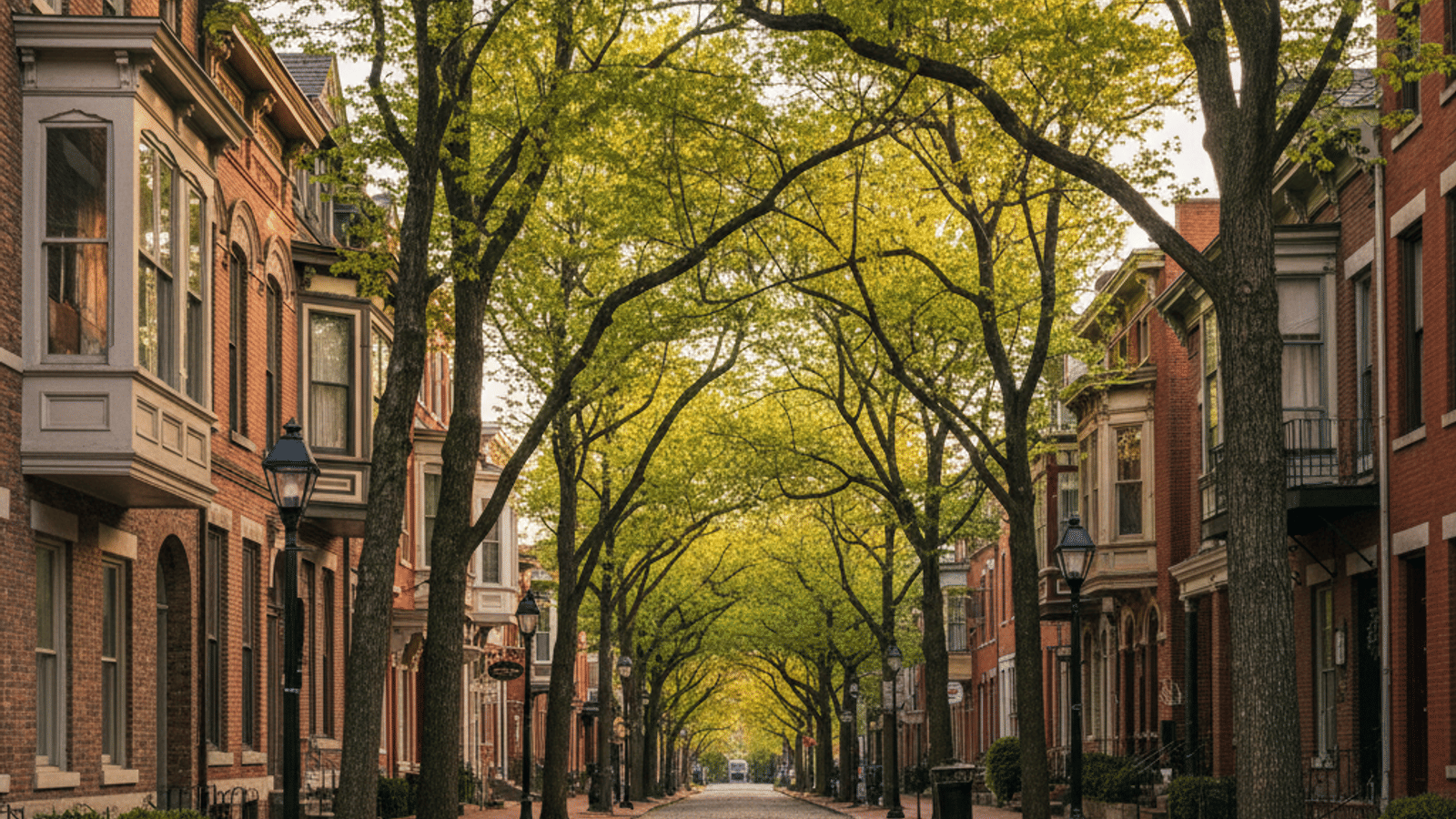
Germantown Germantown offers a beautiful blend of history and modernity with its brick sidewalks and preserved Victorian buildings. It boasts one of the best dining scenes in the city and is just a stone's throw from downtown. It is a great option if you want urban living with a bit more historic charm and character.
Green Hills If you are looking for something more upscale with plenty of shopping options, Green Hills might be your speed. It is home to the Mall at Green Hills and offers spacious properties on quiet, tree-lined streets. Traffic here can be heavy, but the access to luxury amenities makes it a top choice for many.
Sylvan Park Sylvan Park is known for its strong local community and cottage-style homes. It is a fantastic spot if you enjoy outdoor access, as it connects easily to local greenways and parks. The neighborhood has a relaxed, local feel with plenty of independent restaurants tucked away on residential corners.
The Nashville Job Market and Key Industries
The local economy is robust, and unemployment rates here consistently stay low, often hovering around 2.5%. While music made the city famous, the job market is surprisingly diverse. You don’t have to play a guitar to find a great career here.
Healthcare is actually the massive engine driving much of the region's growth. With giants like HCA Healthcare headquartered here and Vanderbilt University Medical Center employing thousands, it is the single largest industry in the area. If you work in medical tech, administration, or patient care, you will find ample opportunity.
Tech and corporate sectors are also expanding rapidly. Companies like Amazon, Oracle, and Asurion have made significant investments in downtown hubs, bringing a wave of tech jobs that is growing faster than the national average. Meanwhile, manufacturing and logistics remain strong staples—thanks to Nissan’s nearby presence and Nashville's central location for distribution—ensuring a balanced economy that isn't reliant on just one sector.
Lifestyle and Culture: Living in Music City
Living here means you never really run out of things to do. The moniker "Music City" is well-earned, but it isn't just about country twang. On any given night, you can find rock, jazz, blues, and indie pop pouring out of venues like the Ryman Auditorium, local honky-tonks, or small listening rooms. Live music is simply part of the background noise of daily life.
The food scene has also exploded in recent years. While we are famous for Nashville Hot Chicken and the traditional "meat and three" cafeterias, fine dining is booming. You can find James Beard award-winning chefs and innovative culinary concepts right alongside the classic Southern comfort food joints.
Sports fans have plenty to cheer for with the Tennessee Titans (NFL) and the Nashville Predators (NHL) playing right downtown. If you prefer participating over watching, the outdoor access is excellent. Weekends often involve trips to Percy Priest Lake, hiking around Radnor Lake, or biking the extensive greenway systems that crisscross the county.
Getting Around: Traffic and Transportation
We have to be honest about the commute: Nashville is primarily a car-dependent city. While we have a public transit system called WeGo, its reach is somewhat limited compared to cities with established rail networks. Most residents rely on their personal vehicles to get around.
Traffic congestion is a genuine issue, especially as the population has grown. Rush hour on major arteries like I-24, I-65, and I-40 can be slow, and Nashville often ranks high for congestion among mid-sized cities. It is something you simply have to plan for if you are driving during peak times.
Walkability is high in specific neighborhoods like The Gulch, Downtown, or parts of Germantown, but moving between neighborhoods usually requires wheels. The best advice for newcomers is to try to live on the same side of town as you work. Crossing the city during rush hour can add significant stress to your day, so location strategy is key.
Education and Schools in Nashville
When it comes to education, the region offers a wide mix of choices. Metro Nashville Public Schools in Nashville (MNPS) serves the entire county, offering various zoning options and magnet programs. Outside of the public system, there is a very strong presence of private and charter schools throughout the area, giving residents plenty of pathways to consider.
Nashville is often called the "Athens of the South," a nickname that nods to the high concentration of higher education institutions. We are home to Vanderbilt University, Belmont, Fisk, and Tennessee State University. This proximity to major universities adds a layer of vibrancy to the city, contributing to the local culture, arts, and lecture circuits.
Weather: What to Expect Year-Round
One of the nice things about Tennessee is that you get to experience four distinct seasons. Summers are undeniably hot and humid, with high temperatures often climbing into the 90s. You will definitely want air conditioning and access to a pool or lake during July and August.
Winters are generally mild compared to the Midwest or Northeast. We do get the occasional ice storm or light dusting of snow, but it rarely sticks around for long. It is enough to make things pretty for a day, but usually not enough to shovel.
Spring and fall are the sweet spots, offering beautiful temperatures and colorful foliage. However, spring brings storm season, so keeping an eye on the weather forecast is a local habit. Also, newcomers should be aware that Nashville is frequently ranked as a challenging city for seasonal allergies, so you might want to stock up on antihistamines when the pollen counts rise.
Pros and Cons of Moving to Nashville
Deciding to move is a big step, so here is a quick breakdown of the trade-offs to help you weigh your options.
Pros:
- No state income tax puts more money in your pocket.
- A booming job market with diverse opportunities in tech and healthcare.
- An incredible cultural scene with world-class music and dining.
- A generally friendly and welcoming Southern atmosphere.
Cons:
- Housing costs have risen significantly and are higher than in the past.
- Traffic can be heavy and frustrating, especially during rush hour.
- The city is very car-dependent with limited mass transit.
- Summers are hot and humid, which can be an adjustment.
For most people, the verdict is positive. If you are seeking career growth and a vibrant culture, Nashville is an ideal landing spot—as long as you budget realistically for housing and plan your commute carefully.
Frequently Asked Questions
Is it expensive to live in Nashville, TN?
It is becoming more expensive than it used to be, but it is still generally more affordable than major coastal cities. While costs are higher than in rural Tennessee, the overall cost of living hovers near the national average, with housing being the largest variable.
What salary do you need to live comfortably in Nashville?
To live comfortably as a renter, a common benchmark is an annual salary between $70,000 and $80,000. This allows you to afford the average one-bedroom apartment while having enough left over for utilities, transportation, and enjoying the local lifestyle.
Does Nashville have good public transportation?
Public transportation is not a strong suit here; the WeGo bus system exists but has limited routes and frequency. Most residents find that owning a car is essential for commuting and getting around the city efficiently.
What are the safest areas to live in Nashville?
Safety can vary block by block in any growing city, so it is smart to check current crime statistics and visit neighborhoods at different times of day. Generally, areas like Green Hills, Sylvan Park, and parts of Germantown are popular for their residential feel and community activity.
How bad is the traffic in Nashville?
Traffic is a significant daily challenge, particularly on interstates like I-24 and I-65 during morning and evening rush hours. It is one of the main downsides residents cite, so living close to your workplace is highly recommended to minimize commute times.