


Tennessee gives you two very different lives depending on which direction you drive on I-40. Buyers weighing living in Nashville, TN, against East Tennessee are really weighing two different versions of what they want - and the choice usually comes down to budget, commute tolerance, and how much city you actually need. Both markets have shifted meaningfully over the past few years, and what worked as a search strategy in 2021 doesn't necessarily work now.
Nashville is the larger metro with the larger price points to match. Knoxville runs on a different engine - the university, the Smokies, a tighter geographic footprint - and it prices accordingly. Knowing the inventory levels and typical timelines in each market before you start touring saves a lot of wasted Saturdays.
Home Prices and Market Pace
Nashville's median home sale price sits around $483,100. That number drives everything downstream - your down payment, your monthly payment, your debt-to-income ratio. For those moving to the Nashville area, there are currently about 4,892 homes on the market, which translates to roughly 5.4 months of supply. Homes are averaging 59 days on market, and sellers are collecting about 98% of asking price. About 15% of listings are still going above list, so "slower market" doesn't mean "no competition" - well-priced homes at attractive price points still draw multiple offers.
Knoxville's entry point is generally lower, though it varies by neighborhood. Buyers coming from Nashville routinely find their budget goes further in East Tennessee - larger lots, newer construction, or simply more breathing room in the monthly payment.
Neighborhood Styles and Housing Options
Nashville's inventory runs the full spectrum: downtown condos, century-old bungalows in East Nashville, suburban subdivisions out in Williamson or Rutherford County. The metro's sheer size means you're really choosing between several different cities depending on which zip code you land in. Walkable, mixed-use blocks near the urban core feel nothing like the traditional subdivisions twenty miles out, and buyers need to decide early which neighborhoods in Nashville they're shopping for.
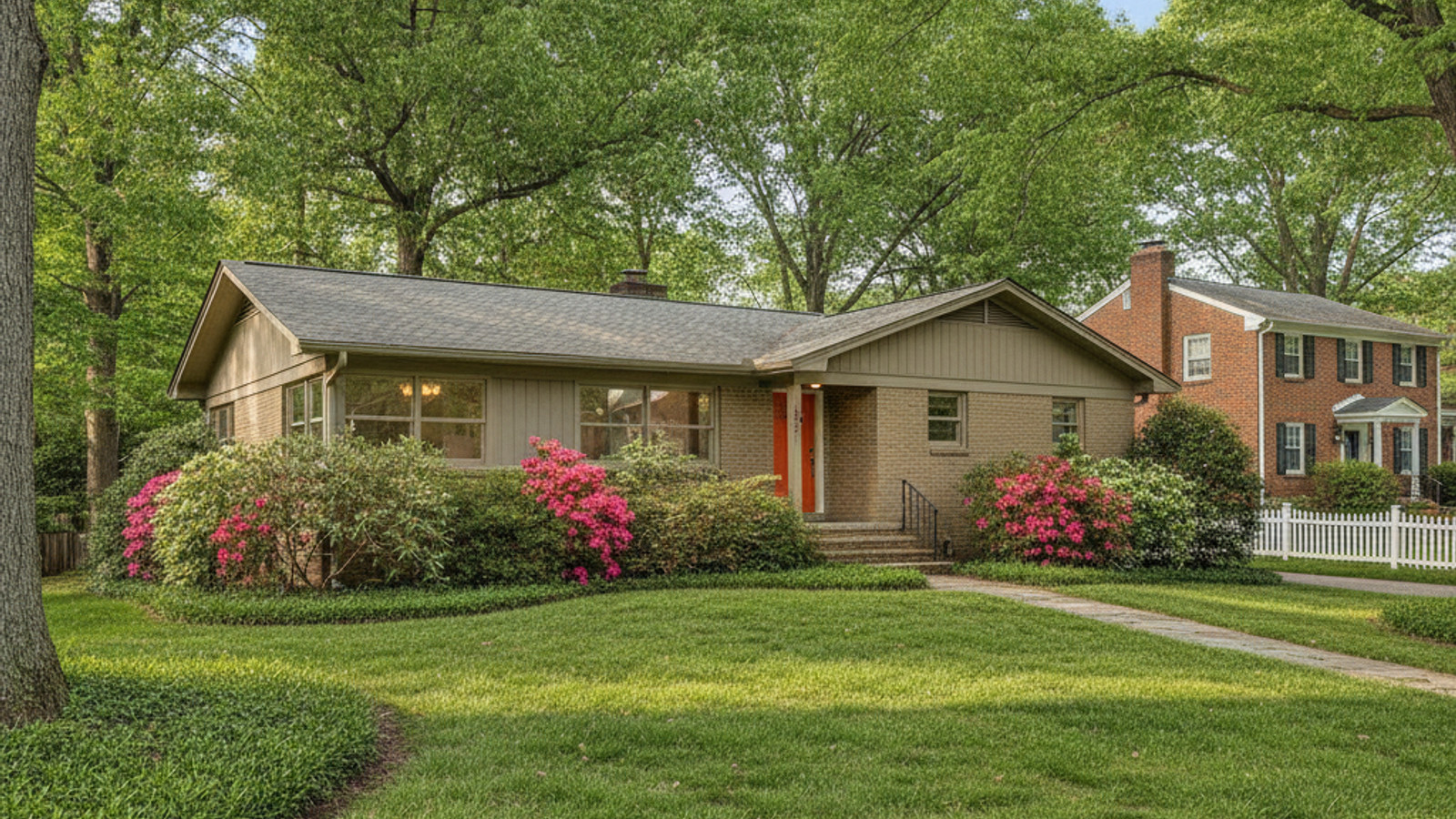
Knoxville's layout is shaped by its geography. The Tennessee River and the ridgelines don't move, and the neighborhood boundaries follow them. Downtown and the historic districts around it attract buyers who want older homes with character. The established suburban rings offer mid-century ranches and split-levels that have held their bones well. The university's presence creates a steady secondary market - townhomes and investment properties near campus that see consistent buyer and renter demand regardless of what the broader market is doing.
Commutes and Local Infrastructure
Nashville runs on a spoke-and-hub interstate system - I-40, I-65, and I-24 - and the traffic patterns spread well beyond the Davidson County line. If you're buying in a neighboring county to get a lower price, budget 30 to 45 minutes each way during peak hours. That's not a worst-case estimate; that's a Tuesday.
Knoxville's main corridors are I-40 and I-75, with the downtown interchange handling a disproportionate share of the volume. Average commute times in Knoxville generally run shorter than Nashville's, but crossing the river or driving through the university district on a game day is its own experience. Map your actual daily route - to work, to school, wherever you're going - before you make an offer in either city. A house that looks like a ten-minute commute on a Sunday afternoon can feel very different on a Wednesday morning.
Frequently Asked Questions
How much more expensive is buying a house in Nashville compared to Knoxville?
Nashville's median sale price runs around $483,100. Knoxville's median tends to come in lower, which means the same budget buys more square footage in East Tennessee. The gap is real and it's worth running the actual numbers for the neighborhoods you're considering, not just the city-wide medians.
Is buying a home in Nashville a better long-term investment than Knoxville?
That depends entirely on what you mean by "better." Nashville's larger economy, strong Nashville job market, and population base generate steady housing demand. Knoxville's lower upfront costs and consistent buyer interest - anchored by the university and regional healthcare systems - make its own case. Neither answer is wrong; they're just answers to different questions.
How do property taxes in Nashville compare to Knoxville for homeowners?
Tennessee has no state income tax, which benefits buyers in both cities. But local property tax rates are set at the county and city level, and they differ. Don't budget off a general estimate - look up the actual tax rate for the specific address you're considering before you calculate your monthly payment.
Will I face more bidding wars buying a home in Nashville than I would in Knoxville?
In Nashville, about 15% of homes are selling above list price and the average days on market is 59. Knoxville sees multiple offers on well-priced homes in popular areas too. The honest answer is that competitive offers are possible in either market depending on price point and neighborhood - you should be prepared to move in both places.
If I am priced out of Nashville, does Knoxville have neighborhoods with a similar feel?
Yes. Knoxville has walkable historic districts near downtown with renovated older homes, local restaurants, and coffee shops - the kind of urban neighborhood feel that draws buyers to Nashville's older areas in the first place. You can find a comparable lifestyle at a lower price point; it just requires knowing where to look.
What is the best way to time selling a house in Knoxville to buy in Nashville?
Work backward from Nashville's 59-day average market time and list your Knoxville home with enough runway to make that timeline work. A rent-back agreement with your Knoxville buyer buys you extra flexibility to close on the Nashville side without a gap in housing. The two closings need to align - that coordination is where deals fall apart, so build the schedule before you're under pressure.