


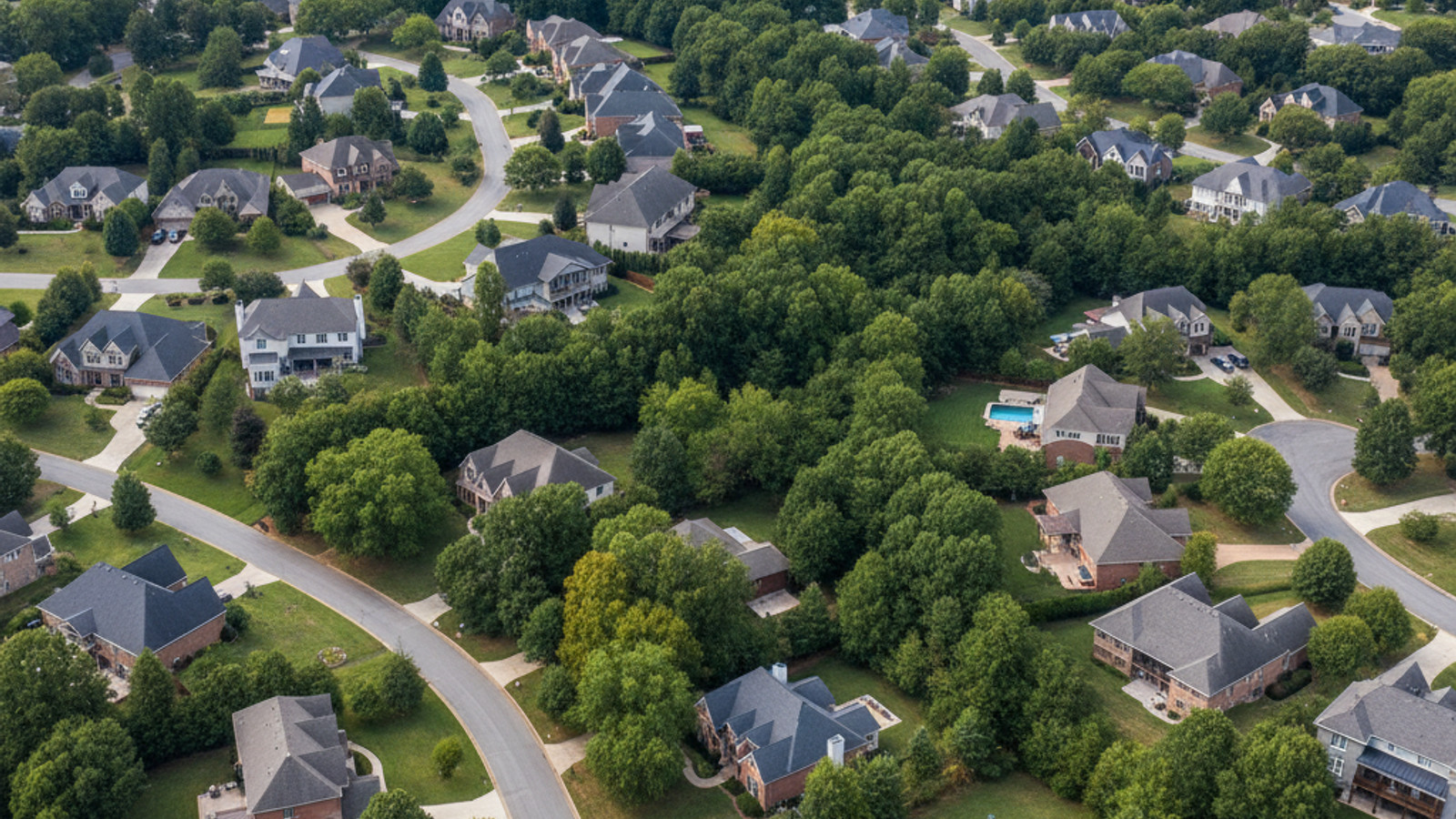
Welcome to Nashville, where the vibrant real estate market is closely tied to the distinct seasons. Understanding the weather and climate in Nashville TN is essential for anyone looking to buy a home or invest in Davidson County during 2026. The local environment dictates everything from seasonal utility costs to the physical resilience required of a property.
Buyers who grasp these regional patterns are better equipped to negotiate timelines and schedule crucial inspections. Relocating to Middle Tennessee means adapting to a dynamic climate that shifts noticeably throughout the year. Knowing what to expect from the skies above will help you make a much more confident real estate decision.
The Humid Subtropical Climate of Nashville, Tennessee
Middle Tennessee falls under the Köppen classification of a humid subtropical climate. This means residents experience four distinct seasons, characterized by hot summers and relatively mild winters. Average annual precipitation sits roughly around 47 to 49 inches, providing plenty of moisture for the region's lush landscapes.
The area generally sees about 208 sunny days per year, which is slightly above the national average. However, the geography surrounding the Cumberland River heavily influences local humidity levels and frequently produces morning fog. My advice for buyers is to carefully evaluate a home's exterior drainage, as managing this constant moisture is crucial for preserving a foundation over time.
Spring: Rapid Market Activity and Scattered Thunderstorms
Spring temperatures typically climb from the low 60s in March to the low 80s by May. This warming trend brings heavy rainfall, cloudy skies, and a noticeable increase in scattered thunderstorms. Buyers touring properties will want to bring an umbrella and watch how water pools on driveways.
The blooming flora triggers local allergies, but it also sparks peak spring real estate market activity. Buyers should expect heightened competition and faster property showings during these months. Navigating the rain is simply part of the typical spring house-hunting experience in TN.
Summer: High Heat, Humidity, and Outdoor Living
July and August deliver intense heat and high humidity, with average highs hovering around 89 degrees Fahrenheit. These conditions make robust HVAC systems an absolute necessity rather than a luxury. Touring homes in the middle of summer will quickly reveal which properties lack adequate cooling power.
Homeowners will see higher utility costs during this season, but the longer daylight hours offer great opportunities to enjoy Percy Priest Lake or Centennial Park. Buyers touring homes in the summer should always ask for recent utility bills. This simple step helps gauge the true efficiency of the property's climate control systems.
Fall: The Dry Season and Optimal Moving Conditions
September through November brings a welcome drop in humidity and cooler, more temperate conditions. Temperatures steadily decline from the 80s in early September down to the upper 50s by late November. The crisp air provides a significant relief after the heavy heat of the summer months.
Autumn stands out as the driest season on average in Middle Tennessee. This makes it the absolute best time of year for scheduling physical moves, exterior home inspections, and major roof replacements. You can tackle major outdoor renovations without the constant threat of unpredictable rain delays.
Winter: Mild Temperatures and Occasional Snowfall
Winter in Nashville is relatively mild, though January serves as the coldest month with average lows dipping to around 27 to 30 degrees Fahrenheit. The region sees an average annual snowfall of just 4 to 6 inches. Heavy winter gear is rarely needed for long stretches of time.
While these occasional winter storms can briefly disrupt city services, they rarely cause long-term issues. Real estate inventory traditionally drops during these colder months as sellers pull their listings. However, buyers willing to brave the chill often face significantly less competition and more flexible sellers.
Navigating Severe Weather Risks in Middle Tennessee
Extreme weather is a reality in this region, and buyers must factor these risks into their purchasing decisions. The primary severe weather threats include tornadoes, damaging winds, large hail, and sudden flash floods. The primary tornado season runs from March through May, with a secondary peak occurring in November.
The physical geography of Davidson County also presents specific flood risks, especially for properties situated near the Cumberland River. When evaluating a home, buyers must prioritize properties with modern architectural resilience and proper lot grading. Recognizing these risks early prevents costly surprises and ensures a much more secure long-term investment.
Home Maintenance and Insurance Considerations
Protecting a property in this climate requires proactive upkeep and the right financial safeguards. Buyers need to understand how local weather impacts their insurance policies and seasonal chores before closing. Failing to plan for these expenses can strain a new homeowner's budget.
Managing a home here means staying ahead of the elements year-round. Here are the key maintenance and insurance priorities for local homeowners:
-
Review standard homeowners insurance policies carefully, as wind and hail damage often carry specialized deductibles in TN.
-
Check FEMA flood maps before purchasing, keeping in mind that standard policies do not cover flood damage and may require separate National Flood Insurance Program coverage.
-
Schedule bi-annual HVAC servicing to handle the extreme summer heat and mild winter shifts efficiently.
-
Clear gutters frequently and inspect roofs for storm damage to prevent water intrusion during heavy spring downpours.
How Local Weather Patterns Impact the Nashville Real Estate Market
The real estate cycle in Middle Tennessee is heavily dictated by the local climate. Inventory consistently peaks during the warm spring and summer months, which accelerates the average days on market to their fastest pace between May and July. Buyers entering the market during this window must be prepared to make swift, well-informed offers.
Severe weather events can also directly impact the logistics of buying a home. High winds or sudden flash floods frequently delay closing timelines due to postponed appraisals or mandatory post-storm re-inspections. My strongest recommendation is to leverage the slower winter months to negotiate better terms, as sellers are often highly motivated when the weather keeps casual buyers away.
Frequently Asked Questions
What are the average monthly temperatures in Nashville, TN?
Temperatures range from average lows of 27 degrees Fahrenheit in January to highs of around 89 degrees in July. The transitional seasons of spring and fall offer temperate conditions typically spanning the 60s and 70s. Reviewing historical utility costs for a property helps buyers anticipate the financial impact of these seasonal shifts.
Is Nashville in the tornado zone?
Yes, the region experiences severe weather and sits within an area prone to tornadoes. The highest risk occurs during the spring months of March through May. Homebuyers should prioritize properties with sturdy foundations and consider identifying interior storm shelters during their home tours.
Does it snow in Nashville?
The city does experience winter precipitation, but accumulations remain quite low. Residents typically see an average annual snowfall of roughly 4 to 6 inches. These light winter events can temporarily pause local transit, but they rarely cause prolonged disruptions to daily life.
What is the best time of year to buy a house in Nashville, TN?
Autumn provides the most comfortable weather for extensive property tours and exterior home inspections. However, buyers looking for the widest selection of inventory should target the bustling spring market. Those seeking maximum negotiating leverage often find the best opportunities during the quieter winter months.