


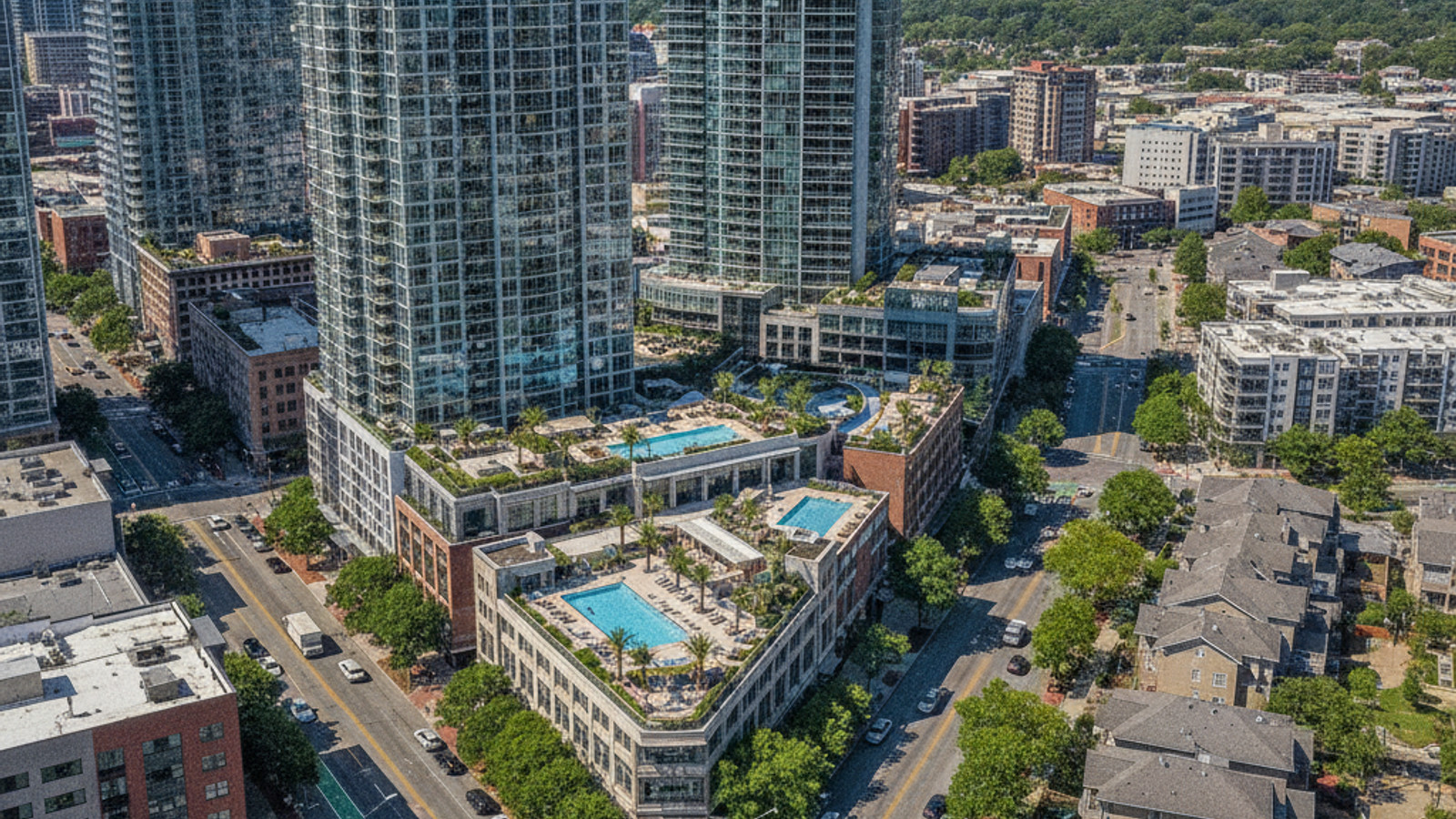
Nashville's urban core has transformed into a major destination for high-rise condo buyers. The decision often comes down to The Gulch vs Downtown Nashville, two distinct areas offering different styles of city living. Both neighborhoods provide immediate access to the city's major employment centers and entertainment districts.
Condominium prices in the central business district hover around $800,000, while premium units regularly exceed the $1.5 million mark. Buyers looking at these zip codes will find a mix of new glass towers, converted industrial spaces, and mid-rise developments. Choosing between them requires looking closely at daily routines, HOA structures, and parking availability.
Property Types and Pricing Variations
The housing inventory in both neighborhoods consists almost entirely of condominiums, but the architectural styles differ. Downtown Nashville features a mix of historic loft conversions along 2nd Avenue and newer luxury towers near the riverfront. These older buildings often feature exposed brick, original hardwood floors, and unique floor plans.
The Gulch is a master-planned development built primarily over the last two decades. Buyers here will find sleek, modern high-rises with floor-to-ceiling windows and extensive amenity decks. Prices in The Gulch generally carry a premium, with the median price per square foot remaining among the highest in Davidson County.
High-Rise Amenities in The Gulch
Buildings in this LEED-certified neighborhood prioritize resort-style amenities. Rooftop pools, 24-hour concierge services, and private fitness centers are standard expectations for buyers here.
Recent developments have pushed the boundaries of luxury living. Many newer towers include pet spas, co-working spaces, and private dog runs. Buyers should review the association documents to understand exactly what services these monthly fees cover.
Historic and Modern Blends in Downtown
The central business district offers a stark contrast with its adaptive reuse projects. Buyers interested in industrial character tend to focus their search near the Cumberland River. These units often feature lower monthly fees since they lack the expansive amenity decks found in newer towers.
New construction has also entered the Downtown market, particularly near the Fifth + Broadway development. These newer buildings provide modern conveniences while keeping residents steps away from historic landmarks. The mix of old and new gives buyers more variety in building styles.
Transportation and Daily Commutes
Traffic patterns vary wildly between these two adjacent districts. Downtown Nashville forms the hub of the city's street grid, meaning residents regularly deal with road closures for events and heavy tourist traffic. Most major employers are within a short walk, reducing the need for a daily driving commute.
The Gulch sits just south of the central business district, bordered by Interstate 40 and Interstate 65. This position provides immediate highway access for professionals commuting to Brentwood or Franklin. The neighborhood's linear street layout generally keeps traffic moving more predictably than the dense Downtown grid.
Parking Realities
Deeded parking is a premium asset in Nashville's urban core. Most modern towers in The Gulch include at least one secure garage space with a one-bedroom unit. Two-bedroom condos often come with tandem or side-by-side spots.
Downtown buyers need to look closely at listing details regarding parking. Some historic lofts do not include deeded parking, requiring owners to lease spaces in nearby municipal garages. You should confirm parking arrangements and monthly lease costs before submitting an offer.
Walkability and Transit
Both neighborhoods score well for pedestrian access to daily necessities. Downtown residents can walk to multiple grocery options, including the massive urban market at Fifth + Broadway. The area also serves as the central hub for the WeGo public transit system.
The Gulch features wide sidewalks and dedicated bike lanes throughout the district. A large urban grocery store sits in the center of the neighborhood, making car-free living entirely possible. Pedestrian bridges connect the area directly to the neighboring South Broadway district.
Entertainment and Local Amenities
The daily atmosphere is the biggest differentiator between these two markets. Downtown Nashville is the city's primary tourism and entertainment engine. Lower Broadway draws millions of visitors annually to its multi-level music venues and restaurants.
The Gulch operates as an upscale retail and dining destination. While it attracts visitors, the crowds are generally smaller and more focused on high-end shopping or specific restaurant reservations. The energy here feels more like a planned luxury district than an entertainment hub.
Dining and Shopping Options
The Gulch is home to several of the city's most recognized independent boutiques and high-end chain retailers. Residents have immediate access to specialized fitness studios, boutique hotels, and upscale coffee shops.
Downtown provides a massive concentration of dining options, from casual honky-tonk food to high-end steakhouses. The addition of major retail developments has brought national clothing brands and large-scale entertainment venues to the urban core. Residents here live at the center of the city's largest events.
Green Spaces and Recreation
Access to outdoor space is a priority for many condo buyers. Downtown residents utilize Riverfront Park and the Cumberland River Greenway for running and cycling. The Ascend Amphitheater lawn provides open green space when concerts are not scheduled.
The Gulch connects directly to the downtown greenway system. The neighborhood also features smaller pocket parks and landscaped pedestrian walkways. Many residents rely on their building's private outdoor amenity decks for daily outdoor time.
Frequently Asked Questions
Which area has higher HOA fees?
The Gulch generally features higher monthly association fees due to the concentration of luxury high-rises. These buildings maintain expensive amenities like rooftop pools and full-time concierge desks. Historic Downtown lofts often have lower fees but offer fewer on-site facilities.
Are short-term rentals allowed in these neighborhoods?
Nashville, TN has specific zoning laws governing non-owner-occupied short-term rentals. While some specific buildings in both areas are zoned for them, most residential condo associations prohibit rentals under 30 days. Buyers should check the specific HOA declarations before purchasing an investment property.
Is parking included when buying a condo here?
Most condos in The Gulch include at least one deeded parking space in a secure garage. Downtown listings vary widely, with many historic buildings lacking on-site parking entirely. You should always confirm whether a spot is deeded, assigned, or leased from a third party.