


The median home price in Davidson County sits well above $480,000, pushing many buyers to look outside the city limits. Comparing Nashville, TN vs Gallatin, TN comes down to balancing daily commute times with long-term housing costs. Gallatin sits about 30 miles northeast of downtown Nashville and offers a distinct alternative to the urban core.
Sumner County has seen steady growth over the last five years, transforming Gallatin from a smaller rural town into a major residential hub. Buyers looking at both areas often weigh the immediate access to Nashville's job market against the larger lot sizes available in the suburbs. Deciding which side of the county line makes sense requires looking closely at daily driving routes and budget caps.
Comparing Home Prices and Property Types
Davidson County real estate carries a premium for proximity to the city center. Buyers in Nashville typically find a mix of dense infill construction, historic bungalows, and modern high-rise condos. A standard three-bedroom home within the city limits often requires a budget exceeding $550,000, especially in central neighborhoods.
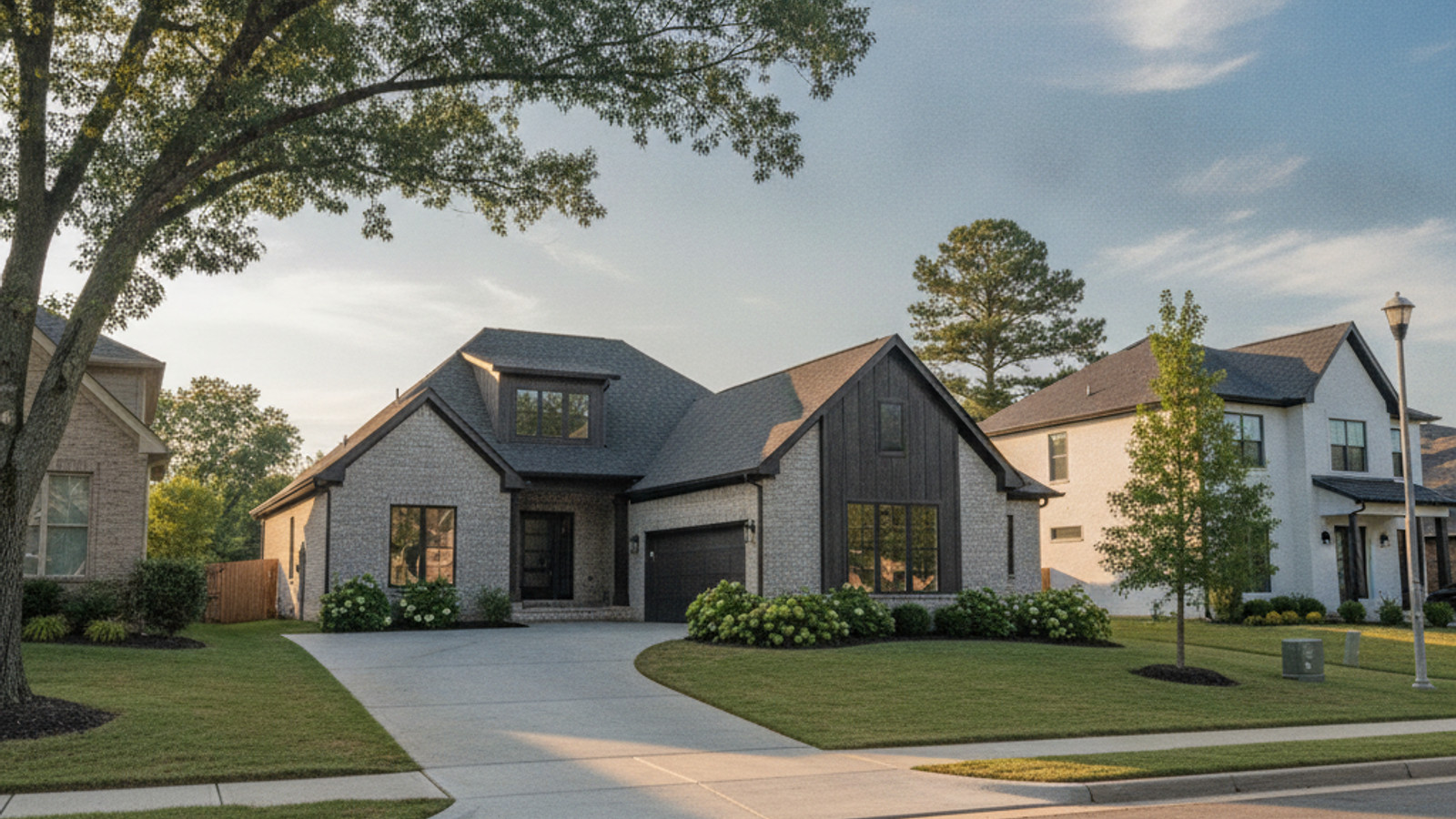
The housing landscape changes completely when you cross into Sumner County. The market in Gallatin features newer subdivision builds, larger single-family homes, and properties close to Old Hickory Lake. Buyers can often secure four bedrooms and a two-car garage in Gallatin for the same price as a smaller, older home in Nashville.
Property taxes also play a role in monthly payment calculations. Sumner County rates differ from Davidson County, altering the total carrying cost of a mortgage. Buyers should run specific tax estimates on any property they consider in either city.
Daily Commutes and Traffic Patterns
The drive from Gallatin into downtown Nashville covers roughly 30 miles. Most commuters rely on Vietnam Veterans Boulevard to connect with Interstate 65 South. During morning rush hour, this route frequently experiences slow-moving traffic near the interstate merge.
Living closer to the urban core reduces mileage, but cross-town traffic still impacts daily travel. Driving from one side of Nashville to the other can take 30 to 40 minutes even without highway driving. Buyers should map their specific route to work during peak hours before making a final decision.
The Impact of Remote Work
Hybrid schedules have shifted how buyers view the Sumner County commute. Driving into the city two days a week feels much more manageable than a daily five-day grind.
This shift has fueled demand in Gallatin over the past few years. Buyers are willing to trade a longer occasional drive for more square footage and a dedicated home office.
Entertainment, Dining, and Local Amenities
Nashville serves as the economic and cultural hub of Middle Tennessee. Residents have immediate access to major concert venues, professional sports, and an expansive culinary scene. Living in the city means you are never more than a short ride away from major events.
Gallatin offers a more localized set of amenities centered around outdoor recreation. Old Hickory Lake provides miles of shoreline for boating, fishing, and water sports. The downtown square in Gallatin features local restaurants and shops, providing a distinct community feel without the crowds of Broadway.
Choosing between the two often comes down to weekend priorities. Buyers who prefer live music and late-night dining tend to favor Nashville. Those who spend their weekends on the water or prefer relaxed evenings often lean toward Gallatin.
Frequently Asked Questions
Is it cheaper to live in Gallatin than Nashville?
Yes, housing costs are generally lower in Sumner County. Buyers typically get more square footage and larger lots in Gallatin for the same price they would pay closer to the city center.
How long does it take to drive from Gallatin to Nashville?
Without traffic, the drive takes about 35 minutes. During peak morning and evening rush hours, commuters should plan for 55 to 75 minutes each way.
Does Gallatin have good access to healthcare?
Sumner Regional Medical Center is located directly in Gallatin, providing emergency and specialized care. For major trauma or specialized treatments, residents still travel to the larger hospital networks in Nashville.