


The median home price in Nashville, TN sits around $480,000 as of mid-2026, while properties just 20 miles south in Franklin, TN command a median price closer to $850,000. This $370,000 price gap represents one of the starkest contrasts in the Middle Tennessee real estate market. Buyers weighing Nashville, TN vs. Franklin, TN face a choice between urban density and suburban expansion.
Inventory across the region has expanded since the frenzied bidding wars of previous years, giving buyers more time to weigh their options. With active listings up across both Davidson and Williamson counties, shoppers can compare different property types without the pressure of waiving inspections. Deciding between these two locations comes down to budget, daily commute tolerance, and preferred housing styles.
Comparing Property Prices and Housing Types
The financial baseline for entering these two markets looks very different in 2026. Nashville, TN offers a wider entry point, with condos and smaller single-family homes available in the $300,000 to $450,000 range. Buyers prioritizing a central location often trade square footage for proximity to employment centers and entertainment districts.
Franklin, TN requires a larger initial investment, driven largely by land values and the appeal of Williamson County Schools. The base price for a standard detached home in this area rarely falls below $650,000, and new construction easily pushes past the $1 million mark. Buyers should factor in higher property taxes and homeowner association fees when calculating their monthly payments in these suburban subdivisions.
What Buyers Find in Nashville
The Nashville, TN housing inventory includes everything from high-rise condos in The Gulch to historic craftsman homes in East Nashville. This variety allows buyers to find properties that fit specific aesthetic preferences and budgets. Attached housing options provide a more accessible price point for those who want to live near the city center.
Lot sizes in Davidson County tend to be smaller, especially in established neighborhoods where zero-lot-line builds have become common. Buyers seeking extensive yard space will likely need to look toward the outer edges of the city.
The Franklin Market Profile
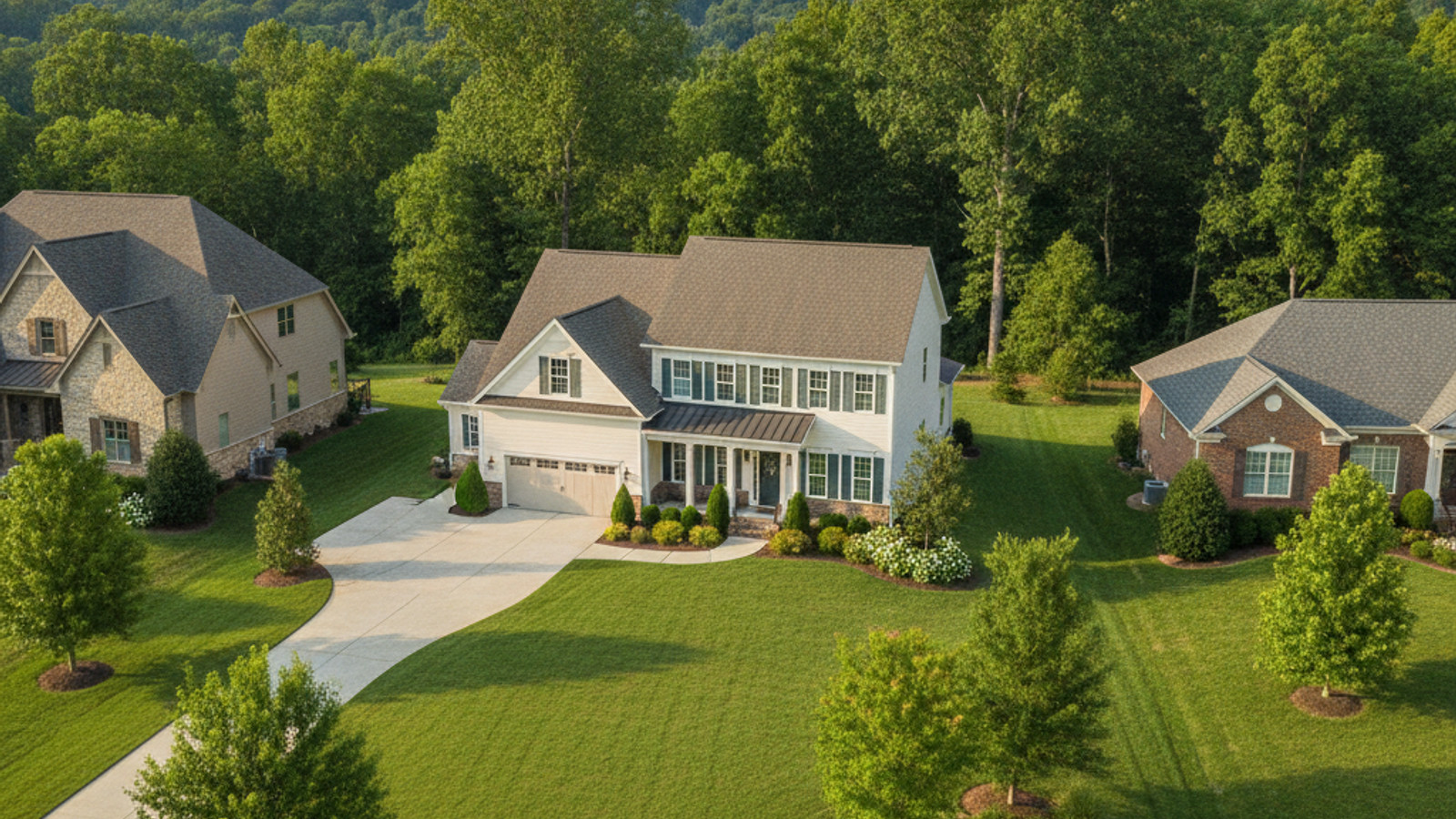
Housing in Franklin, TN centers mostly on single-family detached homes and large planned communities. Developments like Westhaven offer extensive amenities, including golf courses, walking trails, and private pools. These features come with higher monthly HOA dues that buyers must include in their debt-to-income ratios.
The historic downtown area features restored homes from the 1800s and early 1900s, which command premium pricing. Outside the historic core, newer subdivisions provide larger floor plans, multi-car garages, and half-acre lots.
The I-65 Commute and Daily Travel
The physical distance between downtown Nashville, TN and central Franklin, TN is only about 21 miles. On a weekend morning, drivers can complete the trip along Interstate 65 in roughly 25 minutes. However, daily commuters experience a much different reality during the workweek.
Traffic patterns along the I-65 corridor dictate the daily schedule for thousands of Middle Tennessee residents. With public transit options remaining limited between the two cities, relying on a personal vehicle is a requirement. Buyers should test the drive during their expected commuting hours before submitting an offer on a home.
Driving During Peak Hours
Morning traffic heading north into Davidson County routinely extends the 21-mile trip to 45 minutes or more. The evening return trip south into Williamson County often faces similar delays, especially near the exits for Brentwood, TN. Accidents or road construction can easily push the commute past the one-hour mark.
Buyers working standard office hours should factor this lost time into their weekly routine. Some residents mitigate the drive by utilizing flexible work schedules or negotiating remote work days.
Local Employment Hubs
A move to Franklin, TN does not automatically require a daily drive into the city center. The Cool Springs commercial area serves as a major corporate center for healthcare and automotive companies. Residents who work in Cool Springs often enjoy commutes of under 15 minutes.
Nashville, TN retains the bulk of the region's tech, finance, and entertainment industry headquarters. Buyers employed in these sectors will find living in Davidson County removes the highway commute entirely.
Lifestyle and Local Amenities
Nashville, TN operates with the energy of a major metropolitan hub, hosting professional sports teams, large concert venues, and an extensive culinary scene. The city supports a continuous calendar of events that draw tourists and locals alike. Residents have immediate access to major attractions like Bridgestone Arena and the Ryman Auditorium.
Franklin, TN offers a quieter pace centered around its historic Main Street and local parks. The city preserves its historic architecture and enforces zoning laws to control commercial development. Residents trade the late-night entertainment of a major city for weekend festivals and walkable historic districts.
Dining and Entertainment Options
Davidson County features diverse dining options ranging from casual hot chicken spots to high-end tasting menus. Neighborhoods like 12 South and Germantown provide concentrated areas of restaurants and bars that stay open late. Buyers seeking constant access to live music and nightlife will prefer this side of the border.
The culinary scene in Franklin, TN revolves around the historic downtown square and the Factory at Franklin. While the area offers excellent independent restaurants and coffee shops, the nightlife options are limited compared to the urban core. Most establishments in Williamson County close earlier in the evening.
Outdoor Recreation and Parks
Nashville, TN maintains an extensive greenway system that connects various neighborhoods and parks across the city. Centennial Park and Shelby Bottoms offer large paved trails for running and biking within the urban footprint.
Franklin, TN provides access to expansive open spaces like Harlinsdale Farm and the Natchez Trace Parkway. The terrain features rolling hills and dense tree coverage, appealing to buyers who prioritize outdoor aesthetics.
Frequently Asked Questions
Is it cheaper to live in Nashville, TN or Franklin, TN?
Overall housing costs are lower in Davidson County, where buyers can find entry-level condos under $400,000. In contrast, securing a home in Williamson County requires a larger down payment and higher monthly reserves for neighborhood association dues. Daily expenses like groceries and gas remain comparable across both municipalities.
Do I need a car in Middle Tennessee?
Yes, vehicle ownership is a hard requirement for residents in this region. While Davidson County operates a bus network, routes do not extend far enough south to serve Williamson County commuters. Daily errands, school drop-offs, and grocery runs all require driving.
How long does it take to commute from Franklin, TN to Nashville, TN?
A clear drive down Interstate 65 takes less than half an hour, but weekday congestion changes the math entirely. Anyone driving north toward the city center at 7:30 AM should plan to spend nearly an hour in the car. Checking a GPS app during your actual departure time will provide the most accurate estimate for your specific address.