


Finding the Best Real Estate Agent in Nashville, TN for Your 2026 Move
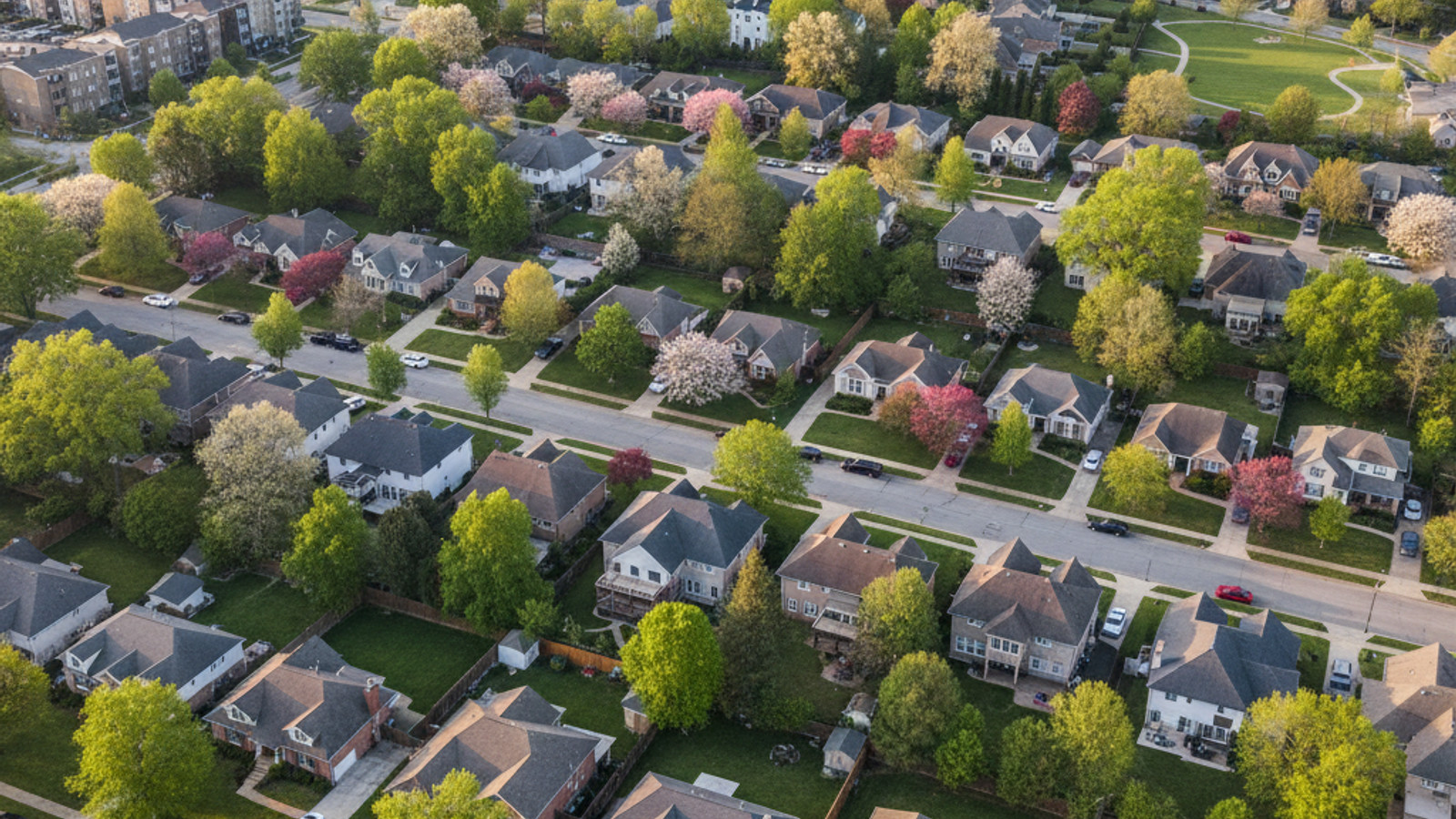
Middle Tennessee currently holds over 11,000 active home listings as of May 2026. That marks a multi-year high for housing supply in the region. Buyers have more options to tour, and sellers face tougher competition for buyer attention.
Working with the best real estate agent in Nashville, TN makes a clear difference in this environment. An experienced professional knows how to price homes accurately to avoid long days on the market. They also understand the nuances of local contracts and inspection timelines.
You should evaluate agents based on their recent local sales rather than just their advertising presence. Finding someone who matches your specific property goals will streamline your transaction. The right partnership ensures you understand the data driving your purchase or sale.
What to Look for in a Middle Tennessee Realtor
A solid track record of closed sales in your preferred zip codes is the clearest indicator of an agent's capability. An agent who routinely closes deals in Franklin might lack the same grasp of the downtown condo market. You should ask to see their recent transactions from the last twelve months.
Communication habits also define a successful working relationship. You should establish how often your agent will provide updates on new listings or feedback from property showings. Some buyers prefer daily text messages. Others want a weekly email summary.
Longevity in the business provides another useful metric for evaluating professionals. Many top producers bring 15 years of experience or more to the table. These agents have managed transactions through multiple economic cycles and understand how to handle unexpected appraisal issues.
Current Housing Supply and Prices Across the Region
The median sale price for a single-family home in the greater Nashville area sits around $500,000 this spring. Prices vary depending on proximity to the city center and the age of the property. New construction homes in suburban counties generally carry higher price tags than older, established properties.
The current inventory levels have shifted the balance of power during negotiations. With active listings ranging between 8,400 and 11,400 units across Middle Tennessee, buyers can often request repairs or closing cost credits. Sellers should prepare their homes thoroughly before listing to stand out among the crowded field.
Market behavior also splits depending on the style of housing you pursue. Understanding these categories prevents buyers from applying broad market statistics to niche property types.
-
Downtown Condos: High-rise units near the urban core often see longer days on market and require specialized lending products.
-
Suburban Single-Family Homes: Properties in areas like Wilson or Williamson counties tend to move faster due to demand for larger lots.
-
Townhomes: Attached dwellings offer a middle ground for buyers prioritizing lower exterior maintenance and proximity to commercial centers.
Reviewing these local trends with a professional ensures your initial offer aligns with current data. You avoid overpaying in a soft segment or underbidding on a high-demand property.
Why Neighborhood Knowledge Matters
Commute times dictate many real estate decisions in Davidson County and the surrounding areas. A local agent understands the daily traffic patterns along major routes like I-65, I-40, and I-24. They can tell you how a 10-mile drive might take 20 minutes from one direction and 45 minutes from another.
Distance to major employers and regional healthcare facilities often shapes property values. Buyers frequently prioritize easy access to corporate hubs or major medical centers. Your agent should be able to map out these distances and explain how they impact local demand.
Feature-based maps help narrow down the search for buyers with specific lifestyle requirements. You can filter properties based on their proximity to public parks, greenways, and specific school district boundaries. A local expert uses these tools to find homes that align with your daily routine.
The Mechanics of Buying and Selling Here
Real estate transactions in Tennessee follow specific state-level procedures. Buyers and sellers typically sign standard representation agreements drafted by the state association of realtors. These documents outline the duties of the agent and the commission structure for the transaction.
Tennessee law mandates that sellers must provide a property condition disclosure to buyers before finalizing a contract. This document lists known defects, age of systems, and details about any homeowner association fees. Buyers should review this disclosure alongside a professional home inspection.
Closing costs represent a notable expense at the end of the transaction. Factoring these numbers into your budget early prevents financing issues on closing day.
-
Seller Costs: Sellers typically pay around 3% of the purchase price in closing fees, excluding agent commissions.
-
Buyer Costs: Buyers generally expect to pay between 2% and 5% of the loan amount for origination fees, appraisals, and title work.
-
Transfer Taxes: Tennessee charges a recordation tax on deeds, which is customarily paid by the buyer at closing.
Knowing these figures upfront prevents unexpected financial surprises at the closing table. You can ask your lender for a detailed estimate of these charges during the pre-approval stage.
Common Questions About Tennessee Real Estate
What is the difference between a real estate broker and an agent in Tennessee?
An agent holds a license to facilitate property sales under the supervision of a managing broker. A broker has completed additional education and licensing requirements, allowing them to operate their own firm. Both professionals can represent you during a transaction, but the broker carries the ultimate legal responsibility for the brokerage's activities.
How much do real estate agents charge in Nashville?
Commissions typically range from 5% to 6% of the home's final sale price. The seller traditionally pays this total fee out of their proceeds, which is then split between the listing brokerage and the buyer's brokerage. You should discuss exact percentages directly with your agent before signing a listing agreement.