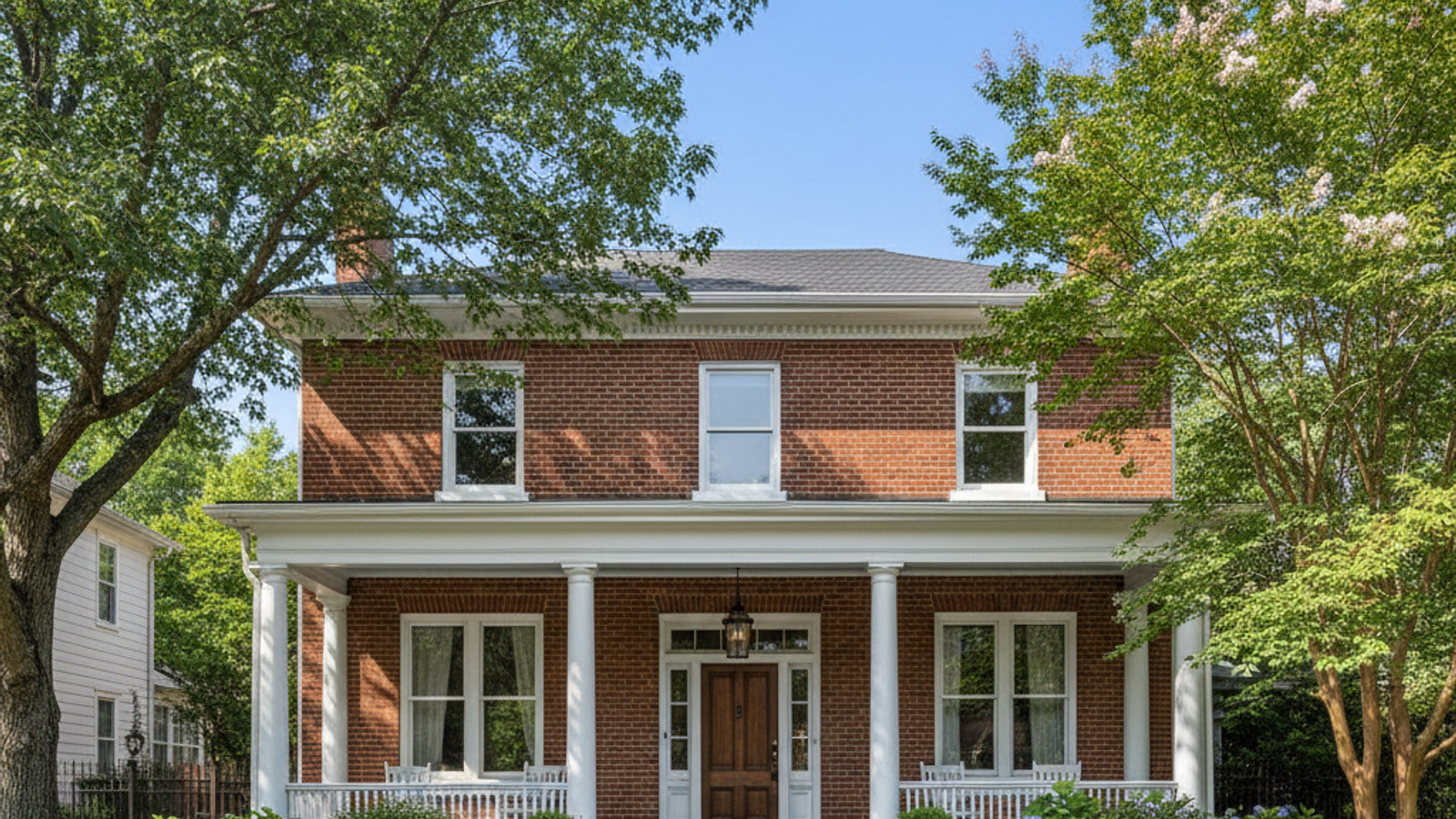
Preparing a property for the market requires a strategic approach to stand out against the competition. As the local housing supply normalizes throughout 2026, buyers are becoming much more selective about the properties they choose to tour.
Presenting a clean, well-appointed space is the most effective way to capture buyer attention online and during open houses. Implementing the right home staging tips Nashville TN real estate agents recommend will help you command top dollar and secure a faster closing.
The State of the Nashville Real Estate Market in 2026
The days of listing a bare, unprepared house and receiving multiple offers on the first weekend are largely behind us. As inventory levels have stabilized throughout 2026, prospective buyers now have the leverage to be patient. Nashville's median days on market currently hovers around 50 to 70 days, meaning an unstaged home runs the risk of sitting stagnant.
Staged properties consistently stand out in the MLS, capturing the visual interest necessary to drive foot traffic. A well-staged home translates directly into a faster transaction because buyers can immediately visualize the property's potential. Sellers must view staging not as an expense, but as a mandatory marketing tool for a successful sale.
The financial benefits of this preparation are substantial and measurable. Average whole-home staging costs in the area range between $1,500 and $4,000 for the first month of a listing. Sellers typically see a 5% to 15% return on investment from professional staging, making it one of the most profitable decisions you can make before listing.
Tailoring Your Staging to Nashville Property Types
A one-size-fits-all approach to interior design rarely works across the diverse neighborhoods of Davidson County. Historic homes in areas like East Nashville require a staging strategy that highlights original architectural details. You should emphasize original hardwood floors, classic fireplaces, and period-appropriate decor to complement the property's character.
Conversely, new construction condominiums in the downtown core demand a completely different aesthetic. These urban units rely on maximizing natural light, utilizing minimal neutral colors, and showing off highly functional living spaces. The target demographic for these properties is often focused on convenience and modern finishes.
Pricing also dictates the level of staging required for these different property types. Single-family homes typically carry a median price around $500,000, while downtown condos range widely from $350,000 to over $800,000 depending on the building and floor plan. For urban units, staging must clearly highlight objective features like proximity to major employment hubs, public transit routes, and local dining amenities.
Room-by-Room Staging Checklist for Maximum Impact
Staging efforts should always focus on the rooms that heavily influence buyer decisions, rather than spreading your budget equally across the entire house. The living room, kitchen, and master bedroom are consistently the most scrutinized areas during open houses. These are the spaces where buyers spend the most time evaluating the quality and flow of the property.
The overarching goal in these priority areas is to create spacious, neutral environments. You want prospective buyers to easily envision their own lives and furniture fitting seamlessly into the floor plan. Removing personal distractions allows the architectural features and square footage of the home to take center stage.
Kitchen and Dining Areas
The kitchen is often the deciding factor for a buyer, so it requires meticulous preparation. Using a targeted approach here ensures the space feels modern, functional, and exceptionally clean.
-
Clear the countertop of all small appliances to showcase the maximum amount of available prep space.
-
Ensure extreme cleanliness, paying special attention to cabinetry, backsplashes, and the interior of the refrigerator.
-
Add subtle, tasteful decor such as a bowl of fresh fruit or a simple plant to introduce color without creating clutter.
-
Update outdated cabinetry hardware for a budget-friendly modernization that instantly elevates the room.
Living Rooms and Home Offices
The main living area must feel inviting and expansive to encourage buyers to linger. Arrange your furniture away from the walls to create cozy, conversational seating areas that actually make the room feel larger. Pushing sofas against the wall often highlights empty floor space rather than the room's true capacity.
Lighting plays a crucial role in how a living space is perceived during a showing. Open all curtains and blinds before buyers arrive to flood the space with natural light. If the property includes a flex space, clearly define it as a home office with a dedicated desk and neutral decor to highlight remote work functionality.
The Master Bedroom Retreat
Transforming the primary bedroom into a relaxing, hotel-like environment is essential for a high-value appraisal. Invest in crisp, neutral bedding and fresh pillows to emulate a luxury hotel experience that appeals to a wide audience. The bed should be the focal point of the room, styled simply but elegantly.
Storage capacity is a major selling point in any master suite. Remove at least 50% of your clothing and personal items from the closet to highlight the available space. Incorporate a well-placed mirror on a wall or dresser to reflect natural light and visually expand the room's footprint.
Maximizing Curb Appeal for Middle Tennessee Buyers
The exterior of your property sets the tone for the entire showing before a buyer even steps through the front door. Applying a fresh coat of paint to the front door and updating old house numbers creates a remarkably strong first impression. These inexpensive updates signal to the buyer that the home has been meticulously maintained.
Landscaping should reflect the local climate and complement typical neighborhood lot sizes. Use container gardens filled with native TN plants that thrive in the local weather to beautifully frame the entryway. Stage the patio or porch with appropriate outdoor furniture to highlight this valuable outdoor living space.
General exterior maintenance is just as important as decorative touches. Clean all exterior windows and power wash the driveway to remove years of accumulated grime. If your property offers easy access to local amenities like Centennial Park or nearby greenways, ensure the exterior presentation matches the premium nature of the location.
DIY Staging vs. Hiring a Professional Stager
Deciding whether to tackle the preparation yourself or hire an expert depends heavily on your timeline and the condition of the home. Cost-effective DIY staging steps - such as deep cleaning, decluttering, and removing pet items - require your time rather than your money. These sweat-equity tasks are mandatory regardless of whether you bring in outside help.
There are specific scenarios where hiring a professional is absolutely essential for a successful transaction. Vacant properties require furniture rental to show proper scale and purpose, as empty rooms often appear much smaller than they actually are. Vacant home professional staging can exceed $4,000 to $6,000 depending on the square footage and the duration of the rental agreement.
Technology offers a middle ground for sellers looking to maximize their online presence. Virtual staging is a budget-friendly alternative that adds digital furniture to photos for online listings. However, sellers must remember that virtual staging does not replace the physical experience of an in-person showing, so the physical home must still be immaculately clean.
Frequently Asked Questions About Home Staging in Nashville
What is the 3 foot 5 foot rule in staging a home?
The 3 foot 5 foot rule is a design guideline ensuring proper traffic flow and visual balance in a room. It dictates leaving at least three feet of walking space in high-traffic pathways and five feet of clearance between major furniture pieces. Applying this rule in a typical 2,500-square-foot Nashville home prevents rooms from feeling cramped during open houses.
What are the biggest home staging mistakes?
The most costly mistake sellers make is leaving personal photos and highly specific decor out during showings. Over-furnishing a space is another major error, as it visually shrinks the square footage and distracts from the property's architectural features. Removing roughly one-third of your belongings is usually necessary to properly prepare a home for the market.
What is the hardest month to sell a house in Nashville?
December is historically the most challenging month to sell a property in Middle Tennessee due to holiday distractions and winter weather. However, serious buyers are still active during this period, and inventory is typically much lower. Sellers listing in the winter must rely heavily on excellent interior lighting and cozy staging to secure a $500,000 or higher asking price.